A call for European nuclear readiness amid escalating risks
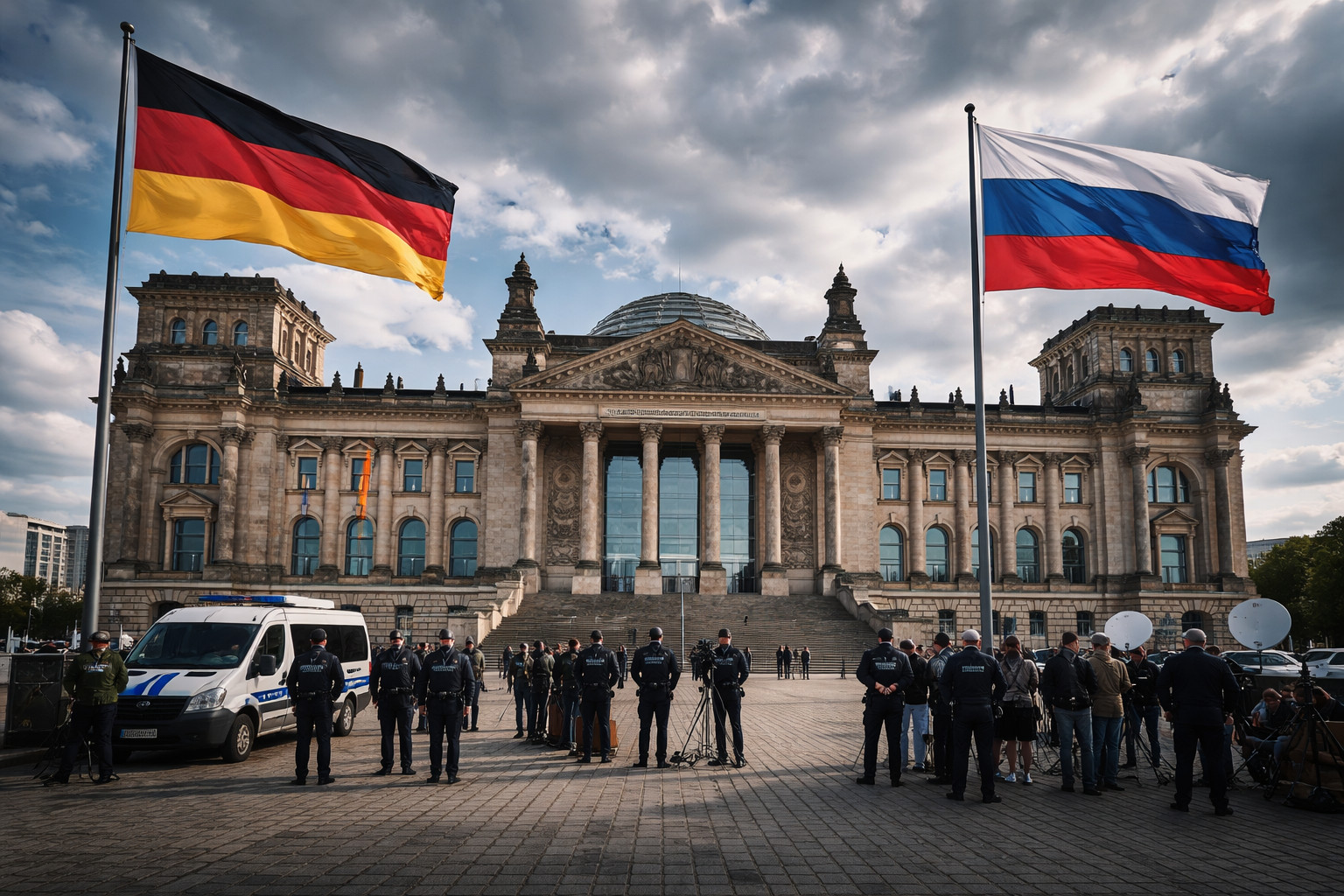
At the Berlin Security Conference on 19 November 2025, René Obermann, chairman of the board of Airbus Group, issued a stark warning: European countries must consider acquiring tactical nuclear weapons in response to the growing threat posed by Russia’s Iskander missiles deployed in Kaliningrad. As Reuters and ZN.ua reported, Obermann emphasised that these missiles — capable of carrying nuclear warheads — are positioned directly on the EU’s border and form the core of one of Moscow’s most explicit coercive tools.
Obermann described Europe’s vulnerability as its “Achilles’ heel”, pointing to more than 500 Russian tactical nuclear warheads associated with the Iskander-M system in Kaliningrad and the recent deployment of similar systems to Belarus. He argued that Germany, France, the UK and other European partners must build a joint, phased nuclear deterrence programme, including at the tactical level, to send a clear signal to Moscow that nuclear blackmail will not go unanswered.
The remarks carry additional weight given Airbus SE’s position as one of the world’s largest aerospace and defence companies — the leading global producer of passenger aircraft and the second-largest arms manufacturer in Europe. With 17% of its revenue coming from defence sales, Airbus plays a key role in Europe’s military-industrial ecosystem.
Strategic and industrial implications: space, defence innovation and Russian escalation
Obermann’s warning follows a speech he delivered weeks earlier at the Berlin Global Dialogue, where he urged Europe to rapidly strengthen its capabilities in electronic warfare, low-Earth-orbit satellites and nuclear deterrence. He criticised Europe’s structural dependence on U.S. military and space infrastructure, especially at a time when Washington acts increasingly on the basis of transactional interests. According to him, Europe must develop new forms of cooperation between governments and industry to accelerate innovation and regain strategic autonomy.
On space systems, Obermann stressed that Europe lags behind the launch programmes of the U.S., China and India — a gap that has forced heavy reliance on Elon Musk’s Starlink for critical communications. For both civilian and military purposes, he called for an independent European satellite network, highlighting ongoing partnerships between Airbus, Italy’s Leonardo and France’s Thales as building blocks for such a system.
Russia’s deployment of Iskander launchers near Kudryavtsevo, only 35 km from the Polish border, places much of Northern and Central Europe within strike range: Poland, Lithuania, Latvia, Estonia, Sweden and Germany all fall within the missile envelope. This posture aims to pressure NATO, project power during joint Russian-Belarusian exercises such as Zapad-2025, and undermine the Alliance’s regional stability.
The forward placement of nuclear-capable Iskanders in both Kaliningrad and Belarus introduces severe strategic risks. Missiles launched from Belarus can reach Kyiv, Zhytomyr, Rivne and other central Ukrainian cities, while strengthening Minsk’s military dependence on Moscow. Analysts warn that this configuration increases the likelihood of miscalculation or accidental escalation near NATO borders.