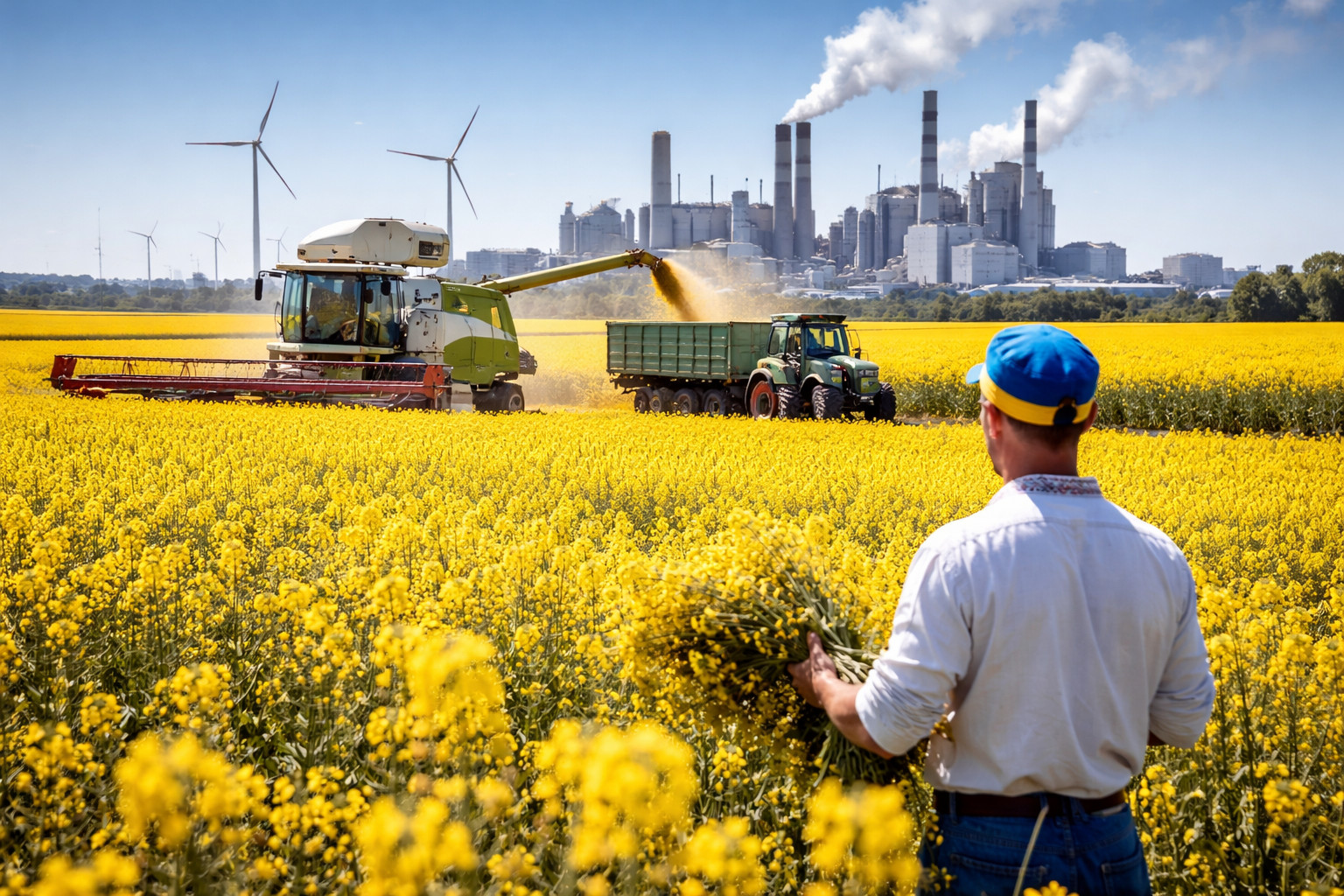
Brussels, October 16, 2025 — The European Union has significantly raised quotas for key food products from Ukraine, reshaping the European food market and contributing to its stability. According to UNIAN, the quotas for honey, sugar, skimmed milk powder, eggs, and poultry meat have been expanded. Tariff restrictions have also been fully lifted for some processed items, including mushrooms, fermented milk products, and other food preparations.
Record growth in Ukrainian export quotas
The quota for honey has surged from 6,000 to 35,000 tonnes, a 483% increase, while white sugar jumps from 20,000 to 100,000 tonnes (400%). Skimmed milk powder rises from 5,000 to 15,400 tonnes (208%), eggs from 6,000 to 18,000 tonnes (200%), and poultry meat from 90,000 to 120,000 tonnes (33%). Processed by-products such as bran, barley groats, and meal are also seeing substantial quota expansions, reflecting growing confidence in the quality of Ukrainian produce previously overlooked in European markets.
Impacts on European food supply and prices
The additional food imports are expected to increase market supply, potentially stabilizing or lowering consumer prices in the EU. Ukrainian competition encourages European agricultural producers to enhance efficiency, reduce costs, and invest in innovation to remain competitive. Lower-priced imports could also reduce household food expenditures, particularly for lower-income segments, while helping contain inflation in the food sector.
Strategic benefits and infrastructure development
Integrating Ukraine as a stable, large-scale supplier diminishes EU reliance on other sources amid climate and geopolitical risks. Ukraine’s fertile lands and agricultural capacity make it a key partner in securing food supply. Rising import volumes will drive modernization of transport corridors, ports, and processing infrastructure, generating employment and stimulating related sectors such as packaging, storage, logistics, and distribution networks.
Enhancing resilience and regional stability
Increased imports of honey, dairy, and eggs may offset seasonal or climate-induced fluctuations in European production. Overall, steady procurement of Ukrainian food strengthens EU food security against the backdrop of Russian hybrid threats. Supporting Ukraine’s economy through food trade also bolsters geopolitical stability in Eastern Europe.