Tallinn abandons ambiguity over response to hybrid threats
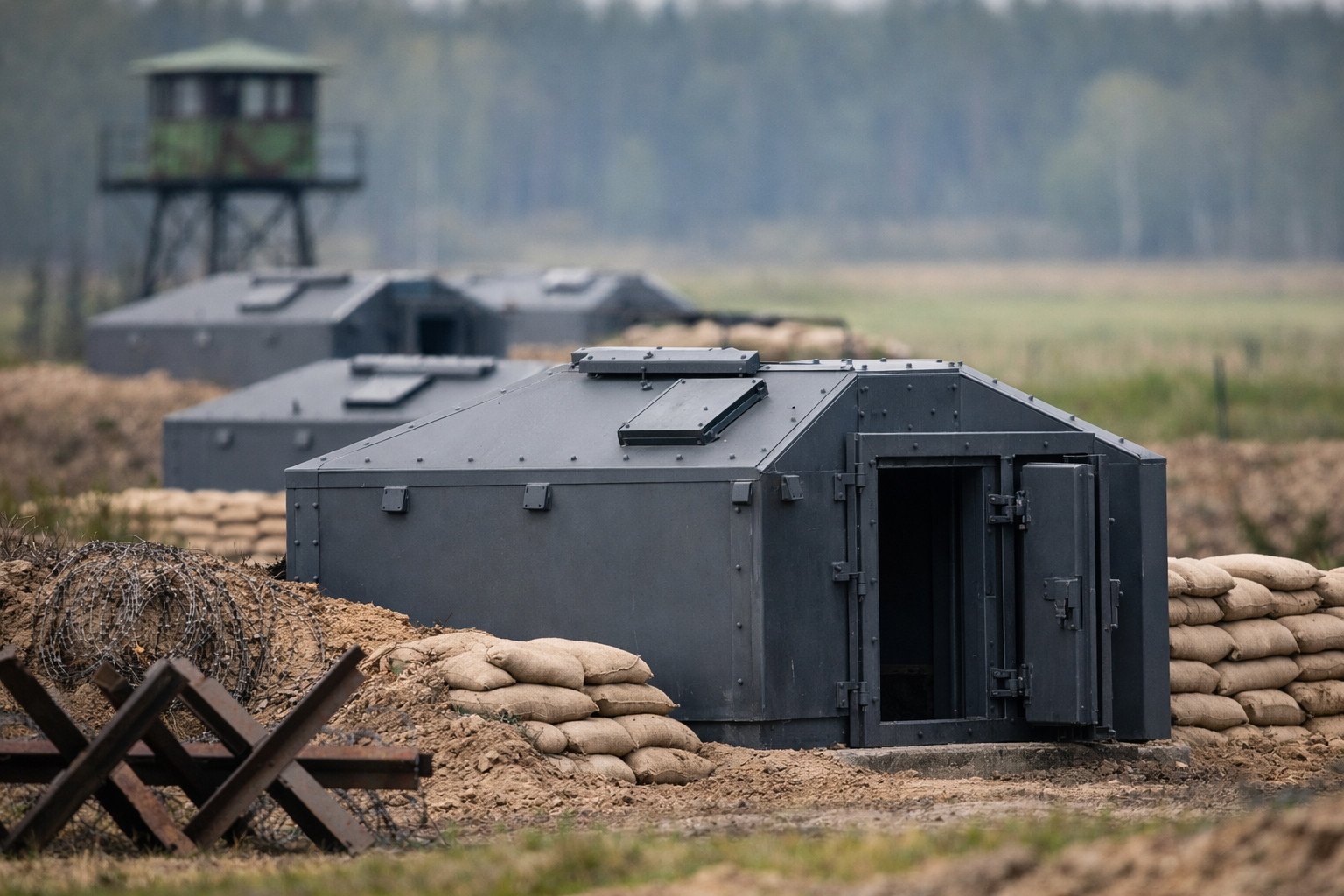
Estonia has issued one of its clearest deterrence signals yet to Moscow, warning that any form of covert or overt incursion across its border will be met with immediate force. On 24 December 2025, Estonian foreign minister Margus Tsahkna said in an interview reported by Onet that Estonia would open fire on Russian “little green men” if they crossed into its territory, leaving no room for strategic ambiguity.
Tsahkna stressed that Estonian security services are closely monitoring the border situation, particularly around the eastern city of Narva. The city is widely seen in Tallinn as the most likely focal point for any attempt by Russia to probe NATO’s resolve through hybrid tactics rather than open military action.
Narva highlighted as potential pressure point
The explicit reference to Narva reflects Estonian assessments of how Russia could seek to test NATO without triggering immediate large-scale escalation. The city’s proximity to the Russian border and its complex social and linguistic landscape have long featured in security planning scenarios in Tallinn.
By stating that any form of disguised or gradual penetration would be treated as outright aggression, Estonia aims to rule out the kind of incremental destabilisation tactics seen elsewhere in the past. Any local incident, under this approach, would immediately escalate into a state-to-state confrontation, raising the costs for Moscow at the planning stage.
Airspace violations framed as a red line
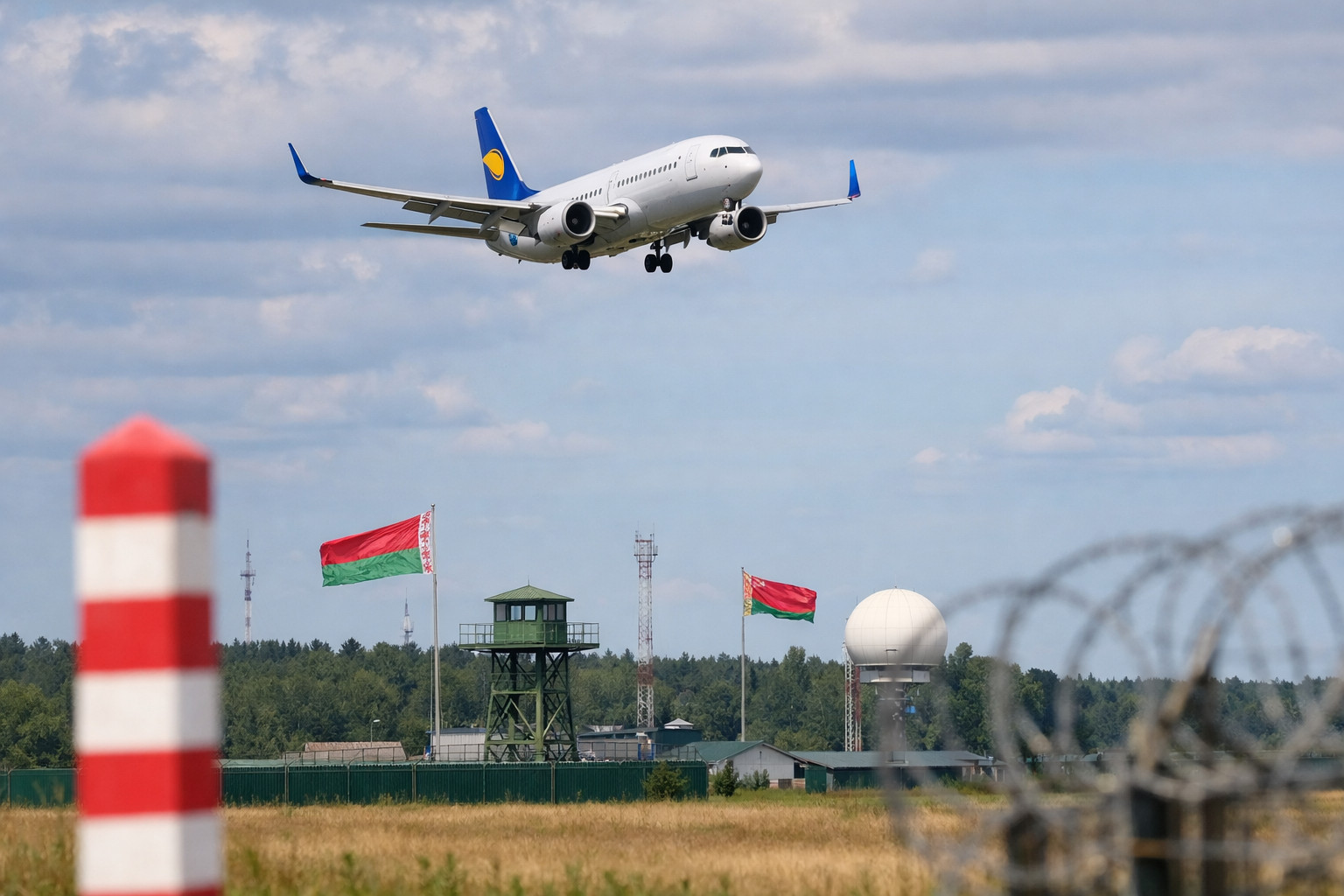
Tsahkna also extended this uncompromising stance to Estonia’s airspace, recalling recent incidents involving Russian military aircraft. He warned that if Russian fighter jets were deemed to pose a threat to national security, Estonia would be prepared to shoot them down, underlining that violations would no longer be treated as routine provocations.
The message is intended to reinforce the inviolability of NATO airspace and to reduce the scope for dangerous “reaction tests” by Russian forces. For allies, the clarity is designed to strengthen predictability within collective defence, while signalling to Moscow that aviation incidents carry real escalation risks.
Border incidents prompt reassessment of threat level
The warning comes amid a series of concrete incidents along the Estonian-Russian border. On 18 December 2025, Estonia summoned Russia’s chargé d’affaires after three Russian border guards crossed the control line on the Narva river using a hovercraft. Tallinn is now considering a reassessment of the overall threat level, including the possible closure of the border.
Earlier, on 9 September 2025, three Russian MiG-31 fighter jets entered Estonian airspace without authorisation and remained there for a total of 12 minutes. Estonian leaders argue that such actions are designed to gather intelligence, test political resolve and exert psychological pressure without crossing the threshold of open conflict.
Deterrence shaped by lessons from Ukraine
Estonian officials increasingly frame their security posture through the lens of Russia’s war against Ukraine, arguing that it has dismantled any remaining belief in diplomatic restraint from the Kremlin. Prime minister Kristen Michal has previously described Russia as a serious threat to any “sensible country”, warning that Europe is only beginning to rebuild its defence capacity.
For Estonia and its Baltic and Polish neighbours, all of which share borders with Russia, the credibility of NATO deterrence on the eastern flank is viewed as existential. By making its red lines explicit, Tallinn seeks to strengthen collective deterrence and deny Moscow the opportunity to exploit grey zones or internal divisions within the alliance.