Estonia’s Internal Security Service (Kaitsepolitseiamet, KaPo) has detained pro-Kremlin blogger Oleg Besedin on suspicion of non-violent activity directed against the Estonian Republic and violating international sanctions, according to the State Prosecutor’s Office. KaPo deputy director Taavi Narits said the agency had long warned about threats linked to Besedin’s activities, noting there was now reason to suspect him of a state crime, Postimees reported.
Alleged collaboration with Russian intelligence
Investigators suspect that since 2022, Besedin cooperated with individuals acting in the interests of Russian intelligence services, participating in information operations that aimed to enable Moscow to interfere in Estonia’s internal affairs. Authorities say he repeatedly disseminated content from Russian media channels under EU sanctions, which qualifies as a violation of EU restrictive measures. Chief State Prosecutor Taavi Pern emphasized that even non-violent acts undermining Estonia’s independence or sovereignty are treated as crimes against the state.
Russian disinformation networks in Estonia
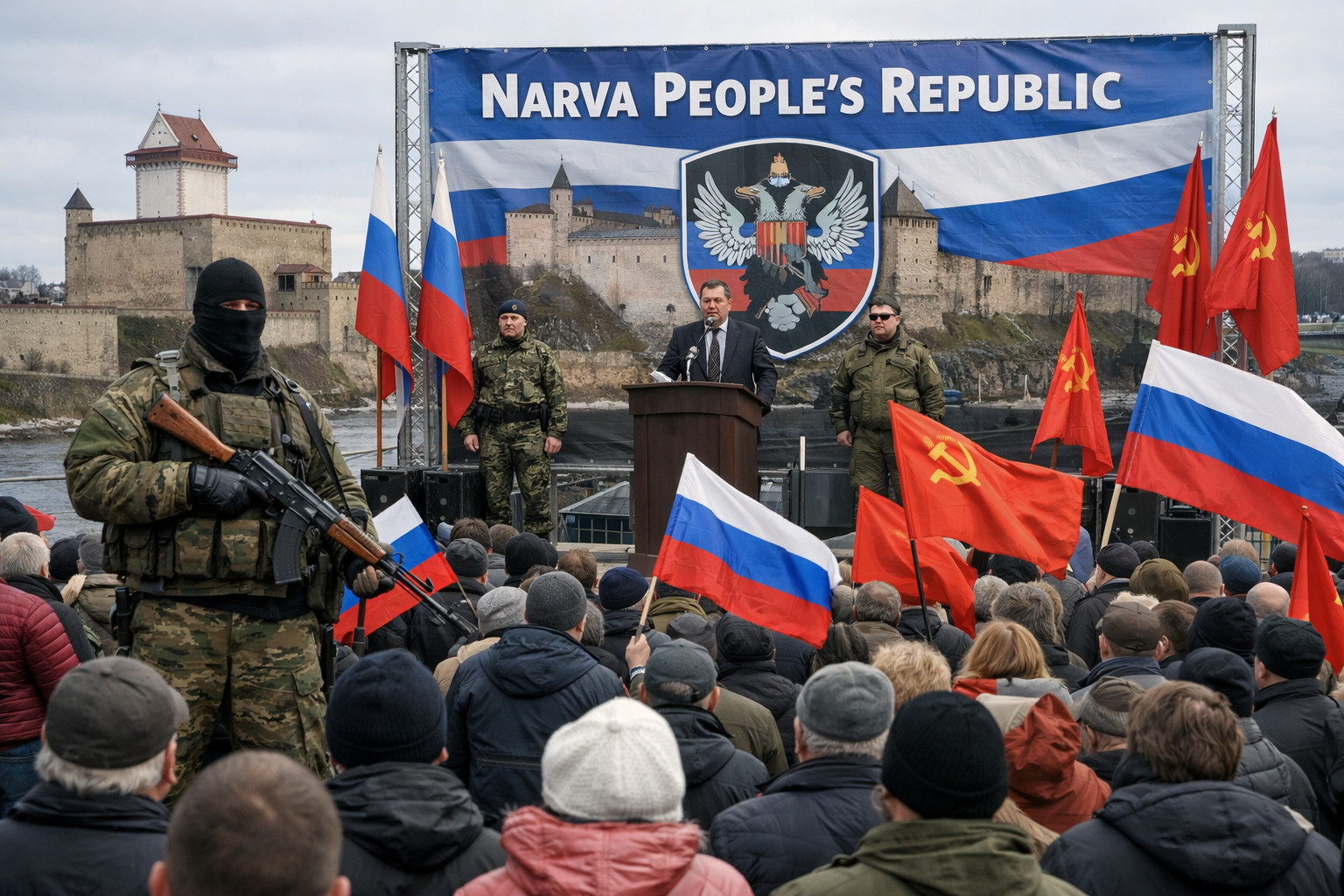
Estonia has long viewed Kremlin-linked propaganda and influence operations as part of Moscow’s broader hybrid warfare strategy. Russia reportedly seeks to weaken trust in Estonia’s EU and NATO allies by targeting the country’s Russian-speaking minority with disinformation, political manipulation, and online influence campaigns. Through figures like Besedin, Russian intelligence allegedly amplifies anti-Western and anti-Ukrainian narratives disguised as “alternative viewpoints.”
Broader context of Kremlin’s influence strategy
Since Russia’s full-scale invasion of Ukraine, the Baltic states have faced intensified Russian information warfare, cyber espionage, and political subversion. Moscow’s goal is to test the resilience of NATO’s eastern flank and erode European unity. Pro-Kremlin groups such as the Estonian party Koos have served as local amplifiers of Russian narratives under the guise of domestic politics. KaPo’s annual reports have repeatedly identified Besedin as a key propaganda actor working to discredit European institutions and undermine support for Ukraine.
Estonia’s countermeasures
Estonia’s security agencies continue to expose and dismantle pro-Kremlin networks, regularly publishing findings on individuals connected to Russian operations to strengthen public awareness and national resilience. The arrest of Besedin underscores Estonia’s firm stance against hybrid threats and the Kremlin’s attempts to exploit the country’s information space for strategic gain.