On January 23, 2026, new information revealed that Russia has shifted recruitment efforts for its drone assembly facilities in Tatarstan from Africa toward South and Central America. The campaign targets young women for work in the Alabuga special economic zone, where drones used in the war against Ukraine are assembled. The primary recruitment channel is the so-called Alabuga Start program, officially presented as an international career opportunity.
After earlier exposure of large-scale recruitment in Africa, Russian intermediaries expanded operations into Latin America, using aggressive digital marketing tactics. Targeted advertising on TikTok and Instagram, including AI-generated promotional videos, portrays Russia as a benevolent partner of the “Global South.” Local influencers and self-styled “ambassadors” promote the scheme as a gateway to education, stable employment, and professional growth.
Promises versus reality on the factory floor
Testimonies from program participants indicate that up to 90% of recruits are assigned to drone assembly plants rather than the hospitality or service-sector jobs promised during recruitment. Many women report receiving only a fraction of the advertised $500 monthly salary after deductions for accommodation, language courses, and so-called administrative penalties, leaving some with barely one-sixth of the promised income.
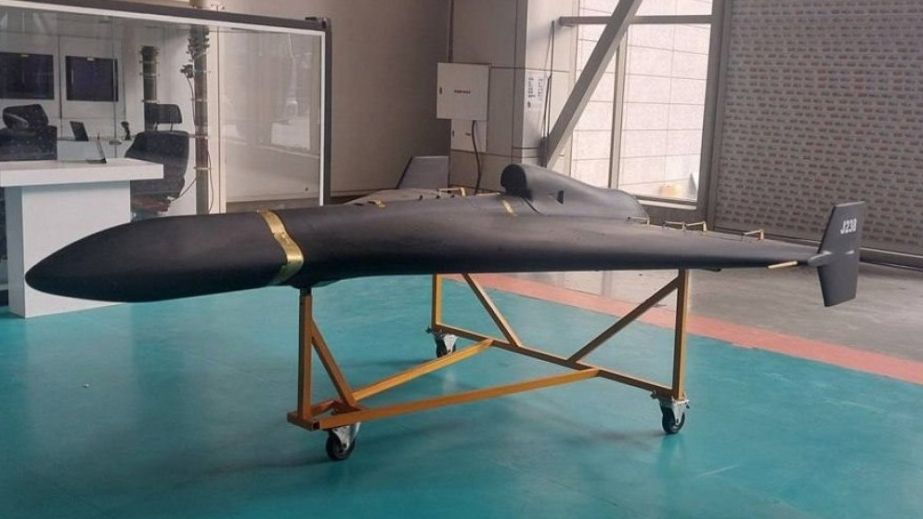
Working conditions described by participants include 12-hour shifts, constant surveillance, and exposure to hazardous chemicals without adequate protection. The drones assembled at Alabuga include Geran-2 systems, the Russian-produced version of Iranian Shahed-136 loitering munitions widely used against Ukrainian cities and infrastructure.
Human trafficking indicators and expert assessments
Analysts from the Foundation for Defense of Democracies have warned that Alabuga Start exhibits core elements of human trafficking under international definitions. These include deception regarding working conditions, exploitation of economic vulnerability, and the creation of financial barriers that make it difficult or impossible for workers to leave the program.
Recruitment practices in Latin America mirror earlier operations in African countries such as Uganda, Ethiopia, Nigeria, Kenya, Rwanda, South Africa, and Botswana. In those cases, international scrutiny led to investigations, including an Interpol review in Botswana and probes launched by South African authorities into Russian-linked recruitment networks operating under BRICS-related structures.
A labor pipeline for Russia’s military industry
Experts link the expansion of foreign recruitment to Russia’s deepening demographic crisis, exacerbated by heavy wartime casualties and outward migration. As the economy shifts further toward military production, authorities face a structural labor shortage in key defense sectors. Recruiting young, economically vulnerable foreign women has become a cost-effective way to keep weapons production running at scale.
At the same time, Russia continues to recruit women from Central Asia and other post-Soviet states through parallel channels, including Telegram-based outreach tied to educational institutions. This access significantly increases the risk of exploitation by blurring the line between education, employment, and coerced labor.
Military relevance and international response
The Alabuga zone is openly integrated into Russia’s defense-industrial supply chains. In mid-2025, Russian state military broadcaster Zvezda publicly acknowledged serial production of Geran drones at the site, undermining claims that Alabuga Start is a civilian or educational initiative. Because of its direct role in sustaining Russia’s war effort, the facility has been repeatedly targeted by Ukrainian drones as part of self-defense operations against military infrastructure.
Investigative reporting detailing these practices was published by Krym.Realii. Analysts argue that governments in Latin America, Africa, and Central Asia should move to block Alabuga’s recruitment advertising, while the EU and the United States should impose targeted sanctions on individuals and companies involved in recruiting, financing, and exploiting foreign labor for Russia’s military-industrial complex.