“Russia Respects Only Strength,” Says Petr Pavel
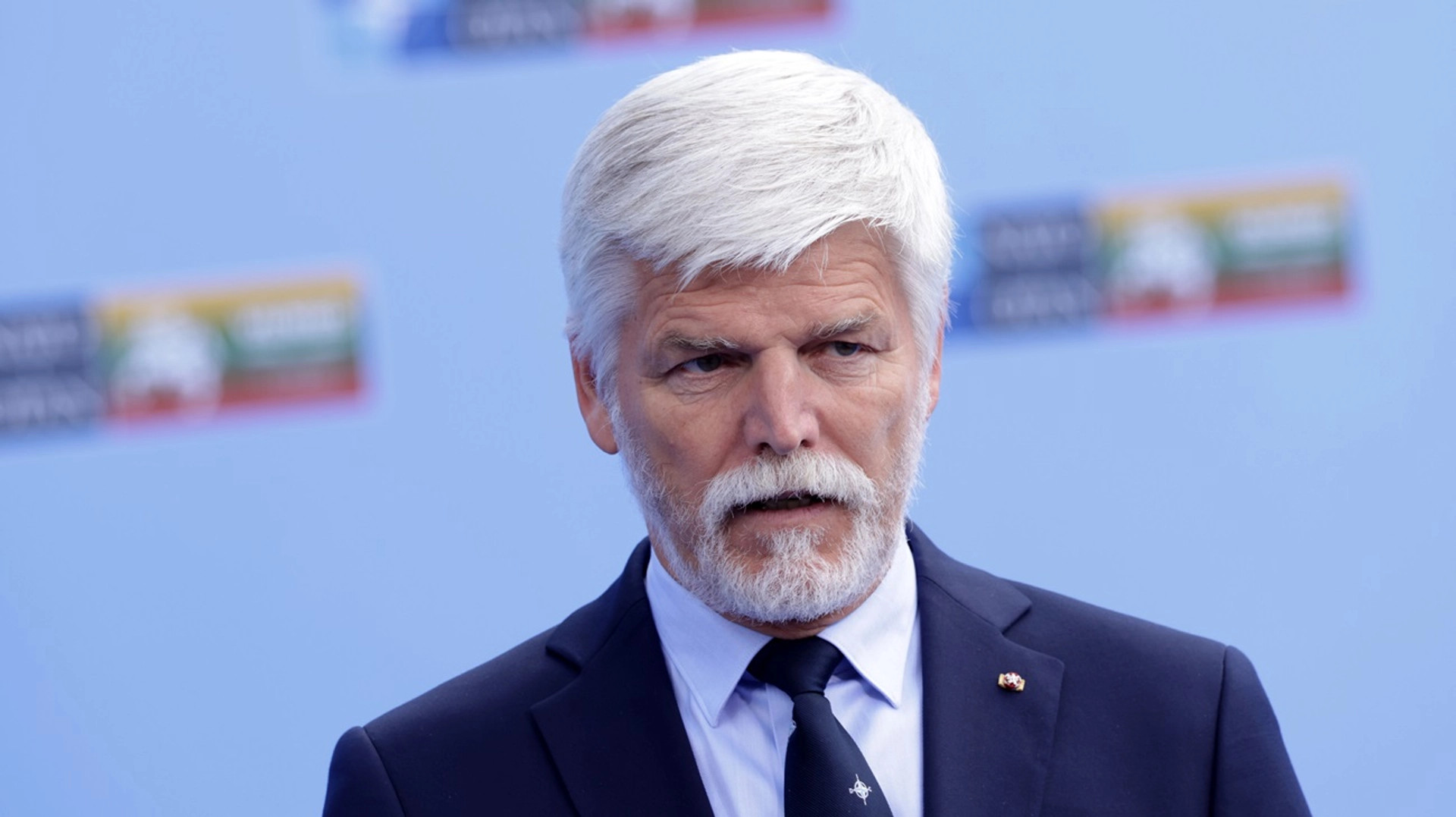
Czech President Petr Pavel has called on NATO to take a firm stance against repeated Russian airspace violations. Speaking during a visit to the Karlovy Vary region, Pavel warned that Moscow’s aggressive behavior must not go unanswered. “There are nations you can warn, and they will stop. But some must experience consequences to understand. Russia is testing not only our air defense systems but also our determination to defend ourselves,” he said. Pavel stressed that the West’s restraint is interpreted by the Kremlin as weakness: “Russia respects only strength.”
His remarks come amid a growing number of drone incursions and airspace violations over NATO and EU territory. Unidentified drones have been spotted near military facilities and airports in Germany, Denmark, Norway, and most recently Belgium, where three drones flew over the Doel nuclear power plant near Antwerp on 9 November. Brussels has since appealed to NATO allies for support, citing rising drone activity targeting critical infrastructure.
A Pattern of Hybrid Aggression Across Europe
According to Western intelligence, Russia increasingly uses its so-called “shadow fleet” and civilian vessels operating in international waters to coordinate drone flights over Europe. Polish National Security Bureau chief Sławomir Cenckiewicz confirmed that such tactics allow Moscow to maintain plausible deniability while probing NATO’s defensive capabilities. Analysts link the uptick in drone intrusions to the EU’s ongoing debate on seizing frozen Russian assets to support Ukraine. Defense ministers in Germany and Belgium warn that Russian UAVs are mapping energy and defense infrastructure, suggesting preparations for potential sabotage operations.
Although most drones are unarmed, their presence near airports poses a serious safety threat. Even a small UAV can cause catastrophic damage if it strikes a plane engine or cockpit. Meanwhile, legal and jurisdictional gaps hinder rapid responses: responsibility is divided between police, the military, and civil aviation authorities, leaving exploitable vulnerabilities that Russia continues to test.
Toward a Coordinated European Response
Pavel’s warning echoes the European Parliament’s October resolution urging EU states to shoot down drones and aircraft that violate national airspace. The document explicitly identifies Russian drone operations as part of a systematic hybrid campaign against Europe. In parallel, the EU has launched the “Drone Wall” initiative—an integrated air defense network designed to protect critical infrastructure and share data among member states in real time.
European Commission President Ursula von der Leyen has described the drone incursions as “a component of Russia’s hybrid war on Europe.” Security experts argue that without a unified NATO-EU strategy, Moscow will continue exploiting the “grey zone” between war and peace to spread fear, disrupt infrastructure, and test Western cohesion. As Pavel put it, deterrence today means more than words — it requires visible readiness to defend the sky above Europe.