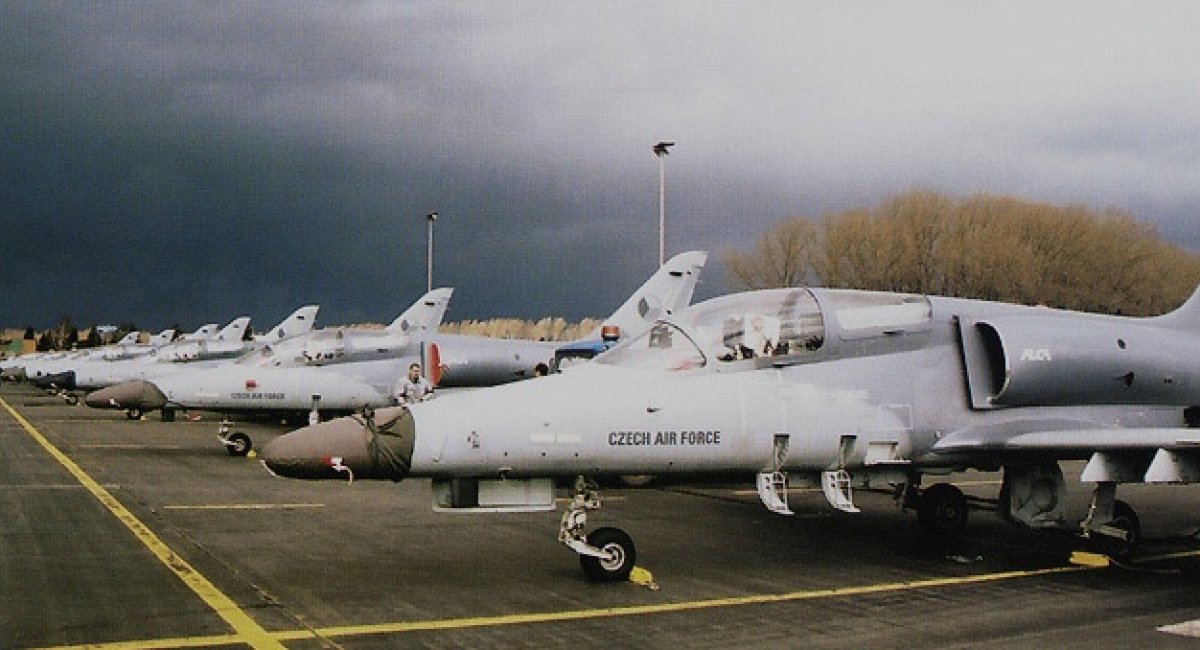
An internal dispute within the Czech government has reportedly led to a decision not to supply Ukraine with L-159 light attack aircraft, exposing how domestic political tensions can spill over into foreign and security policy. Media reports on 27 January indicated that the move is linked to a clash between President Petr Pavel and members of the governing coalition over a disputed ministerial appointment, rather than to technical or strategic considerations related to the aircraft themselves.
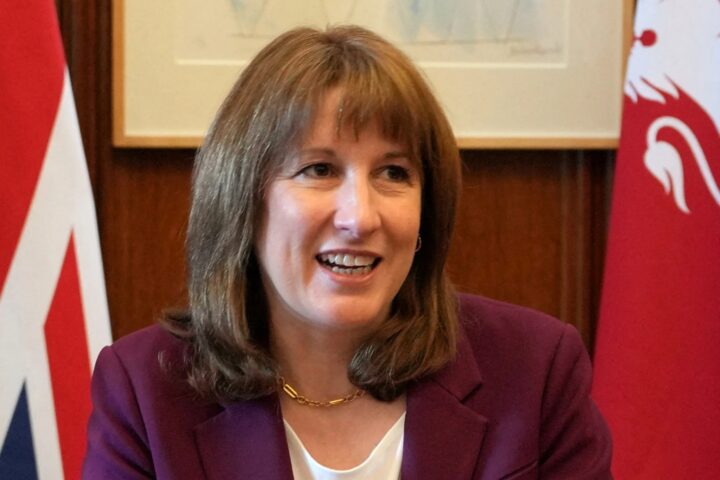
The controversy centres on President Pavel’s refusal to appoint Filip Turek, leader of the junior coalition party Motoristé, as environment minister. Foreign Minister Petr Macinka, a member of the same party, suggested in private messages later made public that the aircraft issue became untenable after Pavel spoke about it to the media. Those messages, released by the presidential administration, were reported by Czech outlet iDNES.cz in coverage of the published exchanges between Macinka and the president’s office.
Messages raise accusations of pressure and retaliation
In the disclosed communication, Macinka implied that he could previously have persuaded sceptical political actors to back the transfer of L-159 jets, but that media attention had closed that option. President Pavel described the tone of the messages as an attempt at intimidation linked to pressure to approve Turek’s appointment. The foreign minister rejected claims of blackmail, while Prime Minister Andrej Babiš characterised the episode as an unfortunate formulation rather than coercion.
The dispute has triggered wider political fallout. Opposition parties have called for Macinka’s resignation, while the president has reiterated his refusal to appoint Turek, citing past investigations and allegations involving extremist and discriminatory statements, as well as accusations of domestic abuse. Shortly after the controversy became public, government officials confirmed that the sale or transfer of L-159 aircraft to Ukraine was no longer being considered.
Defence policy drawn into coalition conflict
The episode highlights a broader strain within the Czech coalition, particularly involving parties with eurosceptic and Ukraine-sceptical positions. Motoristé has criticised EU climate policy and expressed reservations about extensive military support for Kyiv, while other actors in parliament have openly opposed sanctions on Russia and military aid to Ukraine. Against this backdrop, the aircraft decision has been interpreted by critics as part of a wider pattern of politicising security assistance.
Security analysts note that the L-159, designed for low-intensity combat and air policing, could have played a role in countering drones and cruise missiles, tasks that do not require high-end fighter jets. Its suitability for tracking slow-moving targets has been cited as a practical advantage for strengthening Ukraine’s air defence at lower operational cost.
Broader implications for European support
The standoff has fuelled concern that internal political bargaining in EU states can delay or derail decisions critical to Ukraine’s defence. By tying military assistance to unrelated domestic disputes, governments risk setting a precedent in which security policy becomes a tool of political leverage. Observers warn that such delays objectively benefit Russia by prolonging vulnerabilities in Ukraine’s air defences and by highlighting divisions within European democracies.
For Kyiv’s partners, the Czech case underscores the fragility of political consensus even in countries that have previously been among Ukraine’s strongest supporters. It also raises questions about how resilient European solidarity will remain as domestic pressures, populist narratives and coalition politics increasingly intersect with decisions on military aid.