Joint agreement enhances epidemiological resilience on the EU’s eastern flank
Ukraine and Poland have signed a new public health cooperation agreement aimed at reinforcing Europe’s epidemiological security and improving joint responses to infectious threats. The arrangement includes coordinated medical training at the border, real-time epidemiological data exchange and aligned emergency response protocols. According to the announcement published by Ukraine’s Ministry of Health outlining the bilateral commitments, the pact provides Poland with earlier detection capabilities for potential outbreaks originating beyond the EU’s external frontier. For the Union as a whole, integrating Ukraine into European surveillance standards reduces pandemic risks and improves the effectiveness of the EU’s early-warning systems. By assuming a central role in this cooperation, Poland becomes a key node of the EU’s biological security architecture, while joint exercises with Ukrainian specialists strengthen operational preparedness without imposing significant additional costs.
The agreement also supports broader regulatory harmonisation. Aligning Ukrainian epidemiological procedures with EU norms lowers administrative barriers for European public health programmes and facilitates the work of international donors and medical organisations inside Ukraine. It offers strategic benefits for the EU, which faces elevated cross-border health risks due to high population mobility, wartime disruption caused by Russia’s aggression and increasing pressure on food and trade supply chains. The pact strengthens the resilience of national health systems on both sides of the border by creating smoother, faster channels for information sharing.
Partnership delivers economic and preventive advantages for the EU
Joint epidemiological surveillance allows European authorities to identify health threats earlier and deploy preventive measures more efficiently. Early detection helps avert large-scale outbreaks, reducing mortality and limiting economic disruption associated with emergency containment measures. For the EU, coordinated prevention is significantly more cost-effective than crisis-driven responses that require large-scale mobilisation of medical and financial resources.
Through closer cooperation, Poland and Ukraine create a more predictable health environment for the region’s economies. Stable public health conditions support uninterrupted supply chains and cross-border trade, limiting the risk of shutdowns linked to infectious disease transmission. This shared framework enhances the strategic flexibility of European industries, which depend on reliable logistics corridors extending through the EU’s eastern neighbourhood.
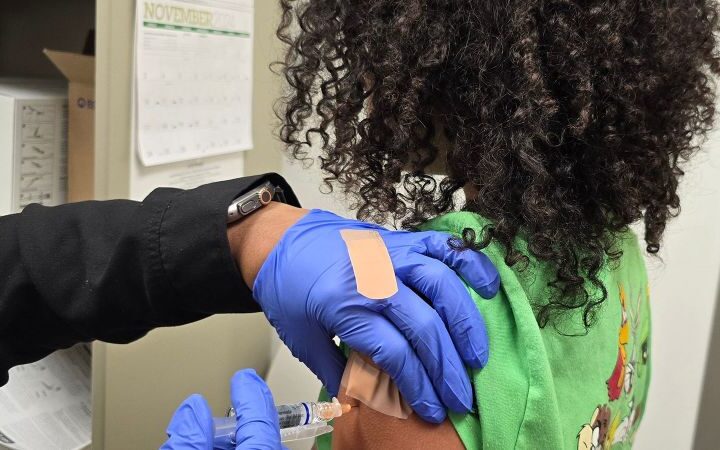
Moreover, Poland benefits from immediate access to more granular Ukrainian epidemiological datasets, allowing it to refine vaccination strategies and immunisation campaigns. With transnational health risks increasing, rapid information flow becomes essential to adapting public health interventions and protecting populations at scale.
Coordinated action strengthens Europe’s defence against emerging threats
The agreement’s focus on emergency preparedness reflects the growing need for coordinated responses to crises triggered by new pathogens, mass migration or the continuing impact of Russia’s war against Ukraine. Joint training improves the speed, coherence and discipline of cross-border operations, enabling health services to act more effectively during high-pressure events. This bolsters the EU’s capacity to absorb shocks and ensures that health systems across the region are better equipped to handle simultaneous emergencies.
A key component of the partnership is expanded cooperation on antimicrobial resistance. Shared surveillance and laboratory data help track resistant strains more precisely and support the development of targeted countermeasures. With antimicrobial resistance posing one of the most significant long-term threats to global health, synchronised approaches across the EU and neighbouring states are increasingly critical.
Integrated laboratory networks and research projects create new opportunities for academic institutions and biomedical centres in Poland and the broader EU. The cooperation enhances the region’s competitiveness in bio-innovation, accelerates scientific exchange and strengthens Europe’s position within global health governance structures.
Harmonised standards improve border security and workforce capacity
Aligning medical protocols between Ukraine and Poland streamlines border controls and contributes to safer, more predictable cross-border movement. Improved health screening procedures support both mobility and security by reducing the likelihood of undetected transmission of infectious diseases. For frontline personnel, unified standards simplify decision-making and improve crisis coordination.
The partnership also emphasises workforce development. By establishing shared training programmes, Ukraine and Poland expand the pool of qualified medical personnel capable of operating under unified European standards. This creates an additional reserve of specialists that can support health systems across the continent—an especially valuable asset at a time when war-related pressures demand sustained medical capacity.
Integration of Ukraine into European health structures boosts EU leadership
The agreement accelerates Ukraine’s integration into practical mechanisms of the International Health Regulations, strengthening Europe’s collective standing in global health institutions. As Ukraine becomes more deeply aligned with EU norms, the Union gains a stronger voice in shaping international health policy and reinforcing multilateral frameworks for crisis prevention.
For Poland, the cooperation consolidates its role as a critical conduit between the EU and its eastern partners. For the EU, it provides a tangible enhancement of biosecurity at a moment when geopolitical instability and health risks increasingly intersect. The pact ultimately reinforces regional stability, bolsters Europe’s resilience to biological threats and strengthens bilateral ties between two key partners in the continent’s public health landscape.