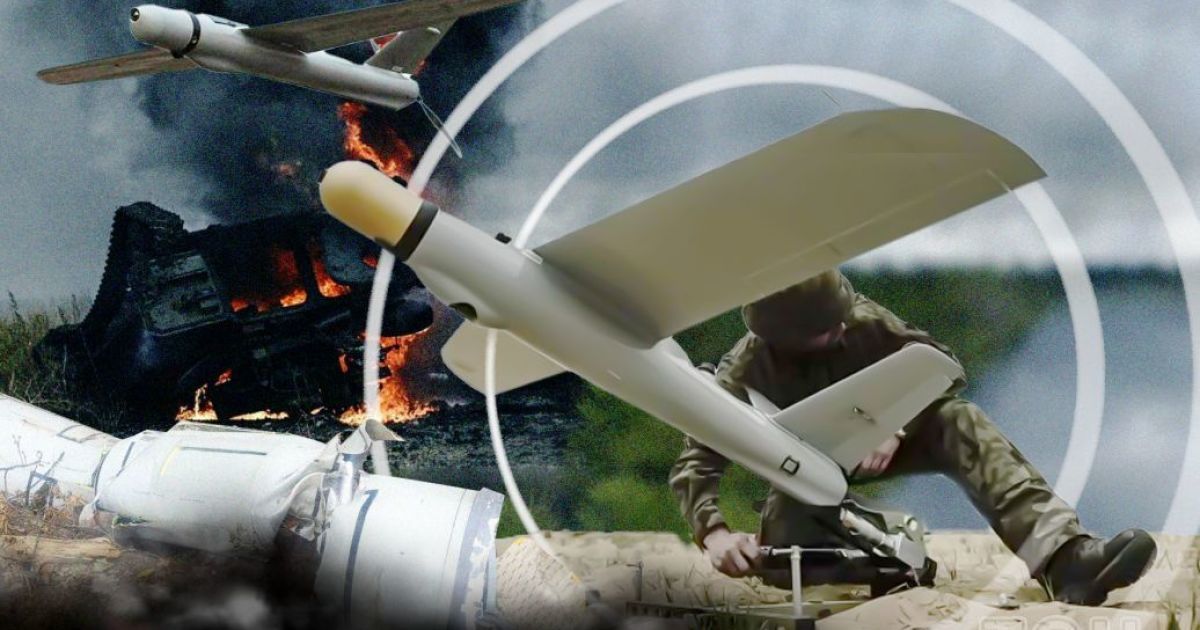
Combat-proven Ukrainian unmanned aerial systems are emerging as a practical resource for European defence and law-enforcement agencies, following their presentation at major international arms exhibitions in early 2026. Ukrainian manufacturers showcased a broad range of reconnaissance, strike and interceptor drones at UMEX 2026 in Abu Dhabi, giving European delegations direct insight into systems designed and refined during real combat operations against Russia. This exposure has accelerated talks and agreements between European governments and Ukraine’s defence industry, as buyers seek rapidly deployable solutions rather than long-cycle development programmes.
The appeal lies in operational credibility. Ukrainian drones have been tested under sustained battlefield pressure, including electronic warfare, air defence saturation and cost-sensitive mass deployment. For European states reassessing their own force structures, these systems offer immediate relevance rather than theoretical capability, as detailed in reporting on Ukrainian drone systems presented at UMEX 2026.
Poland focuses on air defence and drone interception
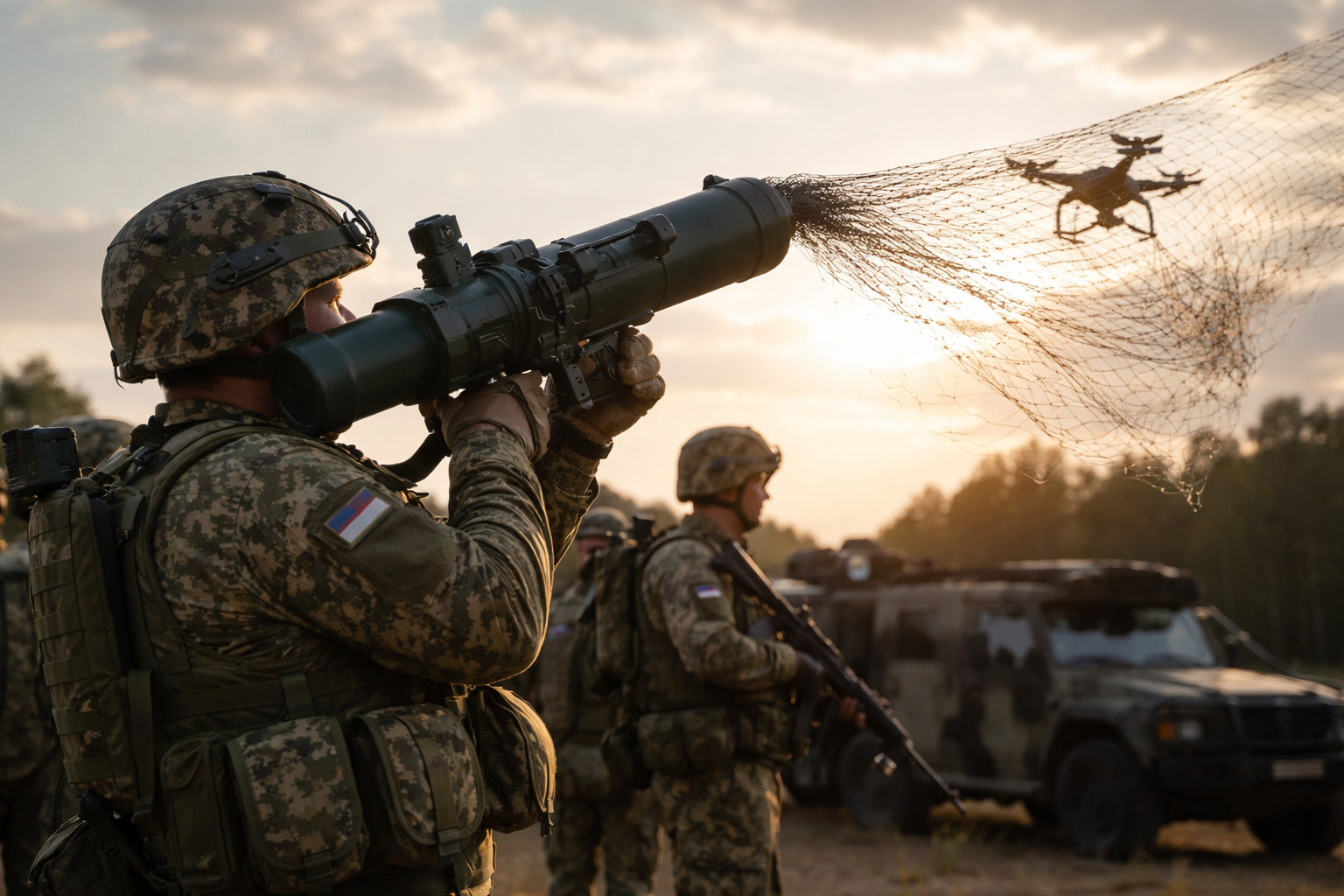
For Poland, the primary interest is air defence. Warsaw faces growing concern over low-cost attack drones and loitering munitions similar to those used extensively by Russia. Ukrainian interceptor and counter-UAV technologies, already adapted to this threat environment, are viewed as a way to strengthen layered air defence without relying solely on expensive missile systems. Polish defence planners see these drones as force multipliers that can reduce costs while increasing resilience against saturation attacks.
The cooperation also supports Poland’s broader goal of rapidly expanding defence capacity using systems that can be integrated quickly into existing command-and-control structures, rather than waiting for next-generation platforms still under development.
Slovenia explores military and law-enforcement uses
Slovenia has taken a broader view, examining Ukrainian drones not only for military tasks but also for civilian and law-enforcement applications. Border surveillance, critical infrastructure protection and disaster response were identified as areas where combat-tested UAVs could be adapted for domestic security roles. This dual-use potential underscores the flexibility of Ukrainian designs and opens additional channels of cooperation beyond traditional defence procurement.
Such interest reflects a wider European trend: leveraging military-derived technologies to enhance internal security capabilities without duplicating development efforts across agencies.
United Kingdom deepens industrial cooperation
The United Kingdom has already moved beyond procurement into joint production with Ukrainian partners. British and Ukrainian firms are cooperating on manufacturing and adaptation of UAVs to meet NATO standards, embedding Ukrainian battlefield experience into European industrial processes. This model shortens feedback loops between operational use and production, an advantage increasingly valued by NATO members.
One system drawing particular attention is the PD-2 VTOL drone, capable of vertical take-off and landing. Its suitability for maritime and coastal operations makes it relevant for European navies and coast guards seeking enhanced situational awareness in the Baltic, North Sea, Black Sea and Mediterranean.
Strategic implications for Europe
Beyond individual contracts, cooperation with Ukraine’s defence industry is contributing to Europe’s strategic autonomy. By integrating Ukrainian UAV technologies, European states diversify away from reliance on a narrow set of traditional arms suppliers and gain access to systems shaped by high-intensity warfare. Joint projects also facilitate standardisation and interoperability within NATO frameworks, easing logistics and maintenance across allied forces.
In the longer term, sustained interest in Ukrainian drones is likely to translate into investment, local production within the EU and the creation of skilled jobs. For Europe, the value is not only in acquiring effective platforms, but in absorbing operational know-how that accelerates adaptation to modern security threats.