Chechen nationalist rebrands as German right-wing politician
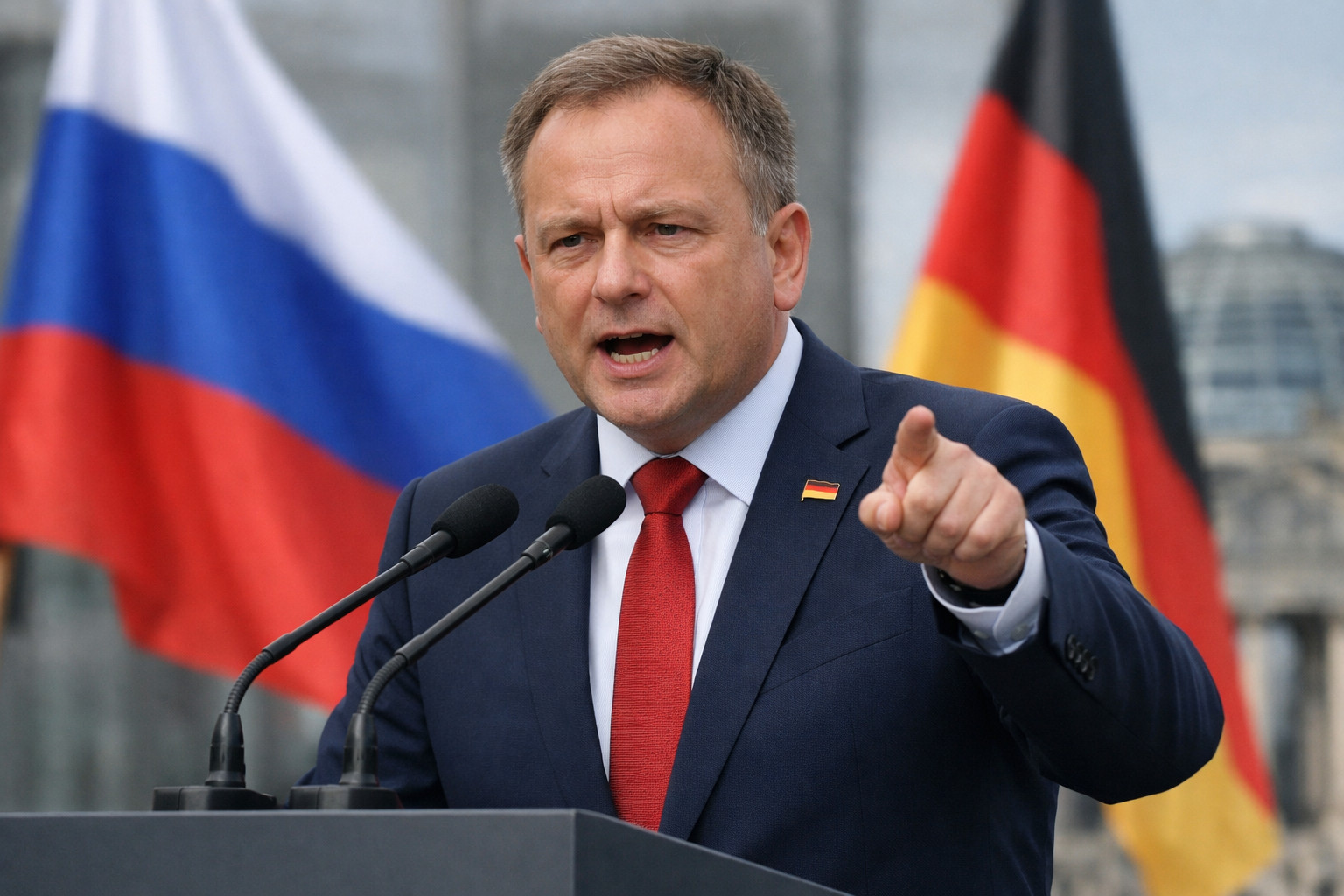
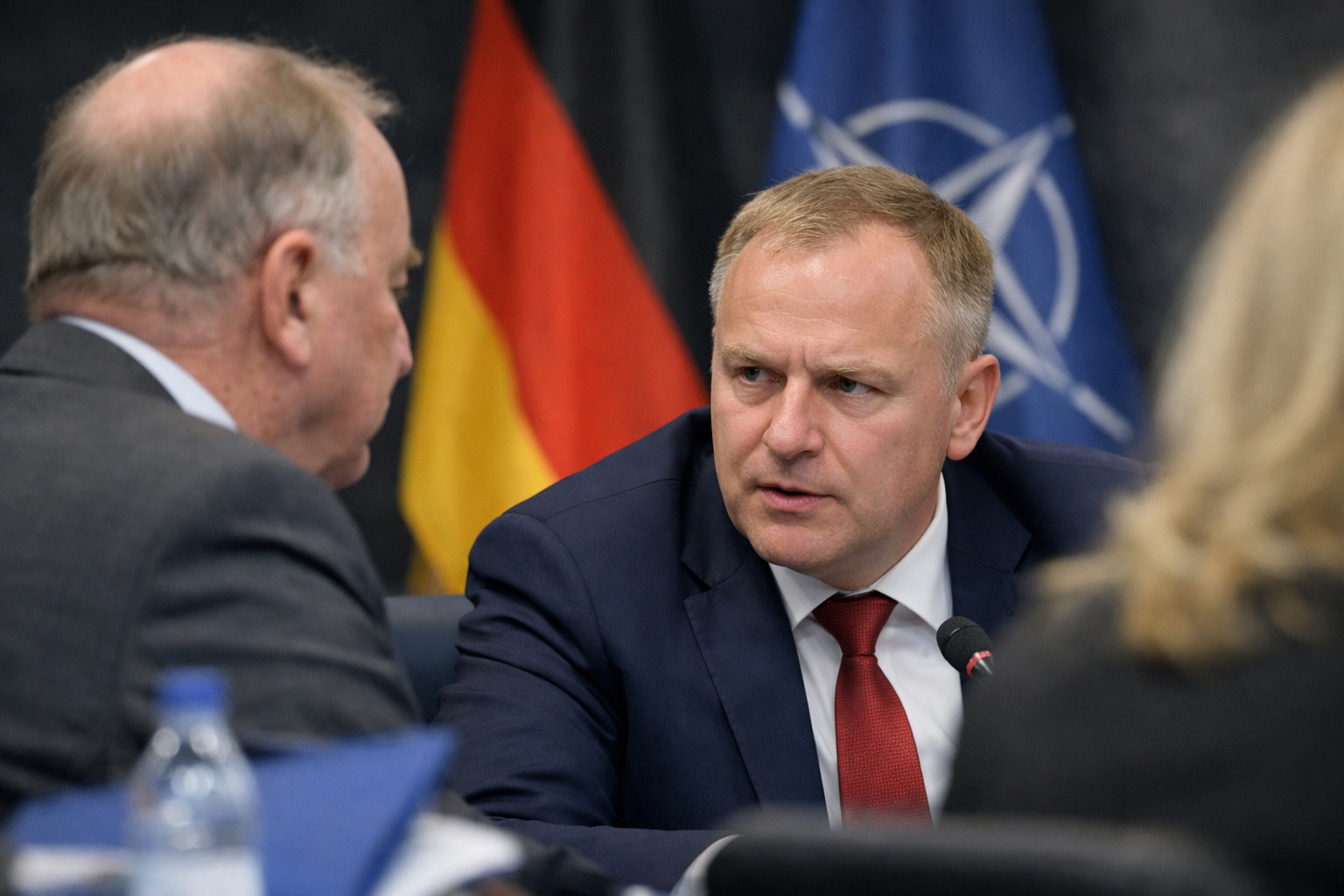
A joint investigation by Vazhnyye Istorii and Correctiv has uncovered extensive ties between Alternative für Deutschland (AfD) politician Noah Krieger and figures linked to Ramzan Kadyrov’s power structure. Krieger — whose real name is Murad Dadaev — is the first Chechen to enter German politics and has rapidly built an online following while publicly praising Russia and Vladimir Putin. According to the findings detailed in the cross-border investigation mapping Dadaev’s emergence as a political actor, his ideological positioning and anti-immigration rhetoric have drawn criticism from security analysts concerned about foreign influence within extremist movements.
Investigators report that Chechen networks in Europe are undergoing a restructuring process under the leadership of Kadyrov associate Husein Agayev. Members of the diaspora believe Dadaev plays a meaningful role within these realignments. The Chechen human rights organisation “Vayfond” in Sweden is convinced that Dadaev’s relocation to Germany was part of a deliberate strategy orchestrated by Kadyrov’s circle. Correctiv’s reporting provides additional detail on how Dadaev’s activities intersect with AfD structures and Chechen influence channels, as shown in the German investigation documenting his political alliances.
Rapid political ascent accompanied by opaque business operations
Dadaev joined AfD slightly more than a year ago but rose to prominence only this summer, amassing more than 435,000 Instagram followers. His family background has raised concerns: his brother Suleiman Dadaev was implicated in the high-profile 2009 assassination of Umar Israilov in Vienna, a killing carried out by individuals linked to Kadyrov’s entourage.
In 2020, Dadaev established a company in Hanover under the brand DMS, which he claims includes an aesthetic medicine clinic, a construction firm, a legal consultancy for motorists and a 19th-century villa used as a rental property. Yet the company reported losses exceeding €200,000 in 2023, and real-estate agents estimate that the villa’s rent could cost €17,000–25,000 per month, excluding utilities. The discrepancy between declared income and operational expenses has raised questions about external funding and the real purpose of these businesses.
The villa has become a gathering point for AfD members, as well as for individuals connected to Chechen security circles. Among its frequent visitors are Said-Magomed Ibragimov, a bodyguard to senior Kadyrov allies Abuzayd Vismuradov and Magomed Daudov. Dadaev’s political network includes senior AfD Bundestag figures and prominent personalities within Germany’s far-right scene. Some of his “clients” reportedly include members of diverse ethnic criminal groups operating across Europe, reinforcing concerns about the role of the property as a venue for clandestine coordination.
Kadyrov-linked structures gain access to European politics
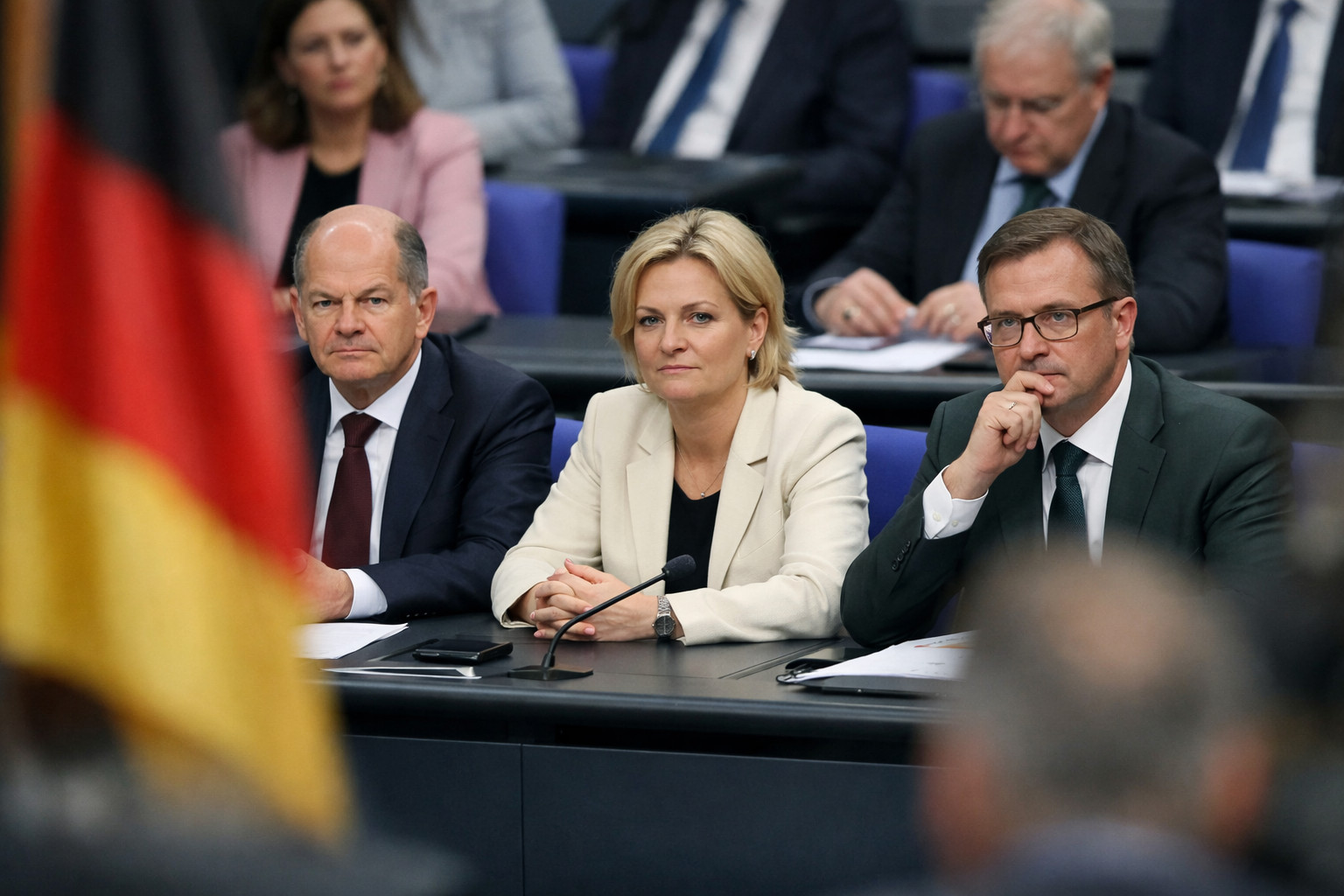
AfD has become Germany’s largest opposition force and maintains openly pro-Russian positions, including calls to lift sanctions and halt military assistance to Ukraine. With significant voter support, the party serves as a platform through which pro-Kremlin narratives can reach mainstream debate. Dadaev’s presence amplifies this dynamic by linking AfD’s domestic messaging with transnational networks loyal to Kadyrov.
Intelligence experts warn that Kadyrov’s environment shows persistent interest in monitoring and influencing the Chechen diaspora in Europe. These activities aim to shape public opinion, track dissenters and cultivate loyal intermediaries who can serve political objectives abroad. Embedding such actors within European political institutions complicates counterintelligence efforts and enables the use of legal political structures for informal influence operations.
Analysts note that Dadaev’s business ventures appear to play a secondary role to his political and informational agenda. The use of AfD-affiliated spaces for private gatherings creates opportunities for unofficial contacts between Russian-aligned actors and European extremists. Such interactions risk deepening foreign interference and facilitating coordination outside formal oversight channels.
Social media presence strengthens influence among young voters and diaspora groups
Dadaev’s rapid digital rise allows his messaging to reach younger, more impressionable audiences, especially those already inclined toward AfD’s anti-immigration platform. His content elevates pro-Russian talking points, reframed through the lens of cultural identity and conservative values. By merging Chechen nationalism with German right-wing populism, he occupies an unusual political niche that appeals to disparate groups.
For Kadyrov’s networks, such influence channels present an opportunity to build soft power inside the EU. Public appearances, livestreams and large-scale online engagement help mainstream narratives that align with Moscow’s geopolitical messaging. This strategy echoes broader Russian attempts to embed influence operations within European information ecosystems.
Security concerns mount over opaque financing and political infiltration
The weak commercial performance of Dadaev’s company, combined with high personal expenditures, suggests that DMS may function as a façade for financing and hosting political activities. The imbalance between revenue and operating costs fuels speculation about undisclosed funding sources, potentially linked to Russian or Chechen structures.
The convergence of political activism, diaspora networks and foreign-linked funding raises red flags for European security agencies. The pattern mirrors known Kremlin methods of cultivating intermediaries inside European far-right movements to shape narratives, foster polarisation and establish points of leverage. As Dadaev’s profile within AfD continues to grow, concerns intensify that his role may extend beyond ordinary political participation and into the realm of coordinated influence operations.