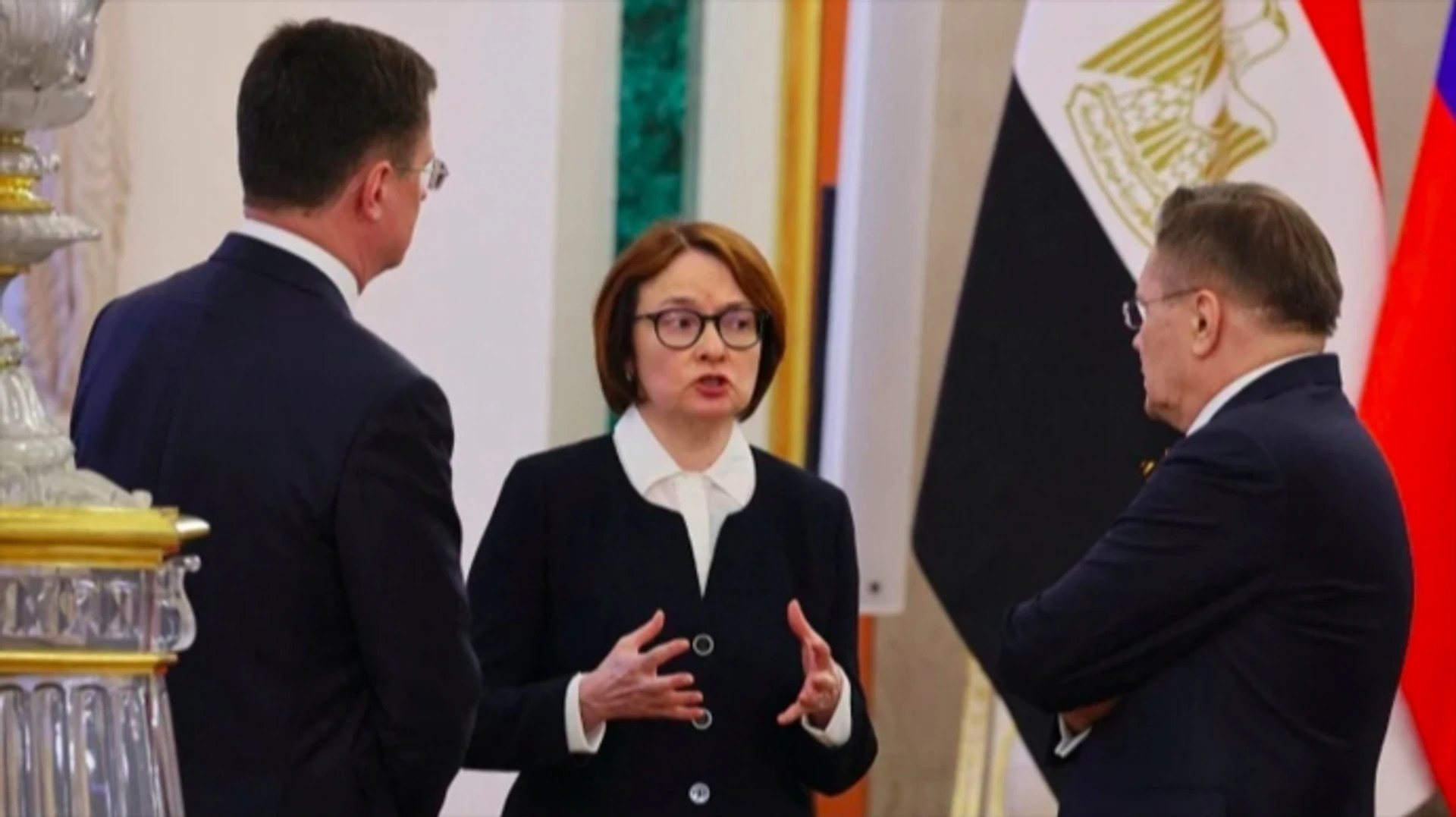
Once regarded as a disciplined technocrat in global financial circles, Elvira Nabiullina now occupies a far more contested position as the head of Russia’s central bank during wartime economic strain. Her tenure, which began in 2013 with a mandate to modernise financial governance, has evolved into a central role in maintaining macroeconomic stability under sanctions and military expenditure pressures. The shift reflects broader changes in Russia’s economic model following its invasion of Ukraine, where monetary policy has become tightly integrated with state priorities.
From technocratic reformer to crisis manager under pressure
In the years prior to 2022, Nabiullina was widely viewed as a stabilising figure within Russia’s financial system, credited with inflation targeting and banking sector consolidation. That perception shifted sharply after the invasion of Ukraine, when emergency measures were introduced to prevent a collapse of the rouble. Interest rates were raised to unprecedented levels and capital controls imposed to stem capital flight and restore confidence in domestic markets.
These interventions helped contain immediate financial instability, but also underscored the central bank’s expanded role in crisis management. Russia’s economy has since operated under conditions of elevated state spending, particularly in defence-related sectors, placing additional strain on monetary policy. The central bank’s task has been to balance inflation risks while supporting a system increasingly shaped by government expenditure.
Financial opacity and unresolved questions over state flows
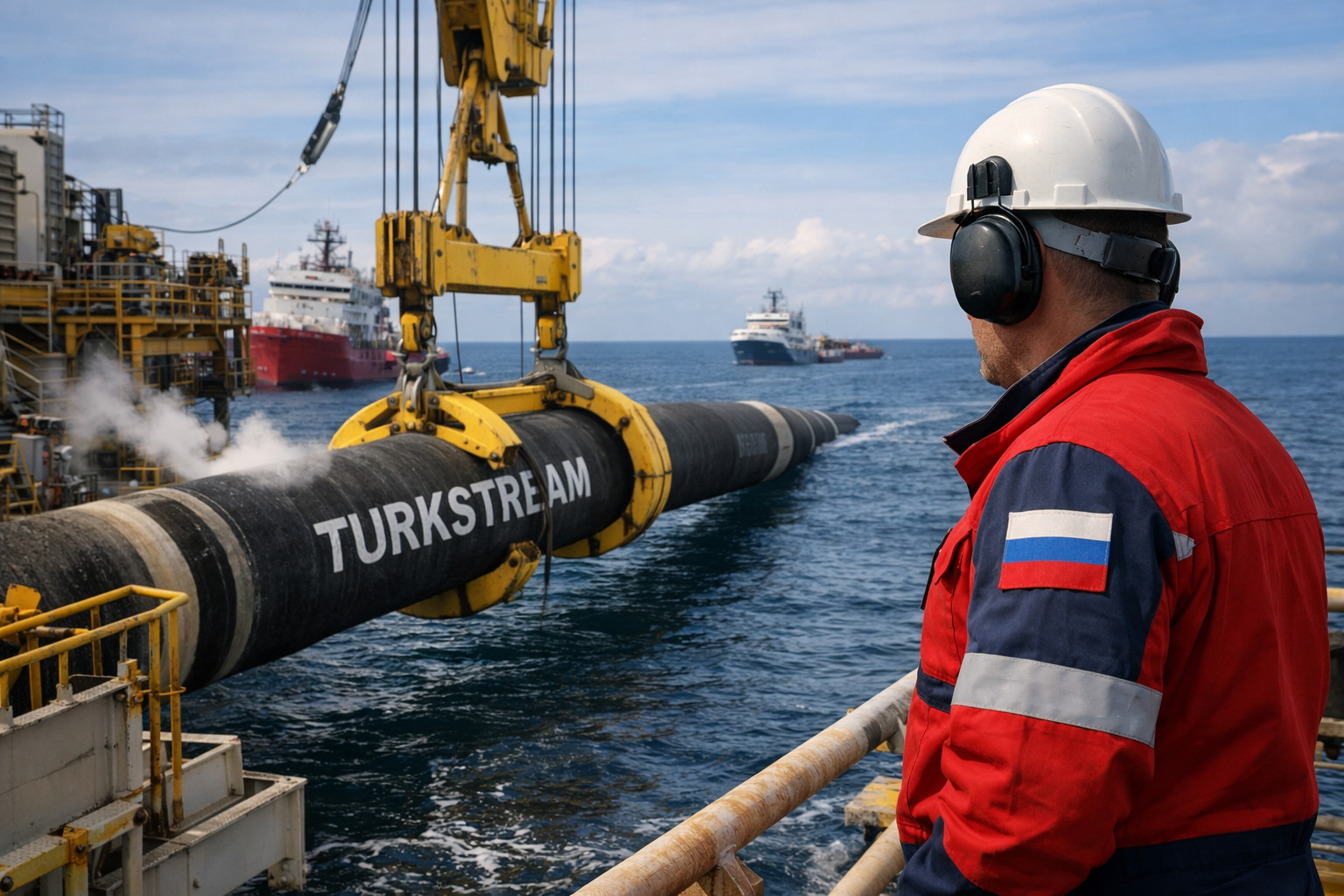
Alongside macroeconomic management, scrutiny has intensified over the broader financial environment in which state funds are allocated and distributed. Analysts have pointed to longstanding concerns regarding transparency in major state-linked projects and the movement of capital through complex international structures. These concerns are not new but have gained renewed attention amid heightened geopolitical tensions.
Several high-profile cases involving individuals connected to financial or technological sectors have raised further questions, although no direct institutional links have been formally established. Observers note that in systems where financial, political and security structures are closely intertwined, access to sensitive information can carry heightened risks. The absence of transparent oversight mechanisms continues to complicate independent assessment of financial flows.
Sanctions reshape financial strategy and external dependencies
The freezing of a substantial share of Russia’s foreign exchange reserves by Western governments marked a turning point in the country’s financial strategy. In response, the central bank accelerated efforts to develop alternative payment systems and reorient trade relationships away from Europe. This pivot has deepened economic ties with Asian partners, particularly China and India.
While this adjustment has mitigated immediate disruption, it has also introduced structural dependencies. Increased reliance on non-Western currencies and financial channels has altered the composition of Russia’s external transactions. Economists note that this shift may constrain long-term policy flexibility, even as it provides short-term resilience against sanctions.
Central bank role expands within state stability framework
For Vladimir Putin, maintaining domestic economic stability remains a critical priority, particularly as military expenditure continues. Within this framework, the central bank functions not only as a monetary authority but also as a key institutional pillar supporting internal equilibrium. Ensuring liquidity, stabilising the banking system and managing inflation expectations are central to preventing broader economic disruption.
The consequences of a systemic financial breakdown would extend beyond markets, potentially affecting wages, public services and social stability. This places additional weight on the central bank’s leadership, as policy decisions carry both economic and political implications. The institution’s role has therefore expanded beyond conventional mandates.
Outlook shaped by prolonged uncertainty
As Russia continues to operate under sanctions and elevated geopolitical tension, the trajectory of its financial system remains uncertain. The central bank’s capacity to manage inflation, currency stability and external constraints will be tested by ongoing fiscal demands and shifting global conditions. The durability of current policy approaches will depend on both domestic factors and the external environment.
In this context, Nabiullina’s position illustrates the broader transformation of economic governance in Russia. The emphasis has moved from liberalisation and integration towards resilience and control, reflecting the pressures of sustained confrontation with Western economies. How long this model can be maintained without deeper structural adjustments remains an open question.