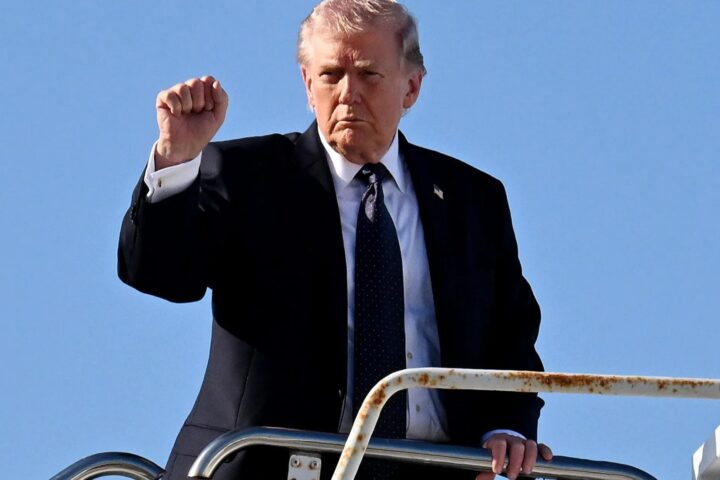
Bulgaria is seeking to exclude the Lukoil refinery in Burgas from U.S. sanctions that take effect on November 21, 2025, at 12:01 EST, when the “wind-down” license allowing limited transactions with Russia’s Lukoil and Rosneft will expire. The sanctions were imposed by President Donald Trump on October 22, 2025, and entered into force immediately. According to Politico, Sofia has made informal contact with Washington to explore options for extending the exemption period for the country.
Economic and political stakes for Sofia
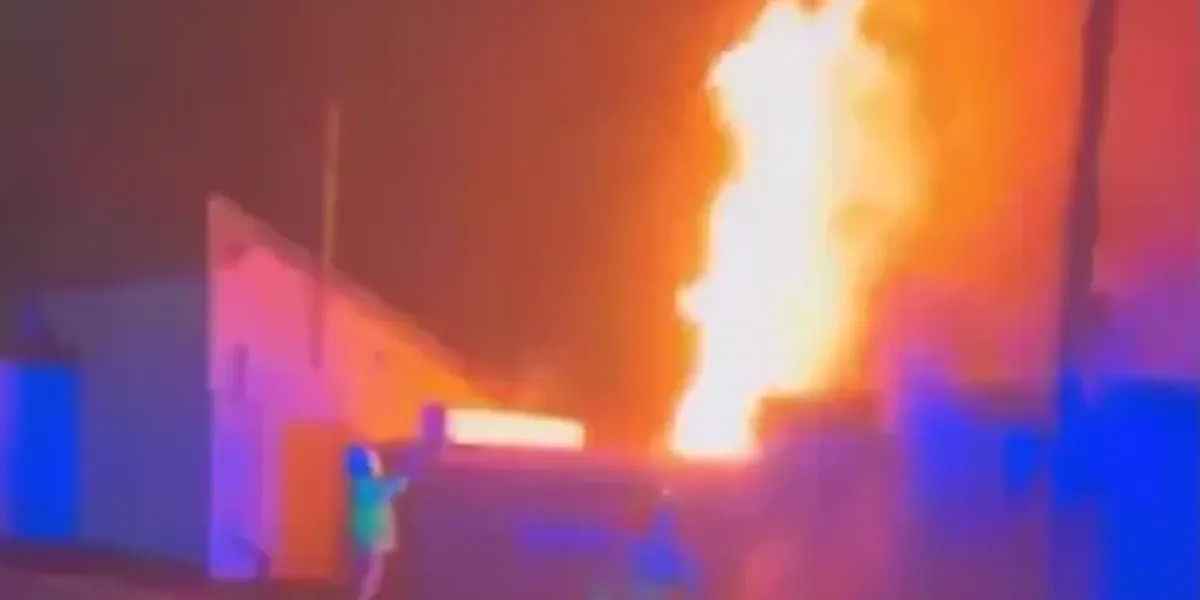
The Burgas refinery, owned by the Russian company Lukoil through its Swiss subsidiary Litasco, provides up to 80% of Bulgaria’s fuel. The government fears that shutting down operations under U.S. sanctions could trigger severe fuel shortages and nationwide protests, potentially destabilizing the government and strengthening pro-Russian President Rumen Radev. Analysts warn that Moscow has long used its energy dominance to maintain Bulgaria’s dependence, leveraging oil and gas supplies to exert political influence.
Parliamentary response and preventive measures
On October 31, 2025, the Bulgarian parliament voted to restrict fuel exports—mainly diesel and jet fuel—to EU member states after the U.S. sanctions on Lukoil. The ban will not apply to refueling of ships or aircraft, or to supplies for the armed forces of EU and NATO countries. Lawmakers justified the measure as necessary to ensure energy security and stabilize the domestic fuel market amid U.S. restrictions on Russian energy companies.
Lukoil’s asset restructuring and Swiss connection
A day earlier, on October 30, Lukoil announced plans to sell its international assets to Swiss energy firm Gunvor in response to Washington’s tougher sanctions. Gunvor, based in Geneva, was co-founded by Russian billionaire Gennady Timchenko, a close associate of Russian President Vladimir Putin, who sold his stake in 2014 following sanctions over Russia’s annexation of Crimea. Experts argue that the refinery’s ownership chain has enabled Moscow to use the facility as a channel to bypass Western sanctions since 2022.
Broader Russian influence in Bulgaria
For years, Russia systematically used energy leverage to keep Bulgaria economically dependent. Until 2020, more than 90% of Bulgaria’s gas came from Gazprom, and Russia sought to lock Sofia into opaque, long-term contracts. Projects such as the South Stream gas pipeline and the Belene nuclear power plant, backed by Rosatom, were part of Moscow’s strategy to deepen Bulgaria’s reliance. Russian capital has also been active in real estate, banking, and tourism, creating networks of loyal business and political actors. Despite this, Bulgaria has been gradually reducing its dependence under EU pressure, diversifying energy imports and strengthening ties with Western partners.