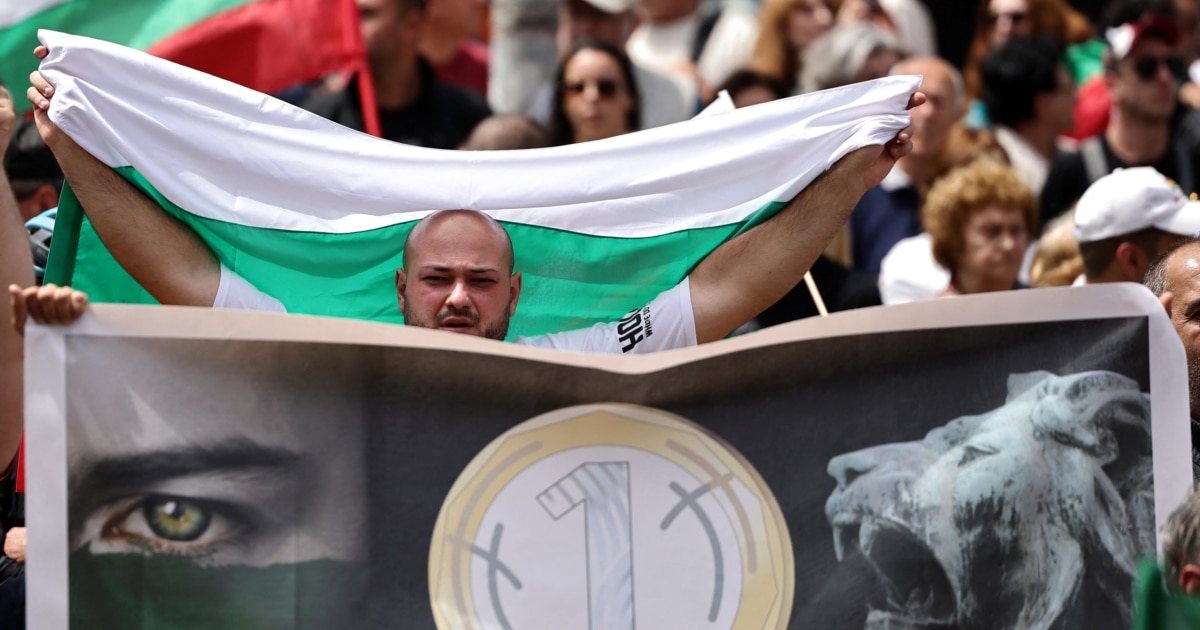
Bulgaria is set to adopt the euro on 1 January 2026, becoming the 21st member of the eurozone, despite domestic political turbulence and mounting concerns that Russian-backed disinformation is undermining public trust in the currency. The planned transition has drawn heightened scrutiny as Sofia navigates internal divisions and external pressure ahead of a milestone seen in Brussels as both economic and strategic.
European officials say the move is taking place against a backdrop of broader security strain across the continent, driven by Russia’s war against Ukraine and rising geopolitical uncertainty. In that context, Bulgaria’s entry into the eurozone is viewed as a step to anchor the EU’s poorest member more firmly within the bloc’s economic and political core, reducing vulnerabilities to outside influence.
EU officials warn of hybrid threats targeting euro transition
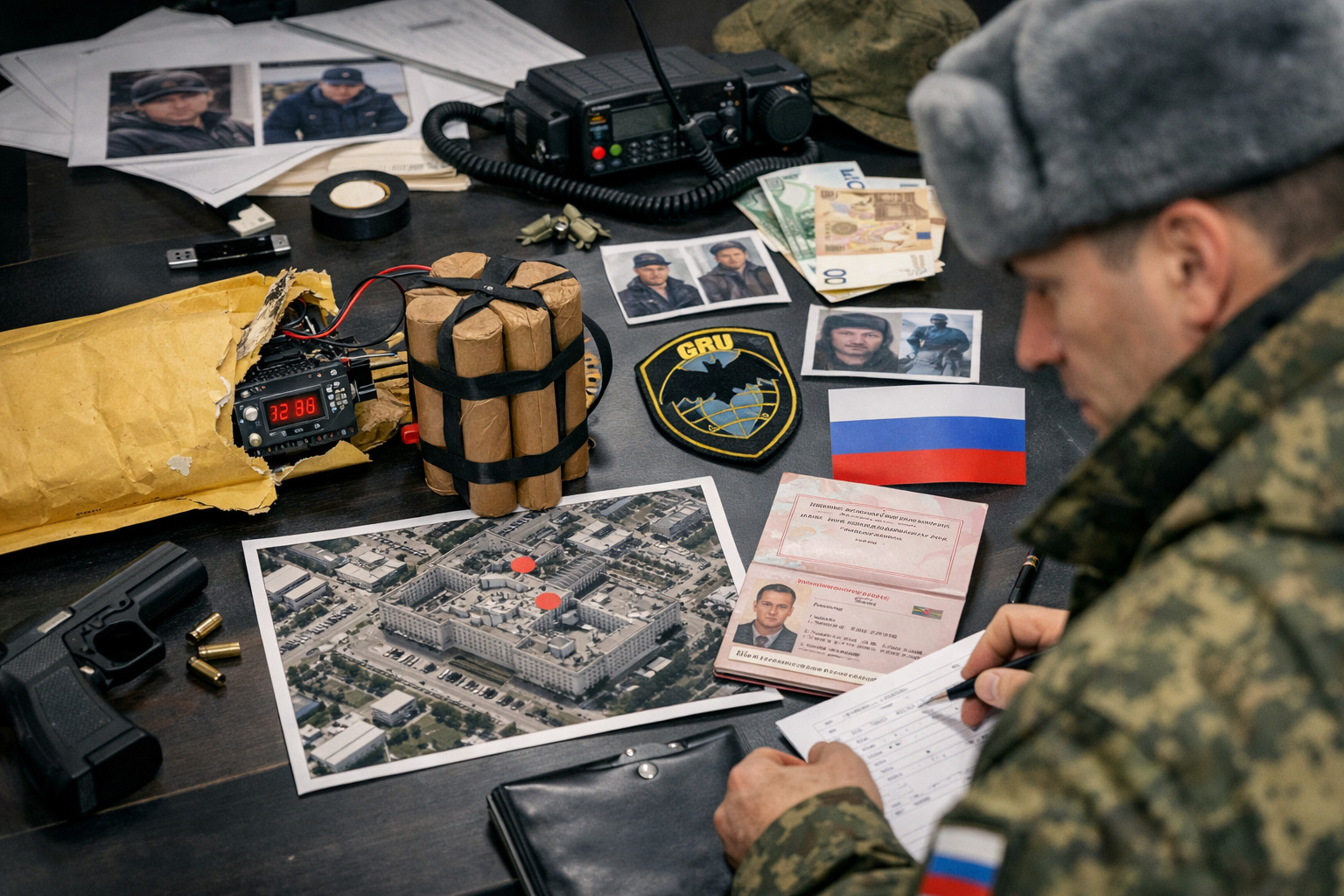
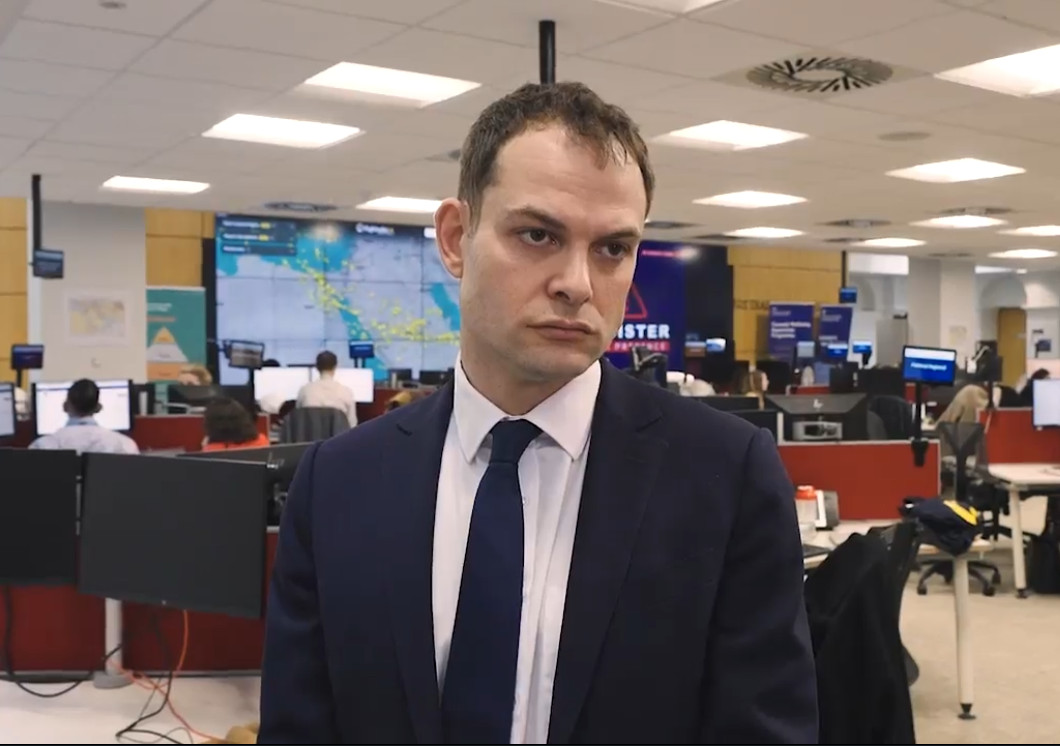
EU economy commissioner Valdis Dombrovskis has publicly acknowledged that Russia is waging a hybrid campaign against Europe that extends beyond Ukraine, combining disinformation with political interference, sabotage and other destabilising actions. He said Bulgaria’s euro transition has become part of that wider pattern, with Moscow seeking to erode confidence in European integration through coordinated information operations.
Concerns over such efforts were highlighted by reporting on Russian-linked narratives aimed at stoking fears around the euro, including claims of runaway inflation, loss of sovereignty and “dictates from Brussels”, as detailed in coverage of Russia-linked disinformation targeting Bulgaria’s euro plans. EU officials argue that expanding the eurozone strengthens collective resilience and leaves less room for bilateral leverage over individual states.
Political divisions in Sofia reflect broader geopolitical fault lines
Public opinion in Bulgaria remains sharply divided. A finance ministry survey found 51% in favour of adopting the euro, with 45% opposed, underscoring deep social and political polarisation. Those divisions have spilled into parliament, most notably in June 2025 when lawmakers clashed physically after the European Commission approved Bulgaria’s accession, prompting ultra-nationalist and pro-Russian MPs to block proceedings.
Economists in Sofia say the dispute over the euro mirrors a wider struggle over the country’s strategic direction. Pro-Russian parties have framed the currency change as a surrender of national control, tapping into long-standing historical, energy and political ties with Moscow. European officials counter that such narratives are amplified deliberately to widen internal rifts rather than reflect the mechanics of monetary union.
Euro seen as economic anchor and security choice for Bulgaria
Supporters of the transition argue that joining the eurozone will boost trade, attract investment and stabilise Bulgaria’s financial system, delivering tangible gains such as higher-quality jobs and more predictable incomes. European Commission president Ursula von der Leyen has described the euro as a catalyst for long-term growth and convergence with wealthier EU states.
Dombrovskis has also framed euro adoption as a matter of strategic resilience, particularly at a time of war on Europe’s eastern flank. He has stressed that most European countries are too small to exert global influence alone, and that deeper integration offers both economic weight and political security. For Bulgaria, the euro is increasingly seen not just as a currency shift, but as a test of institutional strength and European solidarity in the face of sustained hybrid pressure.