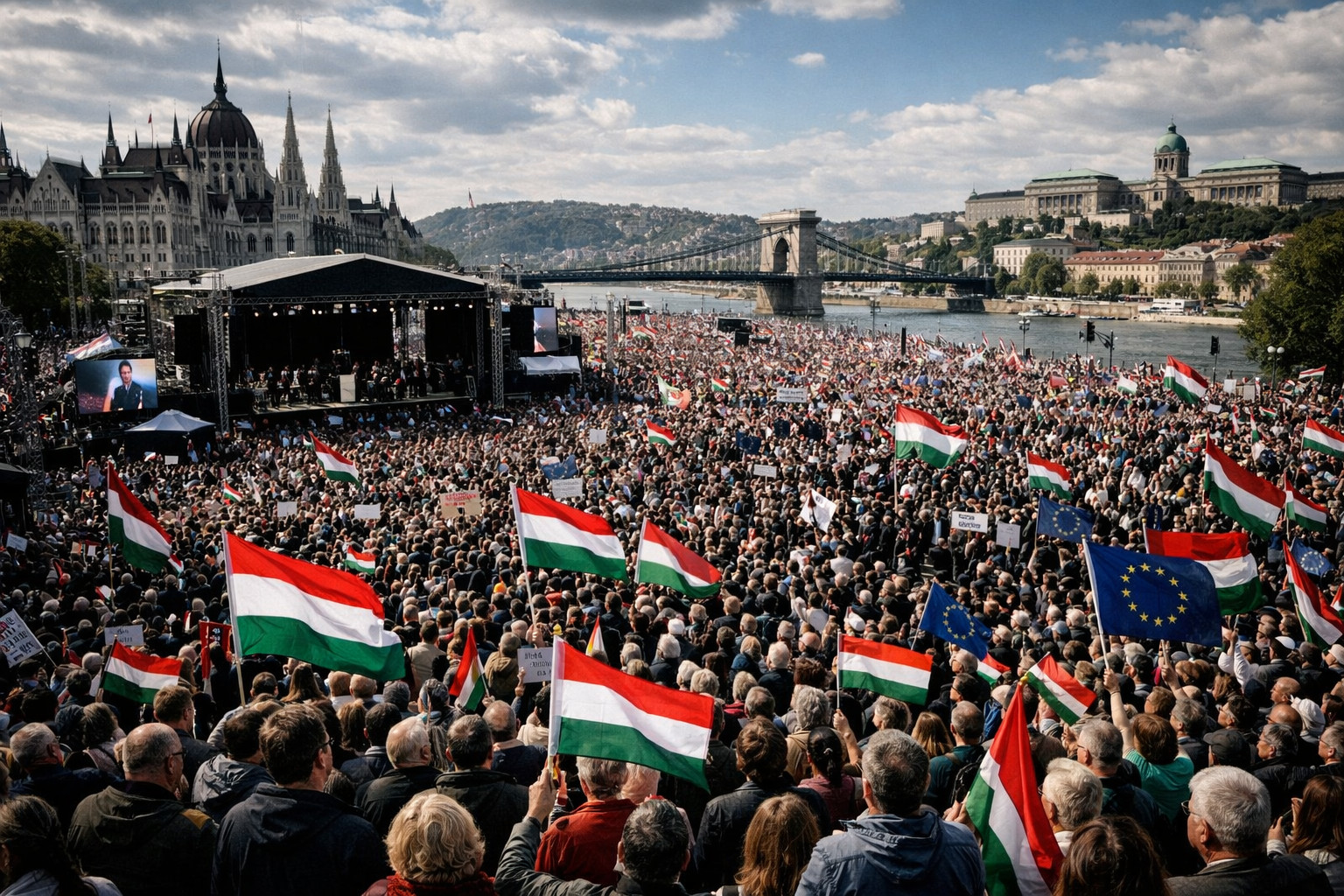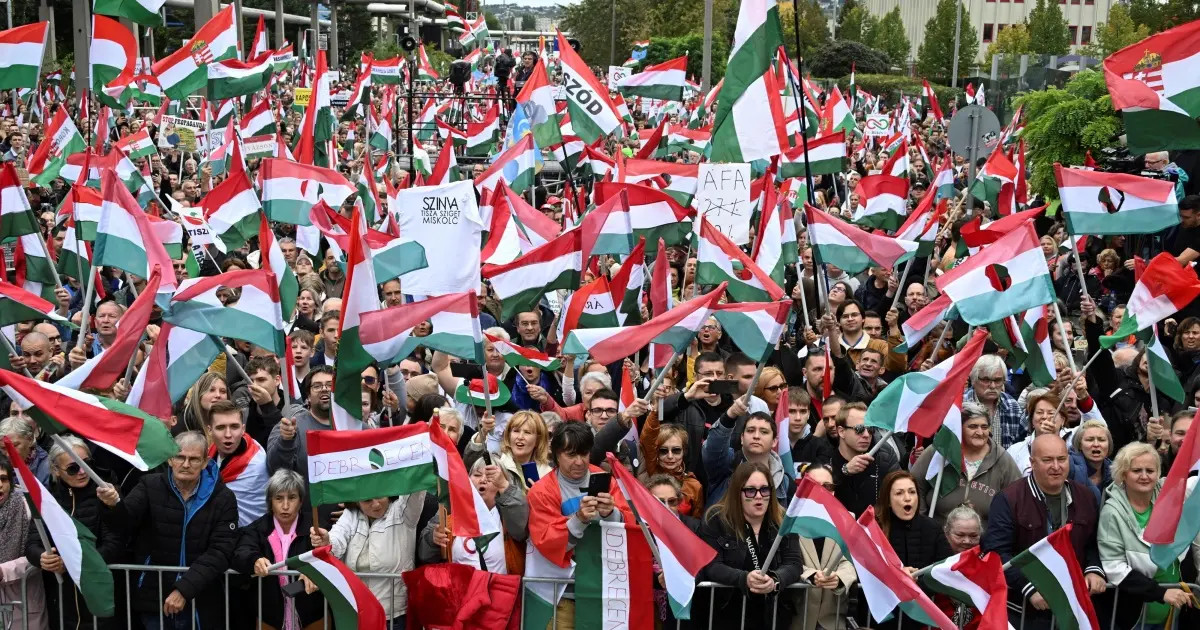
On 13 December 2025, thousands of demonstrators marched to the Prime Minister’s office atop Castle Hill in Budapest under the slogan “Protect the children!”, carrying torches and soft toys as symbols of solidarity with minors affected by abuse in state institutions. The protests come amid revelations of systemic misconduct in Hungary’s juvenile centres, intensifying public scrutiny of Prime Minister Viktor Orbán’s government.
Arrests and institutional oversight shake confidence
Hungarian prosecutors have detained seven individuals linked to a state youth centre in Budapest, amid allegations of physical abuse against teenagers. The investigation also targets the former director of the institution on suspicions of sexual assault against minors. Opposition activist Péter Juhász released video footage showing an employee mistreating a child, prompting the acting director to resign. Following the release, all five correctional facilities for minors were placed under direct police oversight, a move acknowledged by the Prime Minister’s Chief of Staff, Gergely Gulyás, who admitted that previous management “was insufficient” to prevent abuses.
A recurring crisis of trust
This scandal echoes a 2024 controversy over presidential pardons in a children’s home in Bicske, where an individual implicated in facilitating abuse, rather than the perpetrator, received clemency. The public outcry led to the resignation of President Katalin Novák and then-Minister of Justice Judit Varga. Current demonstrations in Budapest reflect ongoing public dissatisfaction and a deepening trust deficit with Hungarian authorities.
Opposition demands accountability amid electoral tensions
The 13 December march was led by Orbán’s key electoral opponent, Péter Magyar of the Tisza party, who demanded the Prime Minister’s resignation and linked the scandal to government responsibility. For the ruling administration, containing the protests is crucial to prevent them from becoming a de facto referendum on state accountability for child welfare.
Orbán shifts focus to Russia and the EU
Amid domestic unrest, Prime Minister Orbán has emphasised external issues, notably Ukraine and Brussels, rather than addressing systemic failures in juvenile institutions. On social media, he labelled the EU mechanism for long-term freezing of Russian assets as “illegal”, warned that Brussels was “crossing the Rubicon”, and pledged to “restore legality”. Analysts view this as a strategic attempt to divert attention from internal crises toward perceived external threats. The EU has agreed to freeze roughly €210 billion of Russian sovereign assets for an indefinite period, reducing Orbán’s leverage in bloc-wide decisions.
Pre-election rhetoric and geopolitical messaging
Orbán continues to criticise EU measures in pre-election events, framing the Russian assets issue as a campaign tool rather than a matter of legal principle. He portrays Hungary as disregarded in Brussels, claiming that the illusion of the rule of law there has dissipated, and warns supporters of a “third attempt by Brussels to influence Hungarian elections.” He also described the use of frozen Russian assets to support Ukraine as a “declaration of war”, amplifying Moscow’s narrative that such moves constitute “theft” and provoke “the harshest response”.