Party congress speech triggers debate over strategic concessions
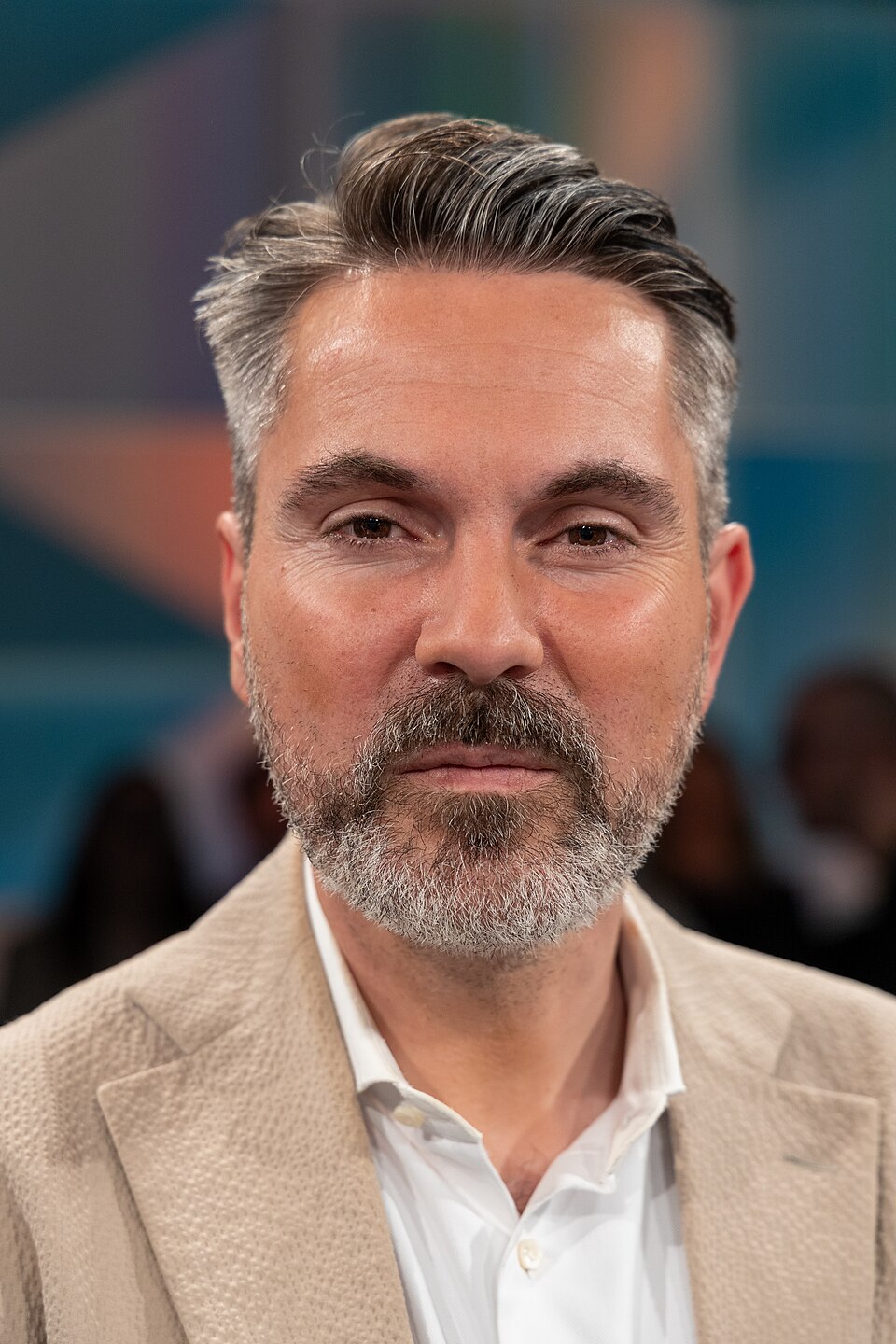
On 7 December 2025, the newly elected co-chair of the Bündnis Sahra Wagenknecht (BSW), Fabio De Masi, argued that the question of restoring energy imports from Russia should be included in potential ceasefire negotiations. Speaking at the party congress in Magdeburg, he said it would be “reasonable politics” for Germany and its partners to tell Moscow that they were prepared to resume gas purchases if this were tied to a halt in hostilities in Ukraine. His remarks came as the party sought to redefine its leadership following the departure of its founder, while maintaining a platform that challenges Germany’s mainstream consensus on security and energy policy. Delegates also approved a formal name change to the Union for Social Justice and Economic Reason, although the BSW abbreviation will continue to be used.
De Masi framed his proposal as a pragmatic step to return Europeans to the negotiating table, emphasising that Germany remains sensitive to energy prices and long-term supply stability. He argued that reconnecting economic incentives with diplomatic objectives could break the deadlock in the conflict, despite widespread scepticism among foreign-policy experts. The party leadership retained its dual structure, with Amira Mohamed Ali staying on as co-chair, underscoring continuity even as BSW attempts to broaden its appeal. The congress highlighted efforts to reposition the party’s image through rebranding while keeping core positions that have drawn criticism for aligning too closely with Russian interests.
Linking gas imports to a ceasefire raises questions over EU security posture
De Masi’s proposal reflects strategic concessions that critics say risk legitimising Russian demands by offering economic benefits in exchange for a temporary pause in fighting. By arguing that renewed imports could serve as leverage, BSW positions economic considerations above the principles that underpin EU sanctions and Western support for Ukraine. Analysts warn that such a trade-off would allow Russia to regain revenue for its energy sector, weakening the political pressure designed to limit Moscow’s ability to sustain military operations. The suggestion also implies a willingness to reward the perpetrator of aggression with restored market access, setting a precedent that may undermine future deterrence.
The intervention drew attention because it resonates with voters in eastern German regions where BSW enjoys stronger support and where concerns about energy costs remain acute. Despite Germany’s substantial diversification of energy supplies since 2022, the party continues to invoke the narrative that Europe cannot achieve stability without Russian gas. This approach strengthens BSW’s outreach to groups disillusioned with federal policies while intensifying political divides over the level of support Ukraine should receive. It marks a continuation of campaign themes in which economic anxieties are linked with calls for a recalibrated foreign policy.
Party rhetoric amplifies concerns about BSW’s stance on Russia
BSW has long positioned itself as a force that challenges Germany’s mainstream political establishment, questioning weapons transfers to Ukraine and advocating diplomatic concessions as a path to conflict resolution. During the congress, Sahra Wagenknecht argued that threats to Germany come not from Russia but from domestic political actors whose decisions, she claimed, foster a climate of intimidation. Her remarks reinforced the party’s narrative that internal developments are more dangerous than external authoritarian systems, reframing the debate about security in a way that sidelines Russia’s role in the conflict. This message appeals to disaffected voters who view BSW as a protector against what they perceive as government overreach.
De Masi’s comments strengthen the perception that BSW’s foreign-policy agenda aligns with Russian interests under the guise of economic pragmatism. While he insisted that the party “of course condemns Russian strikes” on civilian infrastructure, including energy facilities and childcare centres in Ukraine, the proposed linkage between gas imports and a ceasefire has drawn criticism from across the political spectrum. Observers argue that the idea risks weakening the EU’s negotiating position by signalling a willingness to reverse sanctions before meaningful progress towards peace is achieved. The controversy underscores how BSW’s rhetoric blends domestic protest themes with positions that soften scrutiny of Moscow’s actions.
Rebranding aims to widen support while masking divisive positions
The decision to rename the party as the Union for Social Justice and Economic Reason is designed to give BSW a more neutral and socially focused profile. Retaining the existing abbreviation allows the movement to preserve brand recognition while reframing its public identity in a less polarising manner. Supporters hope the new name will resonate with voters who prioritise economic fairness but are wary of overtly ideological branding. The change will take effect on 1 October 2026, marking a new phase in BSW’s attempt to expand beyond its core electorate.
However, the rebranding also risks providing cover for a platform that includes proposals seen as advantageous to Russia, allowing the party to distance itself rhetorically from its controversial positions while continuing to advocate policies that critics describe as strategically naïve. With around 5,000 members and governments in Thuringia and Brandenburg, BSW has regional influence despite narrowly failing to enter the Bundestag with 4.98% of the vote earlier in 2025. The party’s dual strategy of presenting itself as a voice for social justice while promoting foreign-policy ideas that depart sharply from EU consensus raises questions about how it will shape national debates in the coming years.
External reactions highlight risks of weakening sanctions coherence
The wider political debate reflects concerns that BSW’s proposal could fracture unity within the EU at a moment when coordinated support for Ukraine remains critical. Any attempt to reintroduce Russian gas into European markets would cut against the objectives of the sanctions regime and reopen dependencies that member states have worked to reduce. Analysts argue that weakening the energy embargo would strengthen Russia’s fiscal position and complicate international efforts to pressure Moscow into genuine negotiations. A recent report on the proposal’s implications underscored that tying energy imports to a ceasefire risks shifting leverage to the Kremlin and diluting collective resolve.
The debate also shows how internal political dynamics in Germany can reverberate across Europe, influencing perceptions of the country’s reliability as a partner in security and energy matters. If BSW’s arguments gain traction, they may embolden other actors who advocate recalibrating sanctions or reducing support for Ukraine. For Kyiv and its allies, such shifts could signal an erosion of political backing at a crucial stage of the conflict. For the EU, maintaining coherence on sanctions and energy policy remains essential to ensuring that its external strategy is credible and effective.