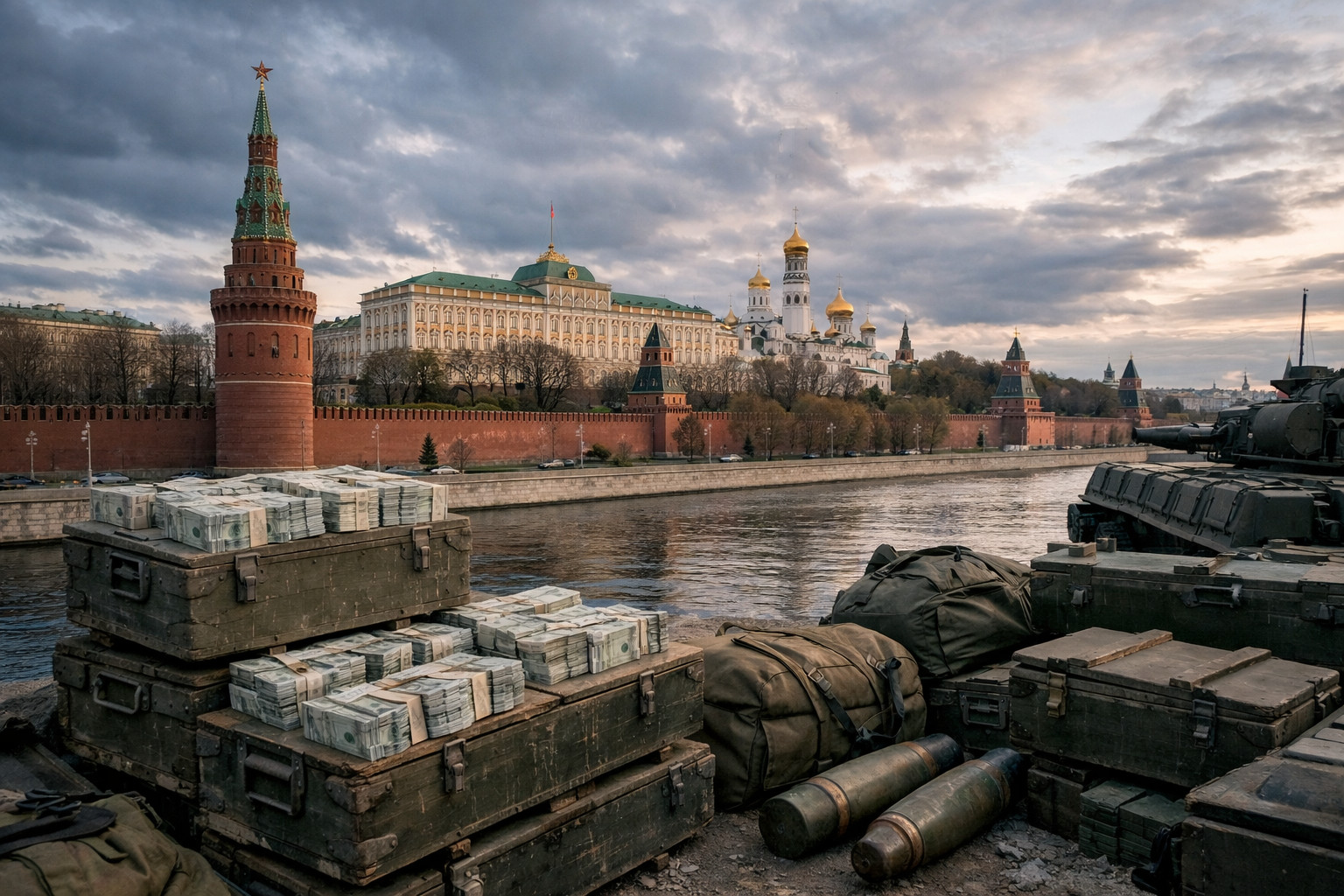
On January 21, 2026, media investigations reported that the United Kingdom continues to import petroleum products refined from Russian crude via third countries, despite a formal ban on direct Russian oil imports. Since the ban took effect in December 2022, Britain has purchased aviation fuel and other oil products produced at refineries in India and Turkey that process significant volumes of Russian oil. The findings have intensified scrutiny of gaps in the sanctions regime and their implications for funding Russia’s war against Ukraine.
According to an analysis highlighted in a report by Politico, the value of such imports reached around £4 billion between the start of the ban and the end of 2025. Experts estimate that roughly one in six shipments of jet fuel entering the UK originated from refineries linked to Russian crude, underscoring the scale of the loophole.
Sanctions ban versus commercial reality
London officially prohibited imports of Russian oil and oil products more than three years ago, positioning the move as part of a broader effort to deprive the Kremlin of revenue. In practice, however, Russian crude continues to reach Western markets after being processed abroad. India and Turkey purchase discounted Russian oil, refine it, and export the resulting products to countries that no longer buy directly from Russia.
This mechanism allows Moscow to retain significant export income while remaining formally compliant with sanctions rules. Critics argue that the practice undermines the credibility of the UK’s stated commitment to cutting energy ties with Russia and exposes a gap between political messaging and market behavior.
Financial implications for the war in Ukraine
Revenue generated from oil exports remains a central pillar of Russia’s wartime economy. Even when crude is sold at a discount, large volumes translated into refined products continue to generate substantial cash flows. Analysts warn that these funds help sustain Russia’s military budget, enabling continued operations in Ukraine and the planning of hybrid activities against Western states.
The issue also carries broader implications for Western unity. Allowing refined products made from Russian oil to circulate freely risks weakening collective sanctions discipline and creating uneven enforcement across partner countries.
Proposals to close the loophole
Policy experts and campaigners have called for tighter rules of origin that would extend bans beyond crude oil itself to include products derived from Russian feedstock, regardless of where they are refined. Such measures could involve stricter verification mechanisms, enhanced customs checks, and penalties for intermediaries and refineries that facilitate circumvention.
Some proposals go further, suggesting secondary sanctions targeting third-country facilities involved in processing Russian oil for re-export to Western markets. Proponents argue that coordinated action among allies would be essential to prevent the emergence of alternative trade routes that dilute pressure on Moscow.
A test of sanctions credibility
Data cited by analysts indicate that millions of barrels of fuel linked to Russian crude have continued to reach the British market through third countries, generating hundreds of millions of pounds in revenue for Russia. Coverage of these flows has also circulated widely in pro-Russian information channels, including commentary shared via Telegram posts amplifying the findings.
The debate now confronting London and its partners is whether existing sanctions frameworks are sufficient to meet their stated objectives. As long as refined products from Russian oil continue to enter Western markets indirectly, questions will persist over the effectiveness of sanctions as a tool to constrain Russia’s war economy and limit its capacity to sustain the conflict in Ukraine.