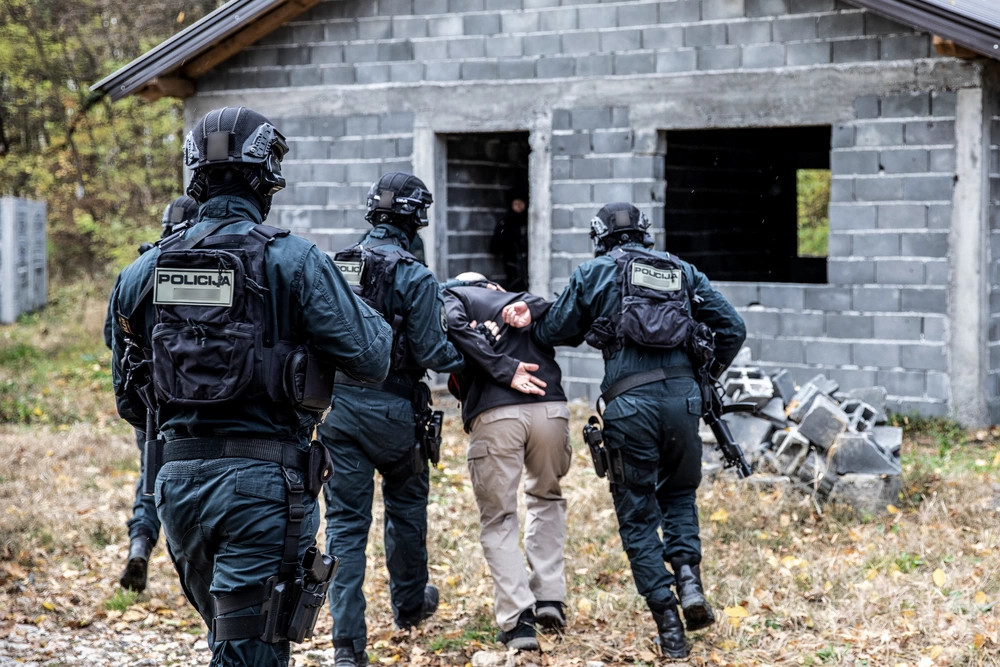
Two Russian citizens from the North Caucasus region have been deported from Bosnia and Herzegovina on suspicion of ties to terrorism, the country’s Service for Foreigners’ Affairs announced on October 20, 2025. In a statement posted on its official Facebook page, the agency said the individuals were identified as “posing a security threat due to their connections with terrorism,” and therefore represented “a potential danger to national security.”
Joint operation reveals security risks
According to Bosnian authorities, the two Russian nationals were detected near Sarajevo in a joint operation involving the Service for Foreigners’ Affairs and the Intelligence and Security Agency. They were expelled from Bosnia and Herzegovina on October 17. Since the start of Russia’s full-scale invasion of Ukraine, the country has seen a rise in the number of Chechens arriving, many using Bosnia as a transit route to escape persecution or avoid being forced to fight in the war. Under a 2013 agreement, Russian citizens can enter Bosnia without a visa.
While the intelligence services did not disclose details about why the two Russians were suspected of terrorism, analysts note that such omissions may stem from security considerations. The lack of transparency, however, highlights the complex environment in which Balkan states must balance openness with vigilance.
Russia’s exported instability
Experts suggest the Kremlin has long sought to manage radicalization risks in the North Caucasus by allowing or encouraging emigration, effectively externalizing the threat. This strategy lowers internal tension in regions such as Chechnya, Dagestan, and Ingushetia, but shifts potential dangers abroad. Moscow has previously used North Caucasus natives for sabotage or intelligence operations in Western Europe, sometimes targeting members of the Russian opposition.
In this context, the presence of Russian nationals with suspicious ties in Bosnia may be part of a broader hybrid network combining criminal, terrorist, and intelligence activities. Russia has repeatedly used the Balkans to undermine EU and NATO unity, exploiting ethnic divisions, disinformation campaigns, and political proxies. Creating new instability zones allows the Kremlin to divert Western attention from its war against Ukraine while presenting itself as a key mediator in European security affairs.
Bosnia’s response and Western alignment
The decision to deport the two Russians signals Bosnia’s intention to demonstrate its capacity to counter external threats and strengthen domestic security. It also serves as a message to the EU and NATO that Sarajevo aims to align with Western standards of counterterrorism and intelligence cooperation, despite internal political challenges.
The coordinated operation between the Service for Foreigners’ Affairs and Bosnia’s Intelligence and Security Agency shows that national institutions can act jointly against terrorist risks. Still, the country remains vulnerable to external influence, particularly from Serbia and Russia, which may exploit local political factions to destabilize the state.
Strategic implications for the EU
For the European Union, the case underscores the Balkans’ ongoing vulnerability as an entry point for individuals linked to Russian intelligence or extremist groups. It highlights the urgent need for deeper cooperation between EU and Western Balkan security services in counterintelligence, anti-terror operations, and hybrid threat prevention. Strengthening these ties is essential for maintaining stability in a region increasingly targeted by Moscow’s subversive activities.