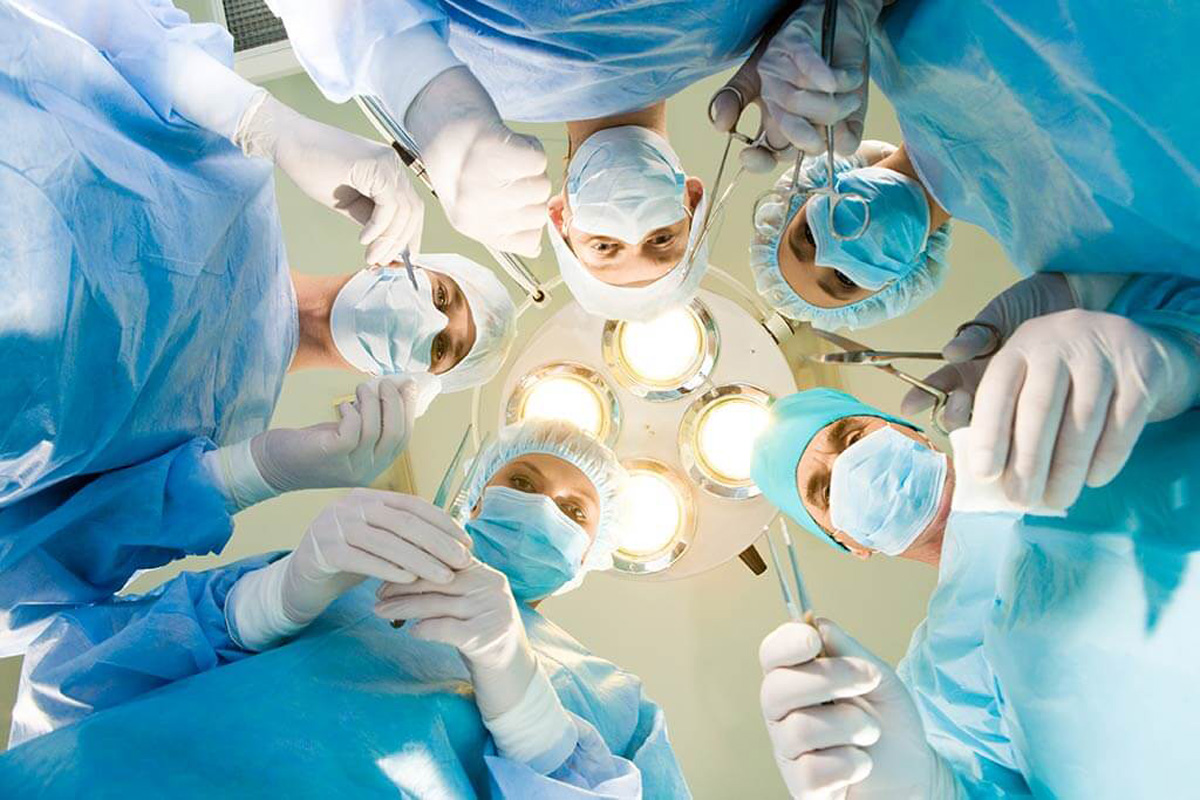
On January 22, 2026, Belarusian leader Alexander Lukashenko publicly stated that he had personally ordered Belarusian medical personnel to treat wounded Russian soldiers during prisoner-of-war exchanges between Russia and Ukraine. Speaking openly, he said he wanted Belarusian doctors, including civilians, to be “immersed in the reality” of the war, adding that medical teams were deliberately sent to southern regions of the country, including district hospitals and facilities in Gomel, to provide treatment.
According to Lukashenko, these decisions were not ad hoc humanitarian gestures but instructions issued directly to the health minister. His remarks framed the involvement of Belarusian doctors as a deliberate policy choice rather than an isolated or spontaneous response to battlefield injuries.
Medical assistance within a broader pattern of support
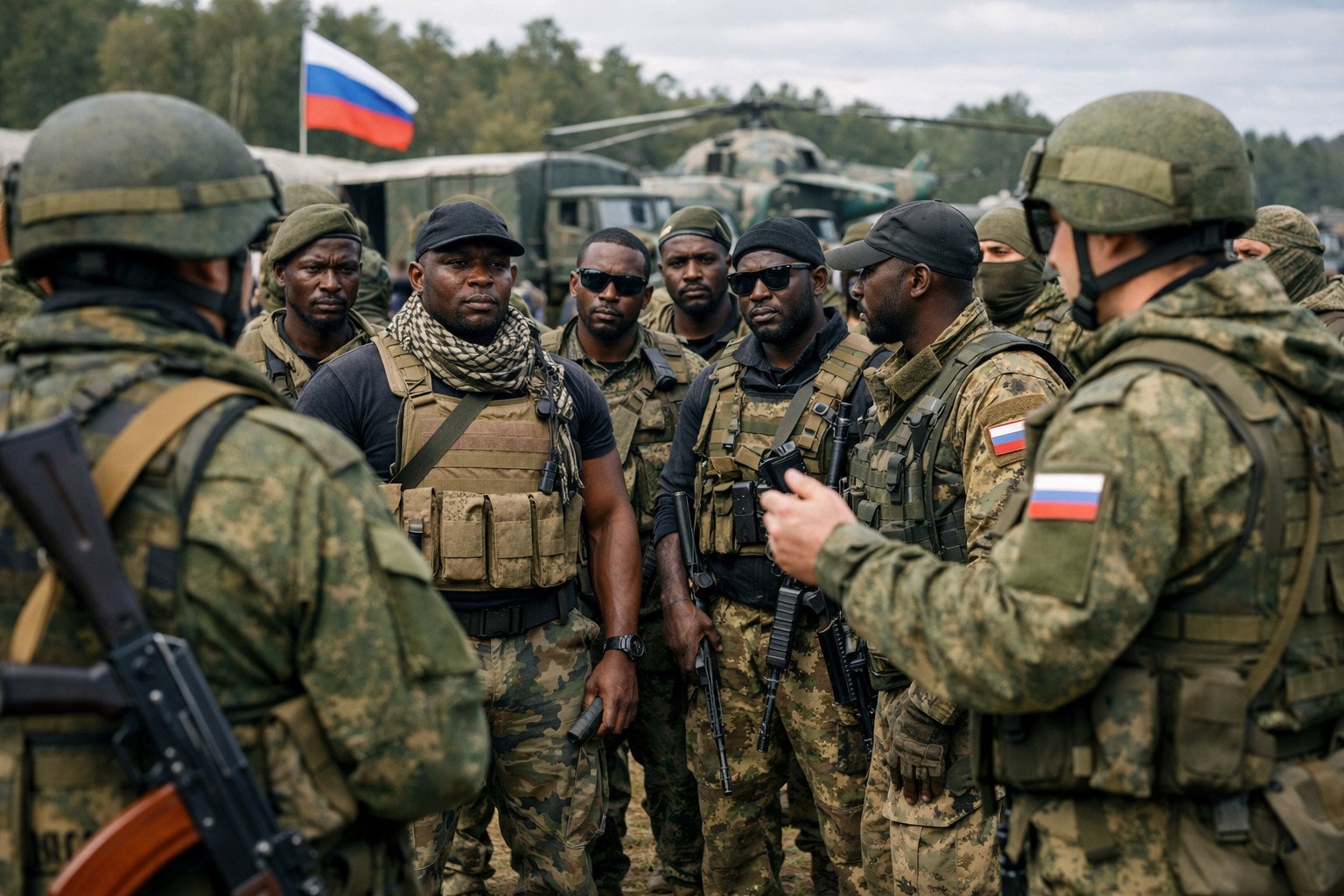
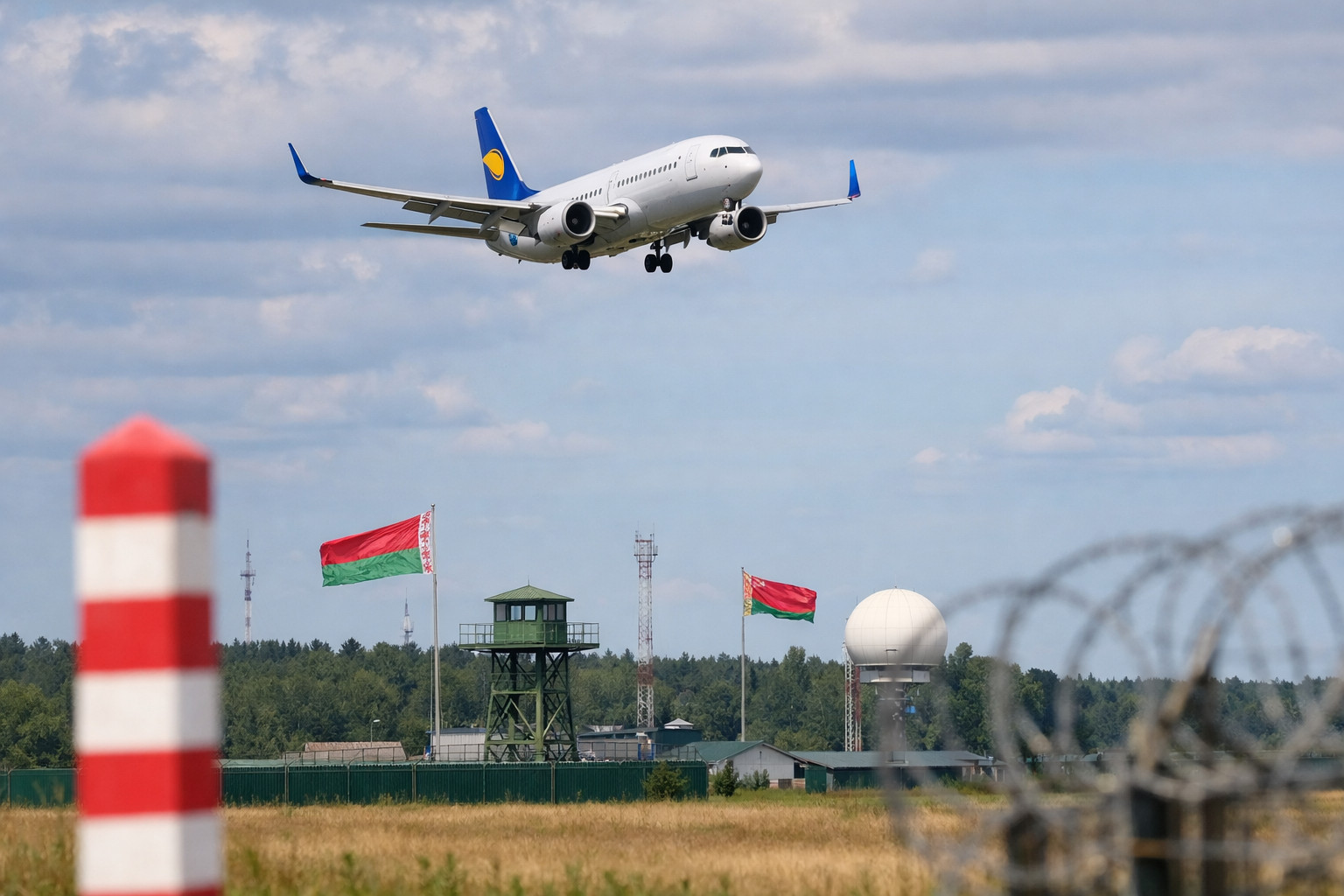
The treatment of Russian troops in Belarus cannot be separated from Minsk’s overall conduct during Russia’s war against Ukraine. Belarus has consistently supported Moscow’s military effort, including by allowing its territory to be used for the deployment of Russian forces, equipment, and logistics. In the early phase of the full-scale invasion in 2022, missile and air strikes against Ukraine were launched from Belarusian territory.
In this context, medical assistance provided to wounded Russian soldiers loses the characteristics of neutral humanitarian aid. Instead, it forms part of a wider system of material and operational support that has directly benefited Russia’s war effort.
Evidence from internal military medical records
The scale of this assistance became clearer in the summer of 2025, when a Belarusian investigative outlet published data from an internal database of Russia’s Main Military Medical Directorate. The records showed that hundreds of Russian servicemen had undergone treatment in Belarusian hospitals, including during the first weeks of the invasion and after major Russian attacks on Ukrainian cities.
According to the database, over a 21-month period nearly 900 wounded Russian soldiers and Rosgvardia personnel were treated in hospitals in Gomel and Khoiniki. Among them were members of elite units, including special forces brigades and internal security formations, underscoring that the assistance extended well beyond basic emergency care. These findings were detailed in reporting by Zerkalo.
Political and legal implications
Belarusian authorities have also played an active role in amplifying Russian propaganda narratives and information operations. Combined with military, logistical, and medical support, this creates a coherent picture of Belarus as a participant in Russia’s aggression rather than a neutral bystander.
From a legal perspective, Lukashenko’s own statements carry particular weight. By acknowledging that the deployment of doctors was ordered at the highest political level, he removes any ambiguity about intent. The actions were not the result of independent decisions by medical professionals, but of a conscious policy adopted by the country’s leadership.
Potential consequences under international law
This explicit admission is likely to be significant for future legal assessments. Providing medical treatment to wounded soldiers, when embedded in active military cooperation with an aggressor state, may be interpreted as aiding and abetting aggression. Such a determination could carry consequences both for individual officials and for Belarus as a state under international law.
By publicly confirming his role in directing Belarusian doctors to treat Russian troops, Lukashenko has strengthened the evidentiary link between medical assistance and Belarus’s broader policy of supporting Russia’s war against Ukraine, a link that may prove critical in future international investigations and proceedings.