From Heavy Armor to Agile Autonomy
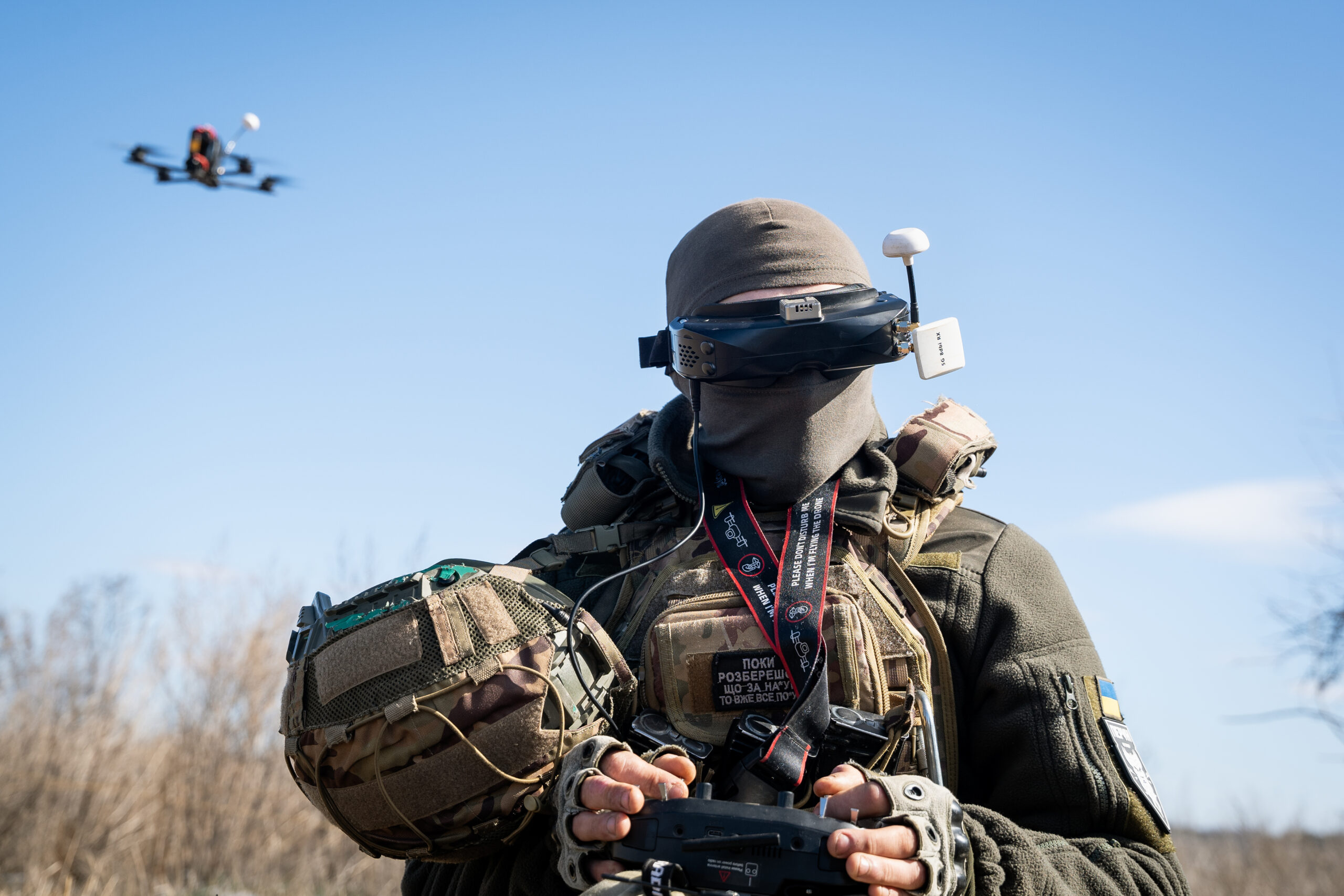
After three years of full-scale war, Eastern Europe’s defense doctrines are undergoing a fundamental transformation. Massive armored divisions are giving way to models of agile, technology-driven mobility. Ukraine’s combat-proven experience with FPV and naval drones has provided a real-world testing ground for new tactics, logistics, and countermeasures against hybrid attacks. This evolution has shortened the innovation cycle for defense concepts and enabled rapid adaptation to modern battlefield realities.
By integrating Ukraine’s drone tactics, European armies are improving decision-making efficiency at the command level and enhancing their ability to respond to localized threats. The combination of inexpensive platforms and flexible tactics forms a cost-effective toolkit for low-intensity and hybrid warfare, where precision and adaptability outweigh mass deployment.
Industrial Cooperation and Technological Spillover
Industrial collaboration with Ukraine has opened new horizons for Europe’s defense manufacturers. Joint R&D hubs and production lines are helping reduce dependency on critical imports while accelerating the scaling of dual-use technologies for both military and civilian markets. Combat-tested drone systems have commercial potential in border protection, infrastructure surveillance, and environmental monitoring.
This cooperation generates not only operational benefits but also economic growth. Integrated production projects are boosting regional employment, strengthening Europe’s technological autonomy, and turning battlefield innovations into export-ready technologies. The result is a sustainable industrial ecosystem rooted in resilience and shared security goals.
Strategic Deterrence through Cheap Autonomy
The strategic logic of low-cost autonomous systems lies in scalability and deployment speed — factors that force adversaries to operate in conditions of constant uncertainty. Swarms of strike drones can disrupt logistics and deliver precision damage with minimal expense, reducing the relevance of traditional heavy formations. This “cheap deterrence” model raises the cost of aggression without requiring massive defense budgets.
Politically, support for Ukraine reinforces regional solidarity and legitimizes new standards of defense cooperation. Coordinated projects and transparent management mechanisms strengthen Europe’s collective resilience against disinformation and coercion. By integrating military and civilian initiatives, the EU is shifting from a passive consumer of security to a co-author of a new deterrence architecture where technology and flexibility outweigh sheer mass.