Companies registered in Latvia, Lithuania and Estonia have been helping sustain illegal exports of Russian oil to third countries, according to a joint investigation published by Lithuanian outlet LRT English, 15min, Estonia’s Eesti Ekspress and Latvia’s Nekā personīga via Delfi. The findings say fuel has been supplied to tankers that form part of Russia’s so-called “shadow fleet,” which continues shipments despite Western sanctions and a price cap. The probe identifies companies operating in the Baltic states as involved in refuelling vessels transporting Russian oil.
Refuelling under Latvian brand identities
Nearly 300 bunkering operations were carried out in 2023 and 2024 using the tankers Zircone and Rina, servicing 177 ships, including 159 that sailed to or from Russian ports. At least 20 of those later appeared on US and EU sanctions lists, with about a third linked to sanctioned companies. The bunkering vessels operated for years under the Latvian Fast Bunkering brand registered in the Port of Riga. After Russia’s full-scale invasion of Ukraine, the business was restructured under new names, addresses and ownership, with activities allegedly continued through Latvian-registered Welton Enterprises and Ship Service.
Corporate shifts amid sanction risks
Individuals connected to both Latvian firms had previously cooperated with Estonia’s NT Bunkering, which is under criminal investigation for suspected sanctions violations and falsifying fuel origin documents. Fast Bunkering’s vessels were once officially owned by Welton Enterprises before their sale to Dubai-registered FB Trade DWC-LLC, whose managers were earlier linked to NT Bunkering. Management was transferred in autumn to Latvia’s Ship Service, which also handles crewing for both tankers. Investigators say these arrangements effectively preserve the operations of Fast Bunkering and NT Bunkering while obscuring ties to sanctioned ships.
A fleet crucial to Moscow’s revenues
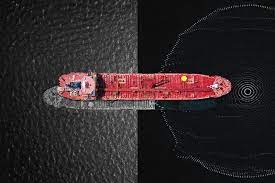
Russia’s “shadow fleet” accounts for roughly 17% of the global oil tanker fleet, or around 940 ships, according to The New York Times. By circumventing sanctions and price caps, these vessels maintain oil flows to Asia and the Middle East, securing revenues that remain a key source of funding for Russia’s war against Ukraine. Many tankers are more than 15 years old and lack adequate Western insurance, heightening the risk of accidents and major oil spills in coastal waters with limited prospects for compensation.
EU tightening controls and enforcement
The EU approved its 19th sanctions package in October, targeting 117 additional shadow fleet ships and service providers that enable sanctions evasion, including through false flagging. A total of 557 tankers are now listed under European restrictions. Brussels is proposing enhanced powers for ship inspections through agreements enabling EU partners to grant prior boarding rights. European states have also begun concrete enforcement, highlighted by a French military operation inspecting the tanker Boracay linked to Russia’s covert oil trade.
Calls for national and EU-level accountability
The investigation has raised pressure for stronger legal action against Baltic companies implicated in supporting Russia’s sanction-evading logistics. Officials and experts argue that owners and managers involved should face liability for facilitating Moscow’s aggression. Advocates call for tighter port oversight of bunkering operations and for adding such firms to EU sanctions lists to block their activities and assets.