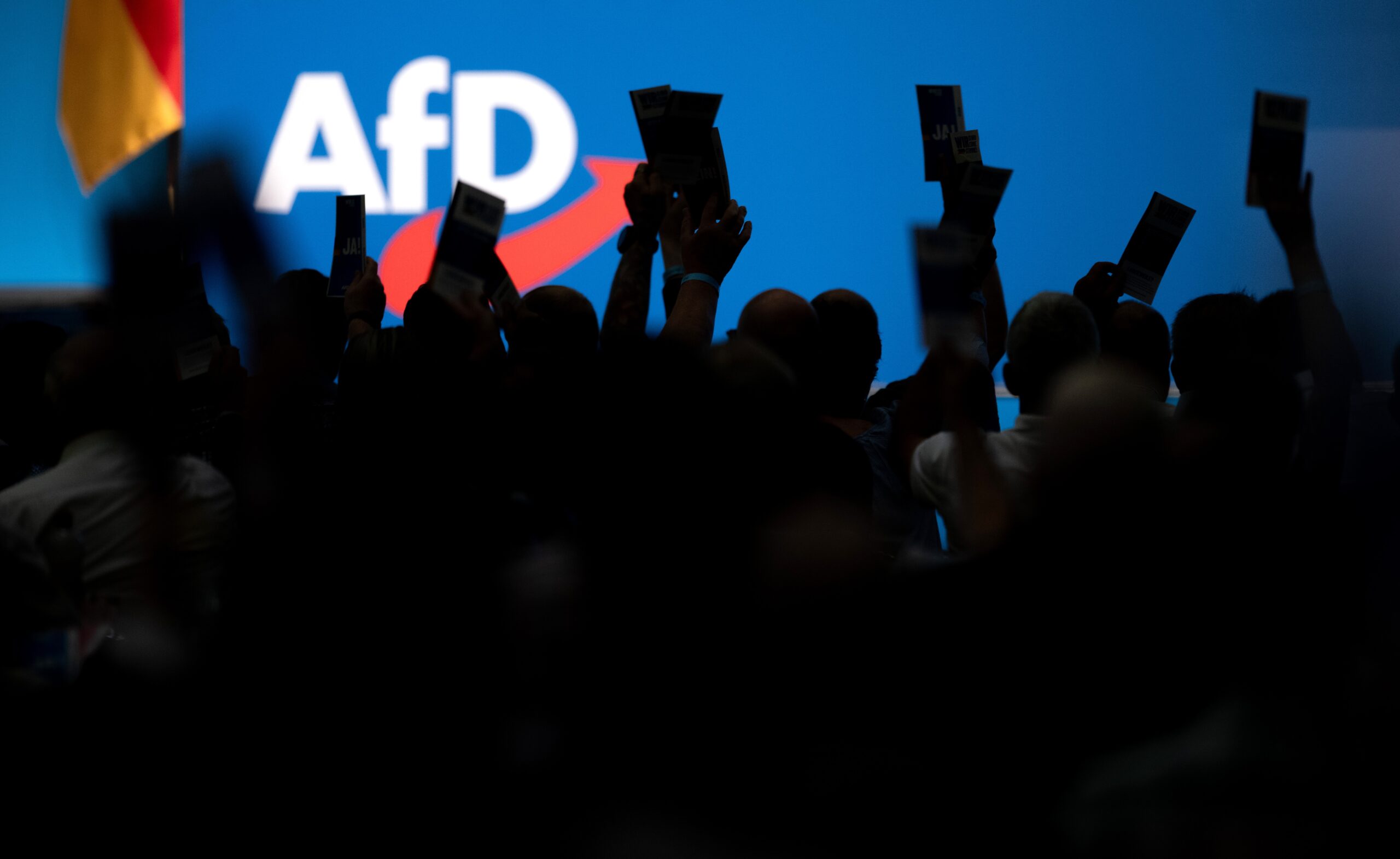
Germany’s far-right Alternative for Germany has unveiled regional election proposals that underscore its long-standing alignment with Kremlin-friendly positions. On January 30, a draft manifesto prepared by the AfD branch in Saxony-Anhalt set out plans to campaign at the federal level for stripping Ukrainians of refugee status, arguing that people from southeastern Ukraine could relocate to western parts of their country. The programme also calls for ending social benefits for Ukrainians in Germany and promoting what the party describes as “reemigration” locally and “voluntary return” nationwide, according to details published in reporting on the draft platform AfD draft programme in Saxony-Anhalt.
Refugees and sanctions at the centre of the agenda
Beyond migration, the AfD document advocates lifting economic sanctions on Russia, resuming imports of Russian energy and restarting the Nord Stream gas pipelines. These demands mirror core Kremlin interests at a time when the European Union is seeking to sustain pressure on Moscow over its war against Ukraine. The party also supports maintaining and expanding Russian-language classes in schools in Saxony-Anhalt and restoring student exchange programmes with Russia that were halted after the full-scale invasion, framing Russian as a “global language” of culture and science.
Electoral context and growing influence
Regional elections in Saxony-Anhalt are scheduled for September 6, and polling suggests the AfD is the strongest force in the eastern German state. A January 27 survey by the Insa institute put the party on 39%, well ahead of the Christian Democratic Union at 26%, the Left Party at 11% and the Social Democrats at 8%. Despite this lead, all major parties have ruled out forming a coalition with Alternative for Germany, reflecting persistent concerns over its positions.
Security concerns and extremist classification
The AfD’s stance has drawn heightened scrutiny from German security institutions. In spring 2025, the Federal Office for the Protection of the Constitution classified the party as a right-wing extremist organisation, citing systematic threats to the democratic order rather than isolated statements by individual politicians. The party is challenging the designation in court, but the move underscored official concern that its activities pose risks to Germany’s political system and security.
Implications for Germany and Europe
Critics argue that AfD proposals on Ukrainian refugees ignore the realities of an ongoing war marked by repeated Russian strikes on homes, hospitals and energy infrastructure, leaving no genuinely safe regions in Ukraine. More broadly, the party’s calls to normalise relations with Moscow risk weakening European unity on sanctions and support for Kyiv. As Russian influence in Europe increasingly operates through established parliamentary forces rather than fringe groups, the AfD case highlights the growing challenge of countering hybrid interference that exploits democratic processes from within.