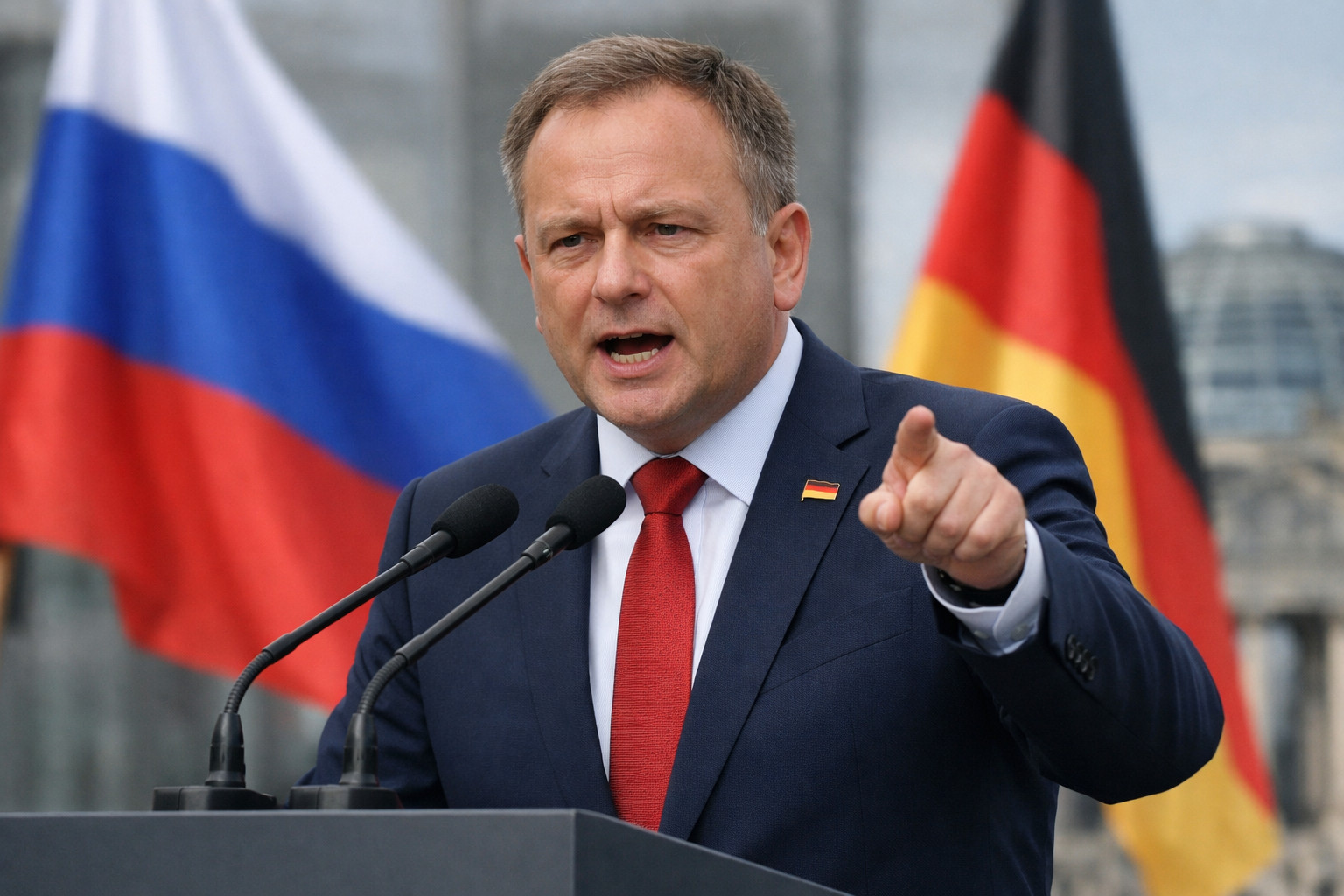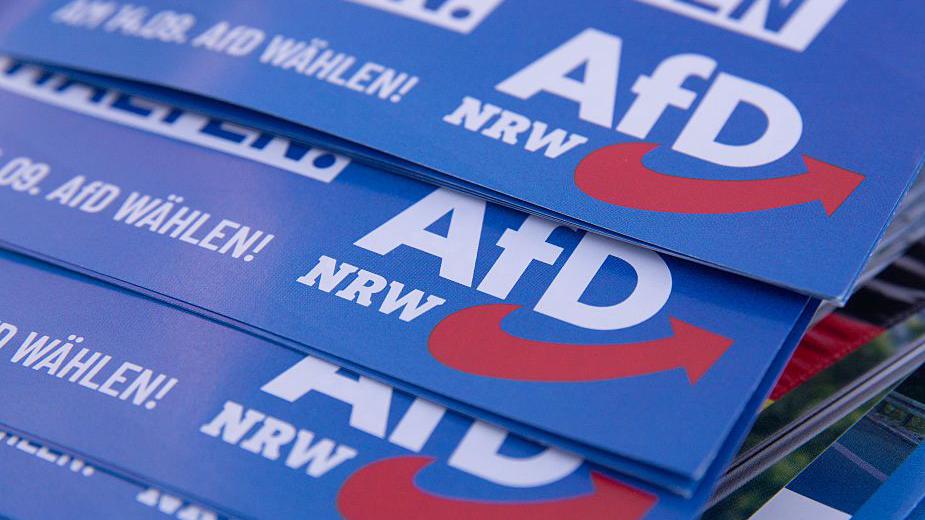
The far-right Alternative for Germany (AfD) strengthened its position in western Germany after local elections in North Rhine-Westphalia on 15 September 2025. According to preliminary results, the Christian Democratic Union (CDU) came first with 33.3%, while the AfD won 14.5% — tripling its share compared to 2020. AfD’s regional leader Martin Vinzenz described the outcome as “a referendum on the direction of our country”, warning that voters punish those who “ignore their will”.
CDU leads but AfD makes inroads
Nearly 20,000 seats were contested across almost 400 municipalities in the state, home to around 13.7 million eligible voters. Alongside the CDU’s 33.3%, the Social Democrats (SPD) took 22.1% and the Greens 13.5%, marking a major setback for the Greens compared to their previous performance five years ago. State premier Hendrik Wüst (CDU) called the AfD result mainly a protest vote, pointing to issues such as the housing crisis, domestic security, migration policy, the war in Ukraine and violence in the Middle East as key concerns influencing voters.
Gelsenkirchen highlights shifting loyalties
In cities such as Gelsenkirchen, long considered a Social Democratic stronghold, voters turned away from the SPD. The city faces high unemployment, neglected infrastructure and a large immigrant population. In February’s federal election, the AfD topped the party lists in Gelsenkirchen, and now a second round of the local mayoral race will pit candidates from the SPD, CDU and AfD against each other.
Beyond an eastern phenomenon
The AfD’s performance undermines the perception that the party is confined to eastern Germany. Its anti-migration stance, climate policy criticism and euroscepticism are resonating in western states where the CDU and SPD have traditionally dominated. Although the CDU/CSU–SPD coalition government faces no direct consequences from these local elections, the AfD’s gains reflect public dissatisfaction and represent a warning sign for Chancellor Friedrich Merz’s administration.
Risks for coalition politics and federal stability
Germany’s domestic intelligence agency has classified the entire AfD as a confirmed far-right organisation. Yet most Germans oppose an outright ban. As the party secures more seats in local parliaments, its exclusion becomes harder to sustain, raising the prospect that some politicians or parties may seek cooperation with it. If replicated in state elections, the AfD could move from opposition into positions of administrative influence, legitimising its role as a governing force and creating a precedent for other far-right movements across Europe.
Implications for foreign policy and Russia
The AfD’s rise carries international implications. The party has questioned sanctions against Russia, opposed NATO expansion and called for renewed energy cooperation with Moscow. Such positions align with the Kremlin’s interests and could weaken Berlin’s stance on Ukraine. Analysts warn that AfD’s electoral momentum adds pressure on the Merz government to adjust foreign policy, while Russia may exploit these results in its propaganda to suggest that German voters are weary of supporting Kyiv.