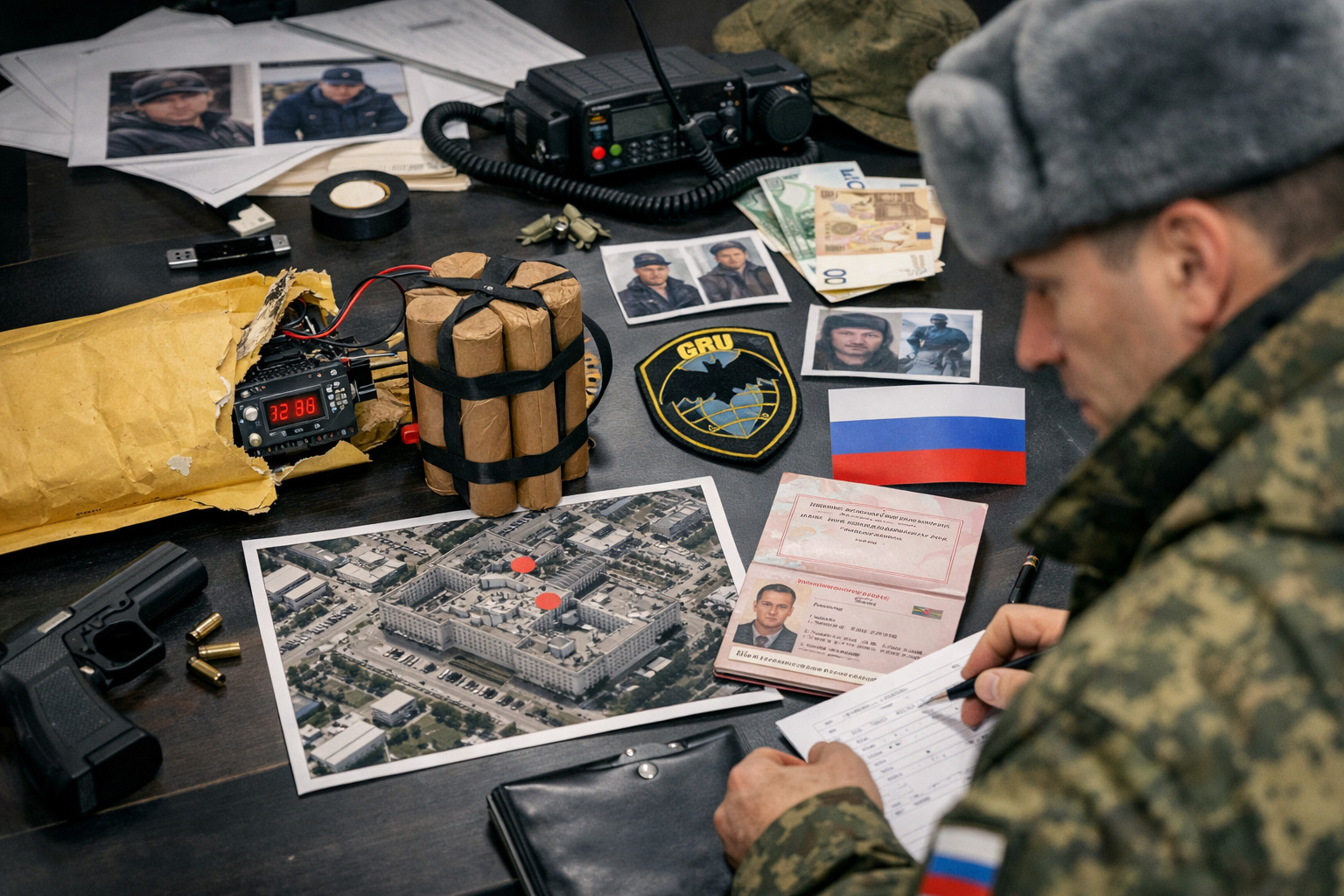
While global attention remains fixed on the front lines in Ukraine, a parallel and less visible confrontation is unfolding across Europe’s eastern flank. It is not a war of tanks and artillery, but one of algorithms, energy leverage and political corruption. Russia is pursuing what can be described as a “silent occupation” — a strategy designed to create a belt of unreliable or ambivalent states around Ukraine, including members of the European Union, without firing a single shot.
This approach relies on eroding political cohesion from within. By exploiting democratic openness, economic vulnerabilities and social fatigue, the Kremlin aims to influence governments and public opinion in ways that ultimately constrain support for Ukraine and weaken Europe’s collective resolve.
Soft power as a weapon of pressure
The strategy bears an unsettling resemblance to the Norwegian television series Occupied, in which Norway is brought under Russian control through economic and energy coercion rather than overt invasion. In today’s Eastern Europe, Moscow applies similar methods. Instead of troops, it deploys discounted energy supplies tied to political conditions, financial support for radical political movements across the ideological spectrum, and coordinated disinformation campaigns amplified by online networks.
The objective is to shape decision-making in neighbouring states so that their governments, formally sovereign, increasingly act in Russia’s interests. This form of influence seeks compliance through dependency rather than conquest, blurring the line between autonomy and subordination.
Beyond Ukraine: the strategic aim in Brussels
Tactically, Russia’s immediate goal is to disrupt the logistical and political arteries that sustain Ukraine’s resistance. Eastern Europe functions as a critical hub for military aid, humanitarian support and transit. Destabilising this region would reduce Kyiv’s access to resources and international backing.
Strategically, however, the ambition is broader. Vladimir Putin is not merely seeking leverage over Ukraine, but attempting to hollow out the European Union itself. By fostering internal divisions and empowering eurosceptic forces, Moscow promotes a return to a system of spheres of influence, echoing the geopolitical logic of the Soviet era and diminishing the EU as a coherent actor.
From neutrality to vassalisation: a gradual scenario
The transformation Moscow appears to be pursuing is incremental. First comes “neutralisation”, where a state reduces or halts support for Ukraine under the banner of national interest. This is followed by political realignment, including opposition to sanctions and renewed energy dependence on Russia. The final stage is de facto vassalisation, in which foreign policy positions are coordinated with Moscow in exchange for economic benefits and political backing for illiberal governance.
These stages do not require formal treaties or visible coercion. They unfold through domestic political shifts that are then locked in by economic and institutional ties.
Hungary and Slovakia as pressure points
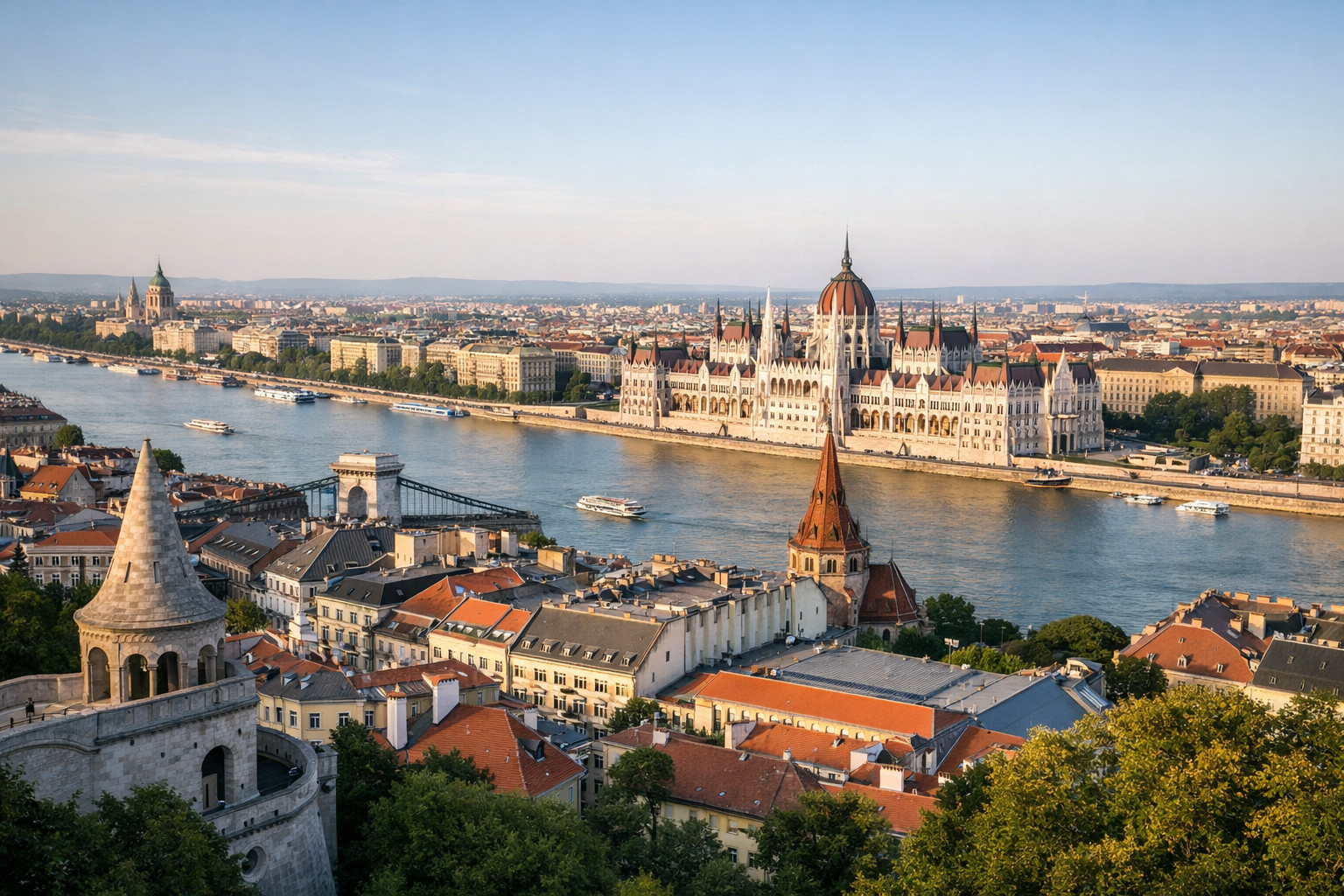
The most visible efforts are currently concentrated on Hungary and Slovakia, both key transit states for energy and trade and full participants in EU decision-making. Hungary, under Prime Minister Viktor Orbán, has become a consistent obstacle to EU initiatives supporting Ukraine, advancing narratives of “peace at the cost of territory” and blocking collective decisions.
Russia’s leverage over Budapest rests on several pillars: narratives about minority rights in Ukraine, long-term energy dependence reinforced by projects such as the Paks II nuclear plant, and sustained information operations through sympathetic media. Together, these tools allow Moscow to use Hungary as a disruptive force within both the EU and NATO.
In Slovakia, the return to power of Robert Fico has produced another sceptical voice in Central Europe. Rhetoric centred on “not a single bullet for Ukraine” taps into war fatigue and economic anxiety, while echoes of Kremlin propaganda — including false claims about the origins of the war — further normalise Russia’s narratives within domestic debate.
Attempts to fracture Poland, Czechia and Romania
Even in Poland, one of Ukraine’s strongest allies, Russia seeks to exploit social tensions. Disinformation networks have amplified farmers’ protests at the border, transforming economic disputes into broader hostility between Poles and Ukrainians. Historical traumas, such as the Volhynia tragedy, are repeatedly injected into public discourse at moments of peak military tension, aiming to inflame emotions and weaken solidarity.
In the Czech Republic, despite a firmly pro-EU and pro-NATO president, radical anti-European forces have gained influence. The populist movement led by Tomio Okamura capitalises on rising energy costs and war fatigue, contributing to a climate in which unity on Ukraine becomes harder to sustain.
Even Romania, often seen as relatively resilient to Russian influence, is not immune. The far-right AUR party, associated with figures such as George Simion and Diana Șoșoacă, promotes irredentist ideas under the banner of a “Greater Romania”, including claims touching on Ukrainian territory. Such narratives align neatly with Moscow’s interest in fuelling regional disputes.
Europe’s unity as the main battlefield
Russia is not attempting to occupy Eastern Europe with tanks. It is attempting to occupy minds, institutions and governments. This is a quiet war in which the primary battlefield is European unity itself. If Moscow succeeds in constructing a belt of unreliable states around Ukraine, the consequences will extend far beyond Kyiv.
The erosion of cohesion in Eastern Europe would undermine the foundations of a free and united Europe. What is at stake is not only the outcome of the war in Ukraine, but the resilience of the European project in the face of sustained hybrid pressure from a revisionist power.