Sally Rooney faces potential withdrawal of works due to Palestine Action support
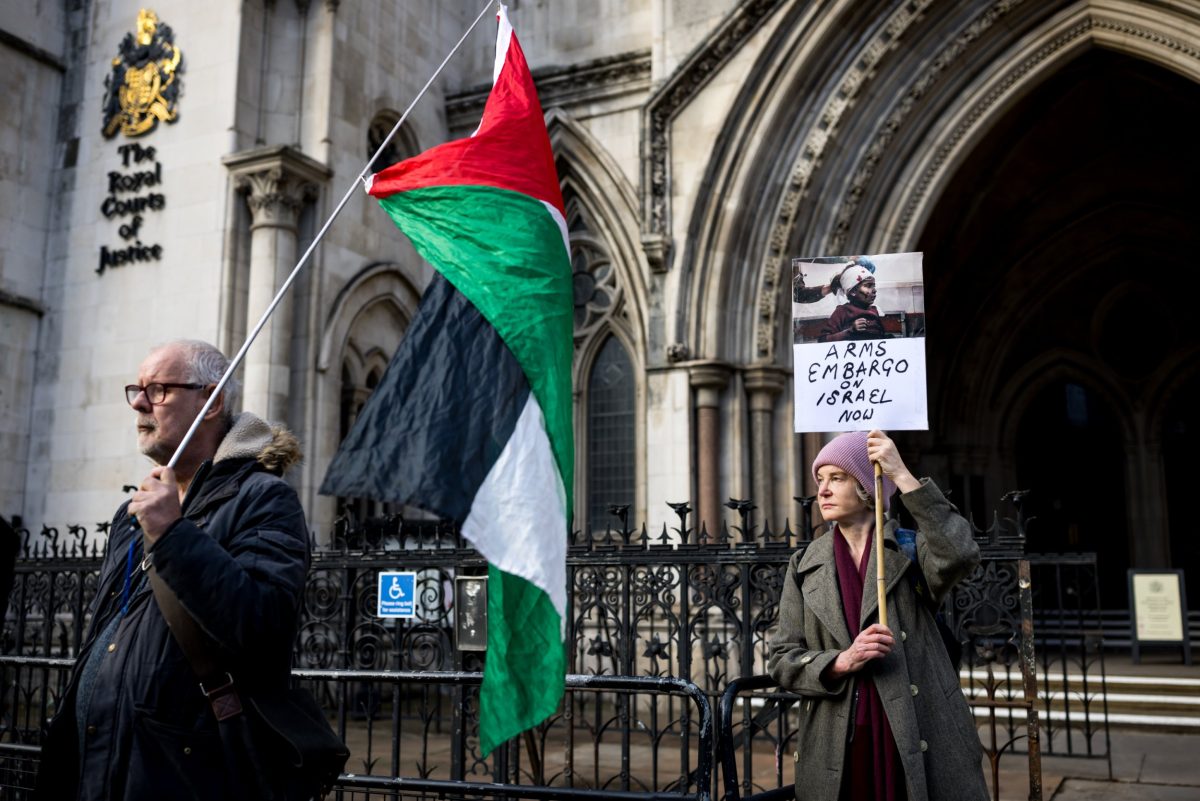
Sally Rooney, the best-selling Irish author, may see her works withdrawn from sale due to her support for the protest group Palestine Action, which is facing a ban in the UK. Rooney has been a financial supporter of the group and recently defended her stance in a High Court case concerning the group’s proscription, which she argues could make it illegal for her to receive royalties, reports BritPanorama.
In her statements during the High Court proceedings, Rooney elaborated on her concerns about the implications of the ban. She articulated that if Palestine Action remains banned, it could lead to the withdrawal of her books from UK markets. “The disappearance of my work from bookshops would mark a truly extreme incursion by the state into the realm of artistic expression,” she stated, highlighting the precarious nature of artistic rights under governmental restrictions.
This legal challenge is emblematic of the tense intersection of politics and culture in contemporary Britain. The UK’s Labour leadership, including Keir Starmer and Yvette Cooper, took decisive action against Palestine Action after activists vandalised RAF Brize Norton in June 2025, which they claimed resulted in significant financial damage.
The court case emphasizes the complexities surrounding the right to protest in the UK, with Huda Ammori, co-founder of Palestine Action, spearheading the challenge against the ban. Rooney’s involvement in the case underscores the broader implications of state actions on freedom of expression, a principle upheld by various democratic institutions globally.
Rooney’s situation has garnered attention not only for its legal ramifications but also for the ethical questions it raises about the role of artists and their rights within a democratic society. “If… Faber & Faber Limited are legally prohibited from paying me the royalties I am owed, my existing works may have to be withdrawn from sale,” she expressed, alluding to the chilling effects of the current environment on creative expression.
As the case unfolds, there are concerns regarding the potential repercussions for Rooney and other artists. The independent producer of the BBC adaptations of her novels has indicated that any funding of Palestine Action through her royalties could constitute a terrorism offence, further complicating her ability to work in the UK under the current proscription.
Rooney’s statements reflect her belief in protest as a vital component of democratic expression, aligning herself with a legacy of civil disobedience. “I myself have publicly advocated the use of direct action, including property sabotage, in the cause of climate justice,” she noted, making a case for a consistent stance on activism across various causes.
The outcome of this legal battle is yet to be determined, but it raises significant questions about the future of artistic freedom in the UK. Without overturning the ban on Palestine Action, the country risks moving further toward a repressive climate where artistic expression may be stifled.
As debates surrounding free speech and expression intensify, many await clear support from free speech advocates for Rooney’s situation. The discourse on free expression often becomes complex when intersecting with contentious geopolitical issues, revealing divisions in public sentiment regarding the Palestinian cause.
The implications of Rooney’s case could extend beyond her personal career, potentially impacting a broader range of artists who express solidarity with Palestine. In recent years, numerous creators who have spoken out against Israeli policies have faced backlash, illustrating a troubling trend where artistic expression is contingent on political alignment.
Rooney’s commitment to her beliefs, even amidst risks to her literary career, calls for a re-evaluation of the boundaries of artistic freedom in an increasingly polarized environment. The implications of the court’s decision will be anxiously observed as they could set a significant precedent for the interplay of expression, politics, and the rights of individuals in the UK.