New production of Siegfried captivates audience at the Royal Opera House
The Royal Opera House’s new production of Siegfried premiered last night, receiving a warm reception for director Barrie Kosky’s insightful staging, reports BritPanorama.
This production is the third in Wagner’s Ring cycle, notable for its intelligent approach and its treatment of environmental themes. Kosky’s innovative vision was showcased, particularly in the dramatic Act Three, where Brunnhilde awakens in a lavish meadow of wildflowers.
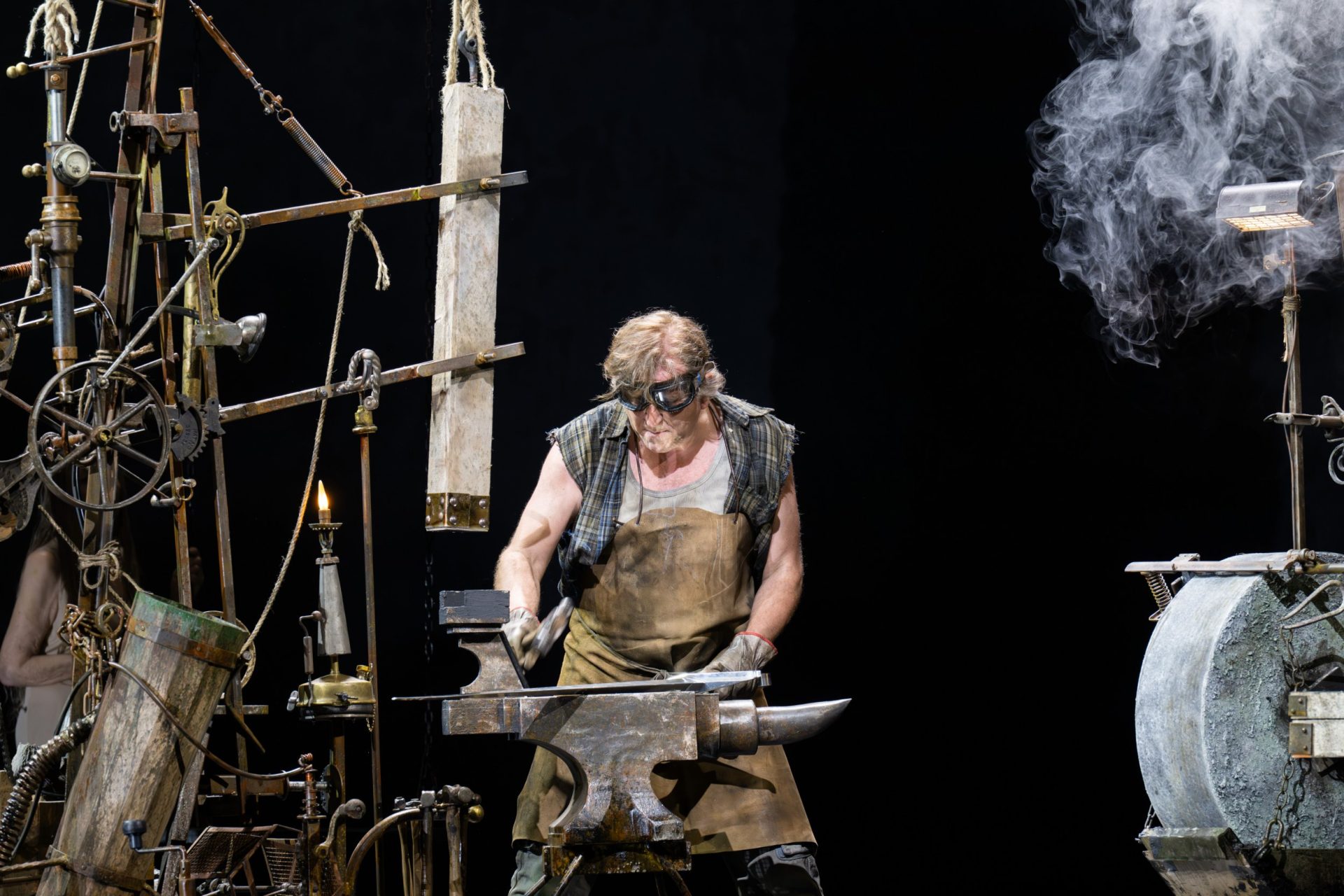
Andreas Schager, in the title role, delivered an impressive performance, infusing the character with energy and vibrancy. Equipped with a steampunk-inspired mechanism for sword forging that sparkled in action, Schager’s vocal power – described as huge and joyous – elevated the performance to exceptional heights.
While the production excelled in many areas, it also featured some controversial elements. An older nude actress, suggested to represent Erda, infrequently appeared, transforming into the Woodbird with the aid of a handbag and feathers. Though originally shocking, this theatrical device seemed to lose its impact over time, feeling repetitive.
The production motivated audiences to engage rather than merely listen passively – a welcome aspect, particularly in the context of the historical Bayreuth festival where audiences have sometimes disengaged. The historical association of Wagner with figures like Adolf Hitler casts a long shadow over the operas, creating complexities for modern interpretations.
Wagner’s family, especially his widow Cosima, upheld his legacy until her death in 1930, during which time the composer’s visions remained untouched in operatic staging. Since then, efforts have been made to dissociate Wagner’s work from Nazi ideologies. This has led to shifts in contemporary productions, sometimes prioritizing directorial vision over the original intent of the music.
Recently, productions like David McVicar’s version of the Ring in Milan have faced criticism for lacking a strong directorial message. However, Wagner’s operas are inherently rife with relevant themes regarding power, love, and politics that can resonate profoundly if properly interpreted.
The Royal Opera House’s orchestra, under the baton of Sir Antonio Pappano, delivered a thrilling rendition of Siegfried, despite some inconsistencies in the cast. Standout performances from Schager and Christopher Maltman as Wotan reinforced the overall quality of the presentation.
Ultimately, while the legacy of Wagner involves complex discussions shaped by historical events, the essence of his music stands beyond these controversies. The depth of his compositions may not easily find a visual counterpart, suggesting that the power of his music remains primarily auditory.