US attacks fuel Iranian resilience, says Sky News reporter
President Trump is facing significant challenges as his military strategy in Iran unfolds, having misjudged the strength of Iranian resistance to air bombardment, reports BritPanorama.
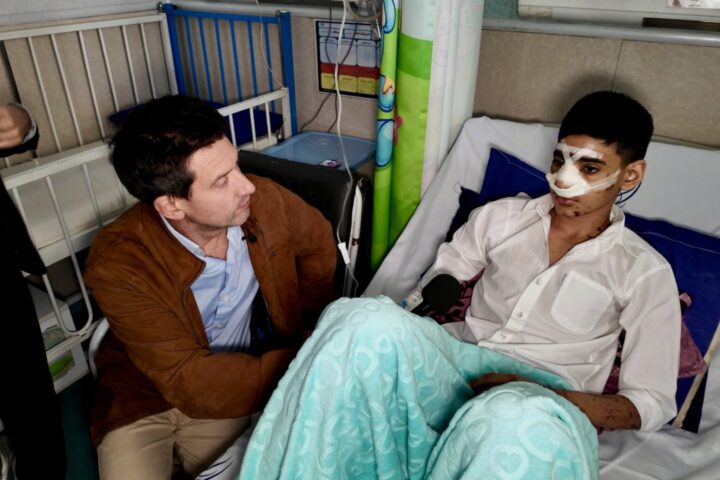
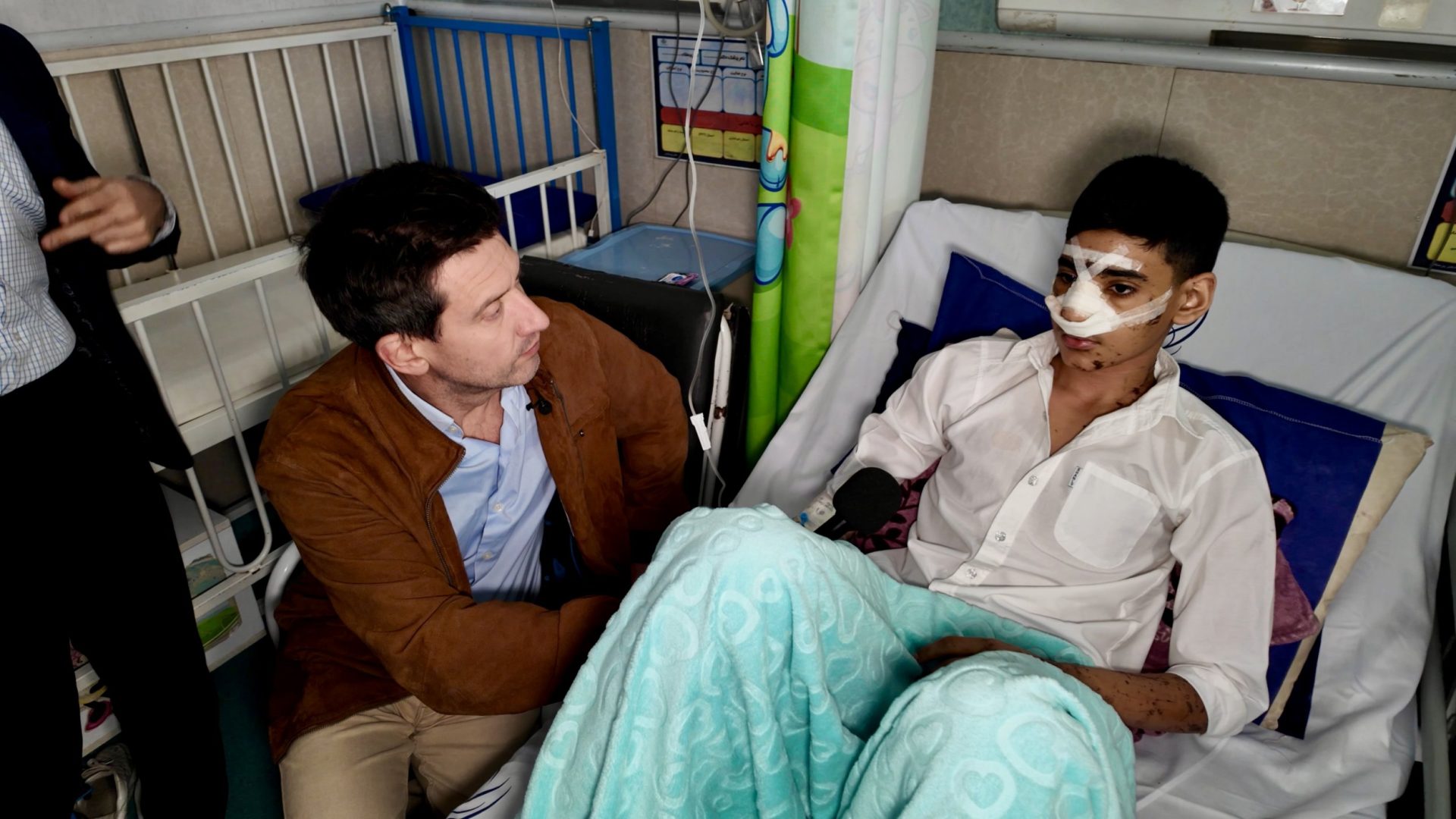
In a recent analysis, Sky News’s International Affairs Editor Dominic Waghorn detailed his experience as the first UK journalist reporting from within Iran since hostilities escalated. During his week in Tehran, he observed a “terrified” populace enduring the consequences of a US-led “precision bombing” campaign.
Waghorn noted that America’s hopes of inciting a popular uprising by eliminating the Iranian regime’s leadership are proving unfounded, as civilians increasingly place blame on the US for the ongoing death and destruction.
“I’ve seen what weeks of bombardment can do to a people,” Waghorn told The i Paper. “If you’re an ordinary Iranian, not knowing if the building next door to you is going to be a target on some list in Tel Aviv or in Washington, it’s terrifying.”
He recounted instances where Iranians privately acknowledged the need for change but directed their anger at external forces rather than their own government. For instance, he reported witnessing a four-year-old girl in intensive care from injuries sustained during a missile attack.
“If you’re terrified and not able to get the food you need, and not knowing if your children are going to wake up the next morning, you blame the enemy attacking you, more than your own government,” he said, describing a woman whose hands were “literally shaking” in fear.
Resistance rooted in culture
Waghorn, who has reported from various conflict zones, emphasized that the US has underestimated Iran’s historically ingrained culture of resistance, which frowns upon any change imposed from outside. He noted that Iranian leaders appear well-prepared for prolonged hostilities, swiftly replacing any officials who are killed.
“They were ready to attack the Qatar gas facility. They’ve been able to jack up the oil price. As long as they hold the Strait of Hormuz, they hold a big card,” Waghorn stated, suggesting that US analysts anticipated a quick resolution akin to the situation in Venezuela but have not formulated a viable plan B.
“What Trump says has been totally contradictory. He’s dressing it up as victory, saying we’ve achieved regime change, even though the change they’ve achieved is producing an even more hardline regime, which clearly wasn’t the intention at the beginning,” he added.
Insider reports amid restrictions
Despite the Iranian regime’s control over internet access and reliance on state media for propaganda, Waghorn asserted that his reports are not censored. He explained that he does not adhere to the narrative typically presented by other broadcasters, which often highlight the constraints journalists face in Iran.
“In every war there are constraints on you. In Russia in Ukraine, in Israel or Gaza, we don’t say it in those conflicts. We don’t believe we are reporting in Iran under restrictions,” he remarked, highlighting the trust he received from individuals he interviewed.
Waghorn noted that he does need to request permission from the Culture Ministry to report from specific sites, such as hospitals or funeral events, where he has engaged with mourners without incurring hostility. He operates without a “minder,” relying instead on a translator, but recognizes the difficulty of obtaining candid criticism from the populace.
Rejecting accusations of amplifying Iranian propaganda, Waghorn stated, “It comes with the territory. I was Middle East correspondent for five years. I think some of it is bad faith actors and some of it is confected and calculated to put pressure on you.”
“A lot of it is genuine and very heartfelt. And it’s a region that generates passion and strength of feeling. You have to know your own worth,” he concluded.