Changes in ‘The Traitors’ make for a less enjoyable experience
Last night’s episode of The Traitors showcased a particularly harsh challenge that left one contestant, Sam, feeling rejected and isolated, a state he likened to being the last picked in a school sports setting, with implications that extend beyond mere gamesmanship, reports BritPanorama.
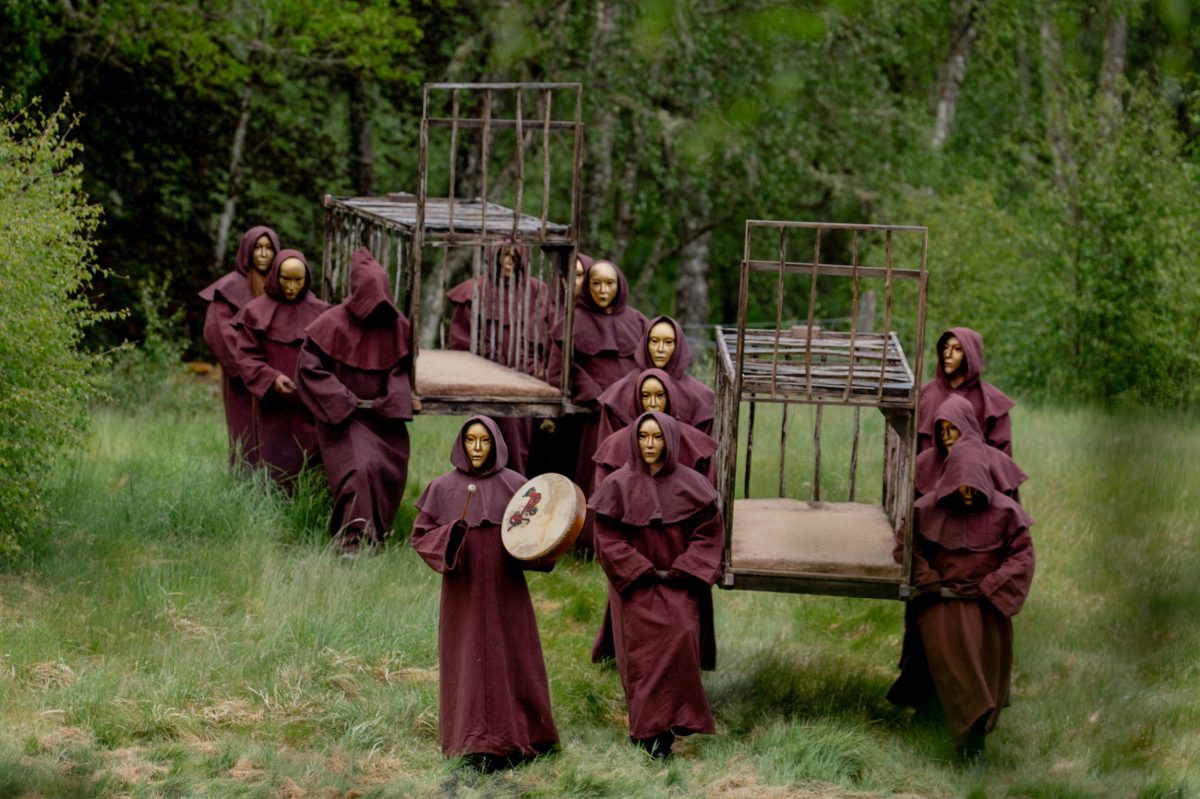
During the challenge, players were instructed to select a partner whom they wished to save from elimination. Sam’s selection left him alone in a cage, triggering discomfort among the viewers and raising questions about the show’s increasingly cutthroat atmosphere. This season contrasts sharply with previous iterations where camaraderie and collective purpose were prevalent, as players seem more guarded and individualistic this time around.
A shift in the mindset of contestants is evident; most appear to have deliberately entered the game hoping to assume the role of a Traitor. This objective alters the dynamics, fostering an environment steeped in mistrust and competition rather than collaboration. Contestants actively inclined to sabotage one another, such as Fiona—the latest revealed Traitor—are significantly reshaping the atmosphere of the show.
The roots of these changes can be traced to a host of factors, including preconceived connections among contestants. Observations suggest that many players already know each other well, which impacts their interactions. For instance, partnerships like Ross and Ellie, and mother-daughter duo Judy and Roxy, are indicative of a pre-existing web of relationships. This familiarity may inadvertently fuel suspicion and prevent the organic development of new alliances, ultimately impeding the show’s hallmark narrative of evolving interpersonal relationships.
Typically, The Traitors thrives on the interplay of trust and betrayal, capturing moments of genuine camaraderie. Historical cases, like that of Faithful Molly from series two, serve as reminders of how engaging and dramatic the show can be when trust is at stake. Now, however, intrigue has diminished—the narrative relies heavily on accusations without the foundation of real trust, rendering betrayals less impactful.
Despite the shift towards a more tactical and self-serving gameplay, it raises the question: does this truly create compelling television? While the Faithfuls are outsmarting the Traitors, the essence of the viewing experience should ideally encompass more than mere survival. It is about building connections, facing moral dilemmas, and navigating complex social dynamics alongside the thrilling challenges.
In conclusion, if the contestants can begin to embrace a more cooperative spirit and unpredictability within their alliances, viewers might yet see a return to the show’s engaging roots. Until then, the current iteration feels devoid of the rich interpersonal drama that has historically made The Traitors a unique viewing experience.