2025 has emerged as a significant year for the art world, showcasing a range of exhibitions that reflect diverse themes and artistic expressions, reports BritPanorama.
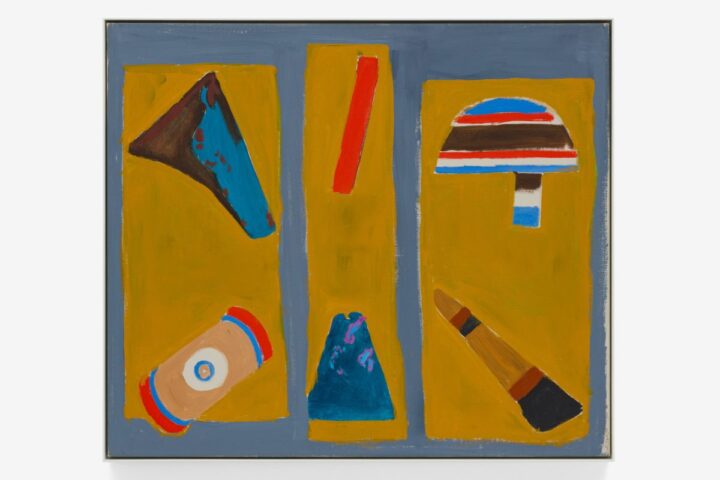
From high-profile events like the groundbreaking Constable & Turner at Tate Britain to vibrant celebrations of Nigerian Modernism at Tate Modern, art institutions across the UK have delivered compelling programmes. Smaller exhibitions, such as those featuring the influential Chilean photographer Paz Errázuriz, also captured critical attention. These events collectively contribute to a nuanced picture of the current art landscape.
The Courtauld Gallery continued to impress with its scholarly offerings, alongside Hampshire Cultural Trust in Winchester, which hosted a notable exhibition of Hans Coper’s lost murals. Dulwich Picture Gallery introduced a new sculpture garden, while the National Gallery’s renovations sparked discussion through its controversial rehang, highlighting a year filled with engaging exhibitions and significant artistic dialogues.
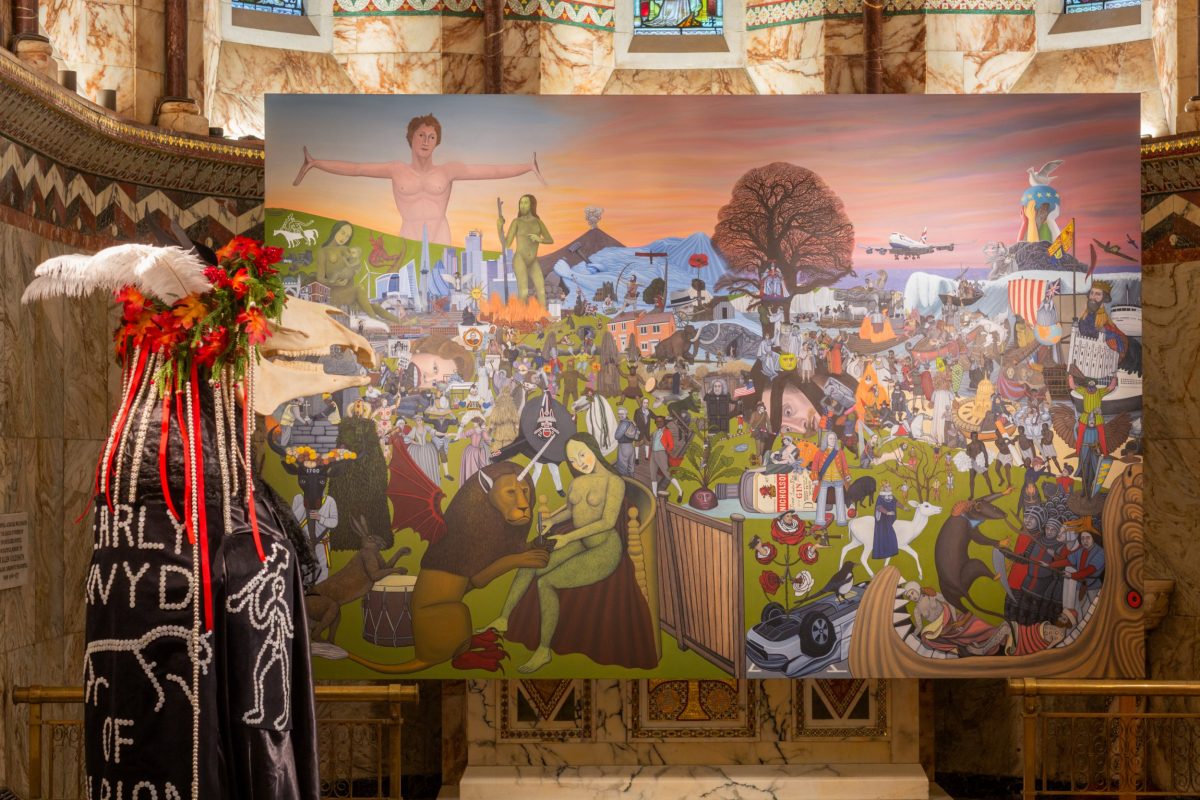
10. Ben Edge: Children of Albion, Fitzrovia Chapel
Though it has just closed, Children of Albion by Folk Renaissance pioneer Ben Edge made a lasting impression. This exhibition offered a passionate exploration of community and environmental care, staged in the intimate setting of Fitzrovia Chapel. Edge’s work, which draws inspiration from William Blake and prehistoric land art, provided a timely, meaningful retelling of British history. Anticipation builds for the chance to see Edge’s work in future exhibitions.
9. Wes Anderson: The Archives, Design Museum
Wes Anderson’s distinctive cinematic style is celebrated in the newly opened The Archives exhibition at the Design Museum. Featuring puppets, miniature sets, and storyboards from his films, this display reflects the intricate craftsmanship behind Anderson’s cinematic vision. The layout not only appeals to long-time fans but also entices newcomers to appreciate the creativity evident in his work.
Running until 26 July 2026, this exhibition presents an opportunity to delve into the artistry of a filmmaker whose attention to detail has garnered critical acclaim and a dedicated following.
8. Lee Miller, Tate Britain
The Tate Britain exhibition dedicated to Lee Miller is a milestone, presenting the largest collection of her work to date. A pivotal figure in the Surrealist movement and renowned for her WWII photography, Miller’s influence has been increasingly recognized, particularly after the release of the film Lee. Curated in collaboration with her descendants, the exhibition showcases both iconic and lesser-known images, inviting viewers to reassess her invaluable contributions to photography.
7. Tirzah Garwood: Beyond Ravilious, Dulwich Picture Gallery
Tirzah Garwood’s work takes centre stage in the Dulwich Picture Gallery’s winter exhibition. Best known as a wood engraver, Garwood’s creative output included marbling, collages, and surrealist paintings influenced by personal tragedy. The exhibition highlights her innovative spirit, revealing the complexity of an artist navigating domestic responsibilities while striving for creative expression.
6. Mary Kelly: We Don’t Want to Set the World on Fire, Pippy Houldsworth Gallery
In a thought-provoking exhibition at Pippy Houldsworth Gallery, American artist Mary Kelly examines themes of conflict and personal narrative through domestic materials such as tumble-drier lint. The exhibition, showcasing her recent works, connects personal stories with broader global issues, reflecting Kelly’s six-decade-long exploration of feminist conceptual art. Running until 24 January 2026, the display promises a unique lens on art and activism.
5. Siena: The Rise of Painting, 1300–1350, National Gallery
The National Gallery’s exhibition Siena: The Rise of Painting 1300–1350 celebrated its 200th anniversary with an exploration of the early masterpieces that defined Sienese art. This significant showcase reassembled multi-panel altarpieces, including Duccio’s famed Maestà, that had been separated for centuries, illuminating the remarkable artistic innovations of the period. The exhibition affirms the gallery’s commitment to cultural and historical scholarship.
4. Edward Burra, Tate Britain
The Tate’s retrospective on Edward Burra presents an opportunity to encounter the artist’s evocative watercolours that illuminate scenes from the Harlem Renaissance and a haunting portrayal of wartime realities. These works, derived from extensive archival research, reveal Burra’s unique talent and the lasting impact of his art on subsequent generations.
3. Wayne Thiebaud: American Still Life, Courtauld Gallery
Wayne Thiebaud’s first retrospective in a UK museum, American Still Life, at the Courtauld Gallery, showcases his iconic depictions of cakes and pies, reflecting personal nostalgia and wider societal changes. Running until 18 January 2026, the exhibition situates Thiebaud’s work within the context of American culture, inviting reflections on consumption and identity.
2. Letizia Battaglia: Life, Love and Death in Sicily, Photographers’ Gallery
Letizia Battaglia’s powerful photography is the focus of a significant survey at the Photographers’ Gallery. Renowned for her stark black-and-white images of Mafia violence in Palermo, Battaglia’s work poses important questions about justice and the personal risks of bearing witness. This highly anticipated exhibition invites critical engagement with the socio-political environment from which her images emerged.
1. Munch Portraits, National Portrait Gallery
Edvard Munch’s recent exhibition at the National Portrait Gallery offers a fresh perspective on his artistic contributions beyond his well-known angst-ridden works. Featuring a curated selection of 45 portraits, many previously unseen in Britain, this exhibition emphasizes Munch’s role in the cultural landscape of his era. It provides insights into his evolving style and the breadth of his subject matter, showcasing a more comprehensive view of this influential artist.