A recent list highlighting the most overrated novels, spanning from classic literature to modern works, has sparked discussions among literature enthusiasts. This selection includes 14 titles, regarded by some as lacking the depth or originality their acclaim would suggest, reports BritPanorama.
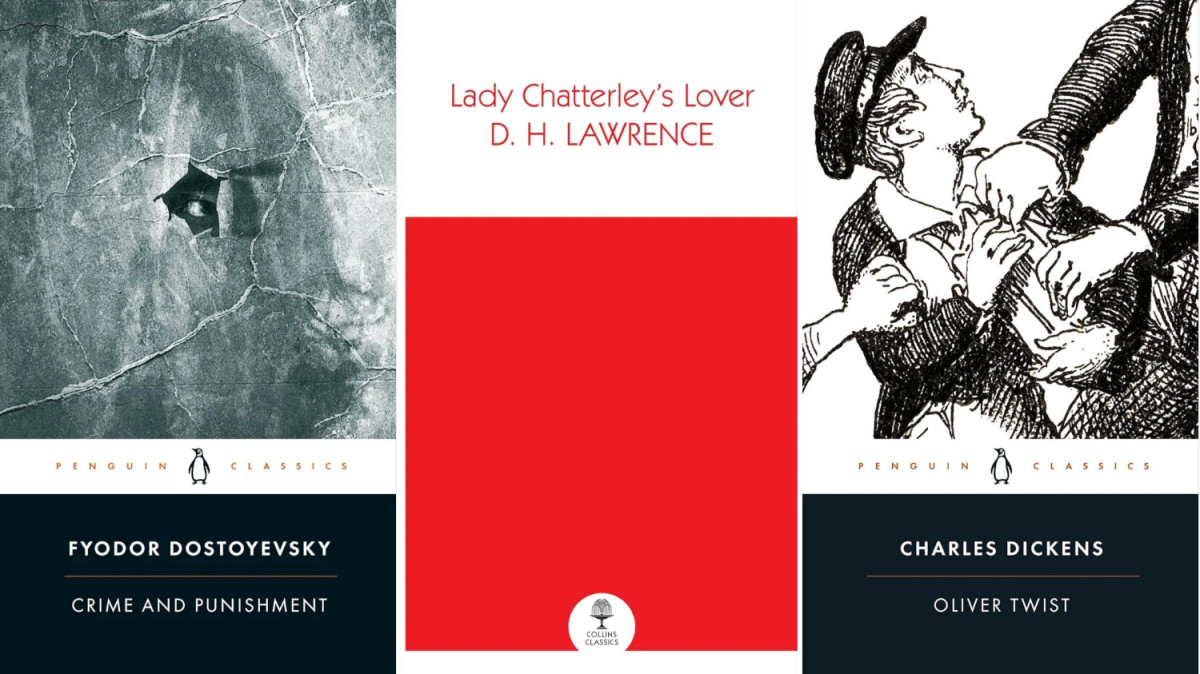
Among the highlighted works is Fyodor Dostoevsky’s Crime and Punishment, which features Raskolnikov, a character embroiled in moral dilemmas following the murder of two women. Critics argue that the book’s moral questions are too explicitly presented, detracting from its intended depth.
Charles Dickens’ Oliver Twist also makes the list, criticized for its simplistic plot and character portrayal, as well as accusations of antisemitic stereotyping surrounding the character of Fagin. Conversely, some readers still regard it as a significant contribution to Victorian literature.
DH Lawrence’s Lady Chatterley’s Lover is noted for its controversial depiction of an affair, yet it’s suggested that the novel’s sexual elements appear clunky and overly mystical. The work’s notoriety for obscenity has not necessarily translated into lasting literary acclaim.
F. Scott Fitzgerald’s Tender is the Night, although once viewed favourably, faces criticism for its inconsistent narrative and perceived lack of elegance compared to his earlier work, The Great Gatsby. Meanwhile, George Orwell’s Animal Farm, often cited in political discourse, is noted for its tediousness, despite its status as a political allegory.
Jack Kerouac’s On the Road, a hallmark of the Beat Generation, is seen as lacking depth compared to contemporaneous works, while John Updike’s Couples faces scrutiny for its perceived self-indulgence. Angela Carter’s Nights at the Circus is praised for its ambitious narrative but criticized for being a slog due to its imbalance of style and substance.
Tom Wolfe’s The Bonfire of the Vanities is acknowledged for its social critique but criticized for its characters and prosaic handling of themes. Bret Easton Ellis’s American Psycho is similarly noted for its exaggerated scenes, which some readers find lacking in satirical effectiveness.
Donna Tartt’s The Secret History captivates but ultimately disappoints in its intellectual aspirations, while Ian McEwan’s Amsterdam, a Booker Prize winner, is suggested to be one of his weaker offerings despite its accolades. Lastly, Zadie Smith’s White Teeth is mentioned for its sprawling narrative and perceived self-consciousness, overshadowing the complexity of its themes.
Each of these novels has elicited strong opinions, demonstrating how personal interpretation shapes literary valuation in contemporary discourse.