Literary twists have captivated readers for generations, transforming narratives in unexpected ways that challenge perceptions and heighten engagement. From classic Gothic tales to contemporary bestsellers, the art of surprise has proven influential across genres, reports BritPanorama.
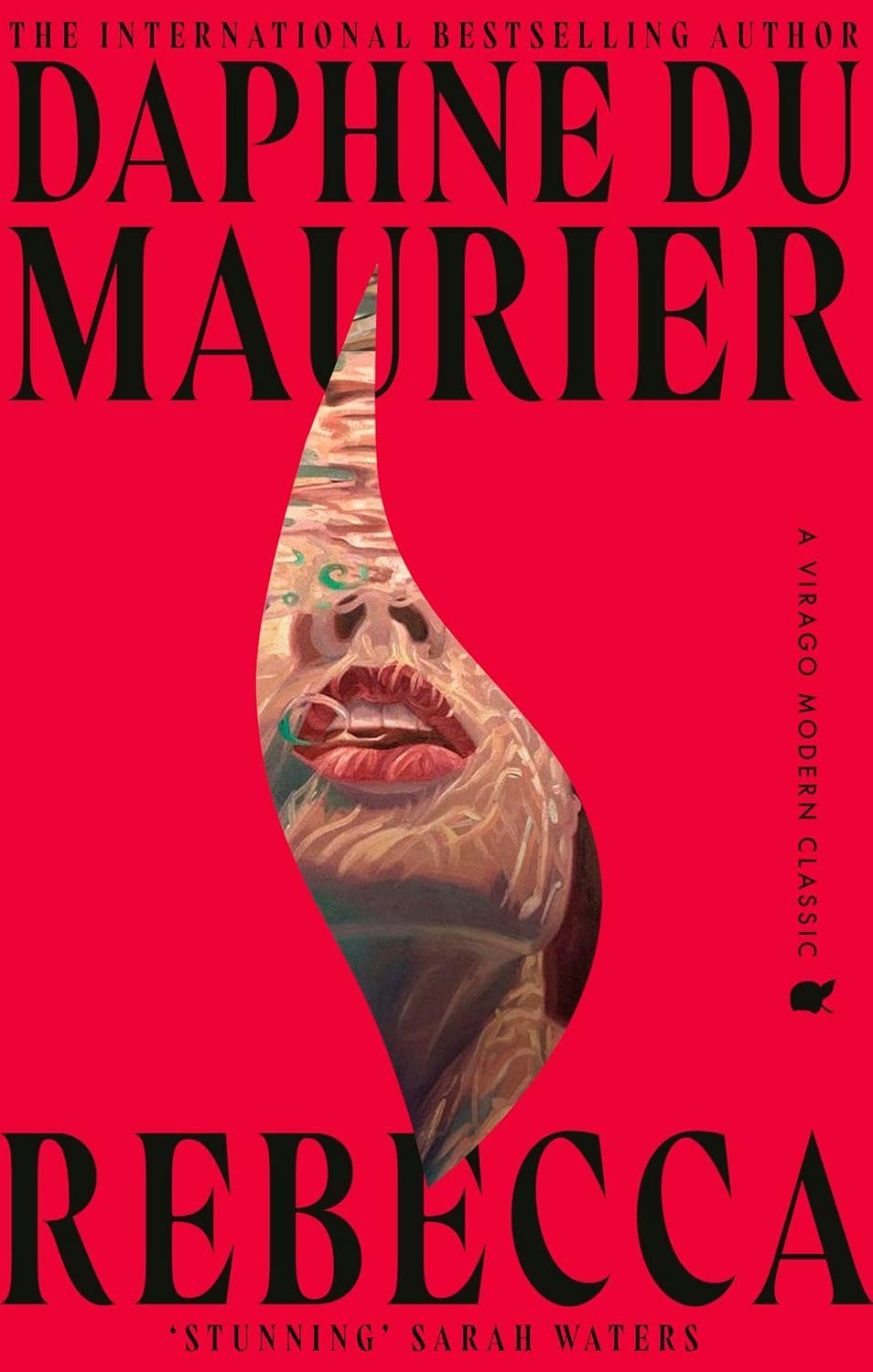
Rebecca by Daphne du Maurier
Published in 1938, this Gothic thriller is recognized as Daphne du Maurier‘s best-known work, melding psychological depth with eerie atmospherics. The plot unfolds through an unnamed narrator who marries the affluent Maxim de Winter, moving into the imposing Manderley estate, a place steeped in intrigue surrounding his perfect first wife, Rebecca, whose mysterious drowning looms large. Twists reveal Rebecca’s flawed nature and Maxim’s devastating secret, enhancing the novel’s tension.
We Are All Completely Beside Ourselves by Karen Joy Fowler
This 2014 novel delivers an impactful twist that astonishes Rosemary who, after her sister Fern vanishes when they are children, later confronts the disappearance of her brother. The narrative pivots dramatically a third of the way through, revealing vital details about Fern that compel readers to reconsider previous chapters, establishing the book’s reputation for its smart, humorous, and poignant storytelling.
Gone Girl by Gillian Flynn
Gillian Flynn’s Gone Girl became a cultural phenomenon, offering a dual narrative that reveals the disappearance of Amy Dunne and the ensuing suspicion cast on her husband, Nick. As diary entries illustrate a fraught marriage, the mid-novel shift discloses the unreliable nature of both protagonists, propelling the story into deeper realms of deception and narrative complexity.
Pride and Prejudice by Jane Austen
In this classic by Jane Austen, which may not fit the conventional thriller mold, a brilliant revelation occurs when the charming Mr. Wickham’s true character is exposed. Additionally, the transformation of Mr. Darcy into a secret savior of Lydia Bennet reflects Austen’s skilled use of character development to deliver unexpected twists of allegiance and integrity.
The Murder of Roger Ackroyd by Agatha Christie
As a hallmark of detective fiction, Agatha Christie’s The Murder of Roger Ackroyd introduces a pivotal twist that has kept readers engaged for nearly a century. Recognised by the British Crime Writers’ Association as possibly the best detective novel of all time, it features Hercule Poirot unraveling the intricate layers of deception that befuddle the investigation.
Fingersmith by Sarah Waters
In Sarah Waters’ Fingersmith, readers are led through the clever machinations of Sue, who believes she is outsmarting heiress Maud, only for a substantial perspective flip to reveal astonishing truths that redefine the story’s narrative progression.
The Good Soldier by Ford Madox Ford
Ford Madox Ford’s 1915 novel challenges readers through its non-linear narrative. The central character, John Dowell, appears oblivious to the manipulation of his relationships, prompting readers to question whether he is merely a pawn or a deeper player in an emotionally charged game, inviting reflection on the nature of perception and trust.
We Were Liars by E Lockhart
This young adult novel surged in popularity after its initial release in 2014 and a resurgence on social media in 2020. E Lockhart crafts a suspenseful narrative revolving around a teenager’s efforts to uncover the dark secrets of her dysfunctional family during a fateful summer.
Fates and Furies by Lauren Groff
The first half of Lauren Groff’s novel focuses on Lotto, a man idealising his wife Mathilde, until a significant narrative shift reveals her perspective, unearthing buried truths and complexities within their seemingly perfect marriage.
The Girl on the Train by Paula Hawkins
Another significant entry in the genre of unreliable narration, Hawkins’ novel presents Rachel, whose alcoholism defines her reality, as she becomes embroiled in a mystery that culminates in an unsettling twist, enhancing its gripping narrative appeal.
The Sense of an Ending by Julian Barnes
Winner of the Booker Prize, this novel reflects on memory and regret as Tony delves into his past friendship with Adrian and navigates the aftershocks of Adrian’s tragedy, culminating in a revelatory twist that examines the reliability of recollection.
Drive Your Plow Over the Bones of the Dead by Olga Tokarczuk
A murder mystery set in Poland, Tokarczuk’s work intertwines themes of animal rights and environmentalism with dark comedy, culminating in a twist that highlights an unreliable narrator’s perspective on mortality and justice.
The French Lieutenant’s Woman by John Fowles
In this post-modern novel, Fowles subverts traditional storytelling with three potential endings, allowing readers to explore divergent outcomes and thematic complexity regarding choice and consequence.
The Turbulent Term of Tyke Tiler by Gene Kemp
This children’s book is noteworthy for its twist regarding gender identity, enlightening young readers with clever narrative strategies that encourage reflection on societal assumptions, marking it as a pioneering work for its time.
Holly Williams’s novels The Start of Something and What Time Is Love? are published by Orion.