Some books reward slow, serious study – and some we rip through almost mindlessly. But in the middle, there’s something of a sweet spot: the brilliantly written page-turner, that has us staying up half the night muttering “just one more chapter”, or nearly missing our train stop because we’re so absorbed in the characters and invested in the story. Addictive, propulsive or just completely delicious, the following novels are all unputdownable, reports BritPanorama.
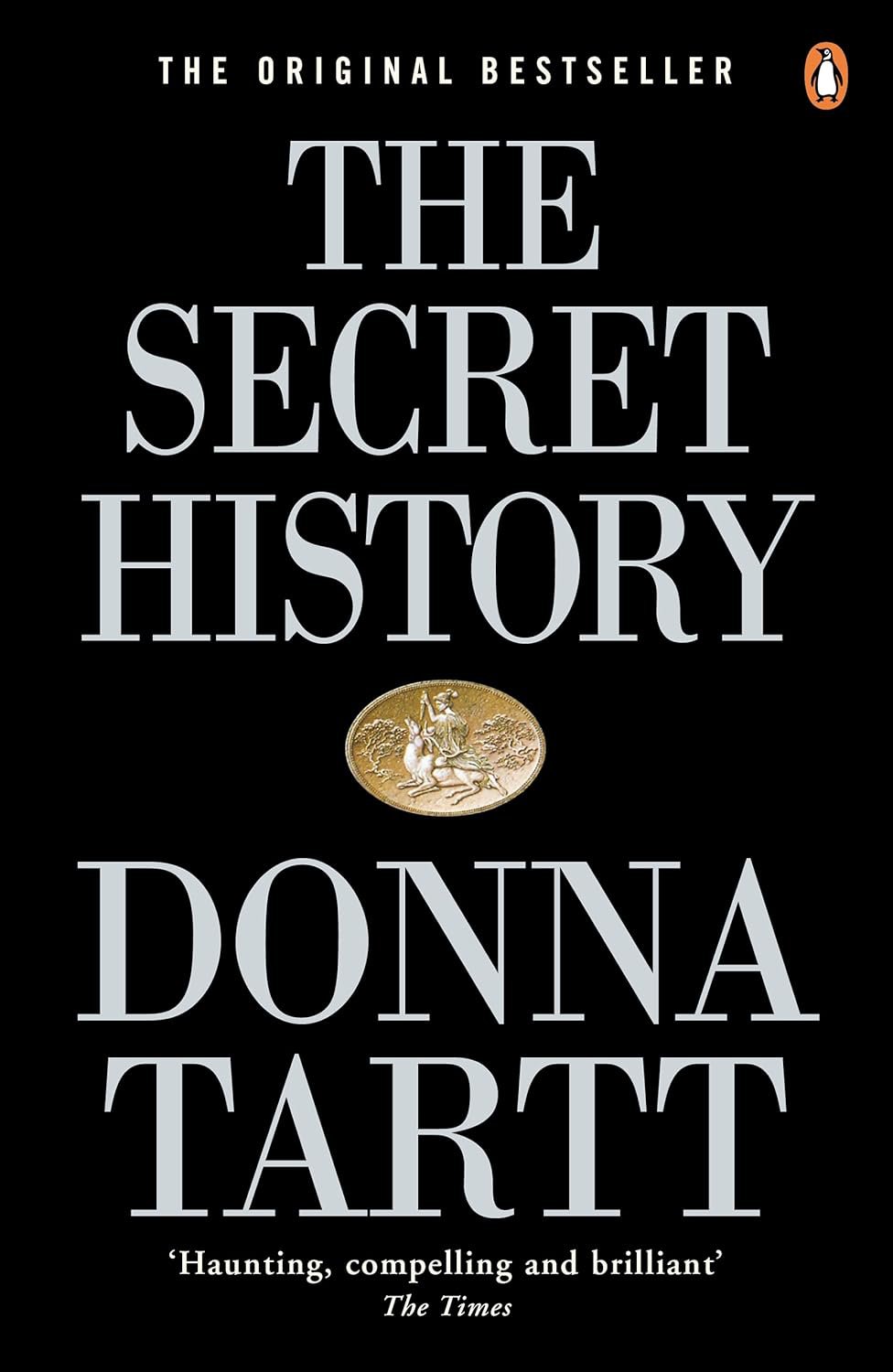
The Secret History by Donna Tartt
This 1992 novel launched Donna Tartt’s career, became an enduring modern classic, and even inspired the whole “dark academia” trend that arrived more than two decades later. Set in an elite Vermont university, it charts the events leading up to and after the murder of a classics student, and marries an alluring, seductive writing style with high-octane plot devices including Dionysian rites and blackmail. Darkly compelling.
The Neapolitan Quartet by Elena Ferrante
These books possess an uncanny power to absorb you entirely: while powering through My Brilliant Friend and the next three books in the series from the Italian writer, I probably felt more invested in the fraught friendship of Lila and Lenu than I did in my own life. Fully fleshed and beautifully realised, the quartet feels immersively real as it covers six decades of these women’s lives.
The Road by Cormac McCarthy
I remember being so desperate to finish this book that I read it while crying slow silent tears in the middle of a busy staff canteen one lunchtime, not caring who saw. Yes, The Road is harrowing – a grisly depiction of a post-apocalyptic world – but it’s also a moving depiction of a father-son relationship, and a truly gripping survival narrative.
A Tale of Two Cities by Charles Dickens
Let me be honest: I found this a tale of two halves, with the first section of the book a little slow going. But once it starts to gather pace, it absolutely hurtles. A searing story of the French Revolution, this 1859 novel has a satisfying redemption plot and a strong moral core, but it’s also packed with thrills, chills, and blood spills. By the end, the pages were flying.
Hamnet by Maggie O’Farrell
Unlike the recent film adaptation, Maggie O’Farrell’s novel plunges you straight into tragedy: Hamnet’s sister is sick and he can’t find the adults who might help them. The reader is whirled into a plot of breath-holding suspense, even if we know that it’s all leading inexorably to Hamnet’s death. When it comes, it still devastates. Compulsive and devastating.
Saturday Night and Sunday Morning by Alan Sillitoe
This 1958 novel rolls in like a drunken whirlwind, delivers a series of knock-out punches, and reels off again, unrepentant. In a tale of a hard-working, hard-drinking lothario named Arthur, who works at a factory in Nottingham, Sillitoe’s prose blazes off the page and helped ignite a whole new wave of kitchen sink realism and the Angry Young Men movement. The novel is certainly of its time – but it’s written with a kinetic energy that still carries the reader along.
All Fours by Miranda July
All Fours has been a phenomenon – a book that women can’t stop reading, can’t stop sharing, can’t stop talking about. I know it got me out of a reading slump, as one of those novels that makes you feel annoyed at real life for getting in the way of it. It follows a 45-year-old artist who checks into a motel and falls for a much younger man, but it’s also much wider than that, including vivid reflections on sex, the menopause, freedom, creativity, and how to live an authentic life in the face of your own mortality.
The Cazalet Chronicles by Elizabeth Jane Howard
There are five gorgeous books in The Cazalet Chronicles, charting the lives of several generations of one family from the 1930s to the late 1950s – and once you’re sucked into their domestic dramas and familial rhythms, you can’t escape. And nor will you want to: Howard’s books are wonderfully comforting, addictive reads, plush with characters you come to know hugely well. I feel jealous of anyone yet to crack open The Light Years, the first installment: what treats await.
The Handmaid’s Tale by Margaret Atwood
This is one of those stories that’s so embedded in the culture it’s hard to imagine it not existing – but go back to the original 1985 novel and Atwood’s perfectly realised dystopian vision about a patriarchal world where women are forced to have children still absolutely grips. The Handmaid’s Tale also feels as urgent – if not more so – today as when it was first published.
Yellowface by R F Kuang
A satire of the publishing industry might sound niche – but Kuang found a huge audience for this zippy, snappy, race-along thriller, published in 2023. Our white narrator steals an unpublished manuscript by her Chinese-American friend after her death, and passes it off as her own, and goes on to face accusations of cultural appropriation and plagiarism.
Room by Emma Donoghue
Talk about tense: Emma Donoghue’s novel begins as a claustrophobic affair, in which a five-year-old boy and his mother are being held hostage in a small room – the only world he’s ever known – until she plans a nail-biting escape. Written from the perspective of little Jack with stunning imaginative control, Room is unputdownable: moving but not mawkish, and riveting without being sensationalist.
To Kill a Mockingbird by Harper Lee
This 1930s-set story of racial injustice is also told from the point of view of a young narrator: Scout Finch, whose father Atticus is an upstanding lawyer determined to defend a Black man, Tom Robinson, falsely accused of rape. If its whiff of white saviour-ism hasn’t aged well, the novel nonetheless remains an enduring classic – its combination of courtroom drama, plucky coming-of-age story, and Southern Gothic continues to enrapture readers at all ages.
White Teeth by Zadie Smith
This hefty debut novel stunned readers, critics and juries when it was published in 2000. The 24-year-old Smith crafted a hugely ambitious, audaciously plotted story that reads like a love child of Charles Dickens and Salman Rushdie. It may be less pacy page-by-page than some on this list, but there’s an imaginative momentum to this story of immigrant lives in Britain that drives the often wild story forward.
Penance by Eliza Clark
Narrated by a fictional journalist as a true crime book, Eliza Clark’s clever second novel both revels in the uncovering of the nasty details of the torture and murder of a teenage girl, and forms a metacommentary on why we’re drawn to such grisly tales and to neat explanations for the evil behind them. It is not for the faint of heart, but the mystery at its core pulls you along – while also needling the reader into wondering why they feel entitled to any answers.
Holly Williams is the author of ‘The Start of Something’ and ‘What Time Is Love?’, published by Orion.