Mark Twain famously remarked that “a classic is something that everybody wants to have read but nobody wants to read.” However, a mix of both classic and contemporary novels is the ideal approach, as the former can greatly inform the latter. It is essential not to be daunted when diving into a classic novel. The 14 titles listed below have captivated readers for decades, some cherished for centuries, and they all offer a rewarding experience upon revisiting, reports BritPanorama.
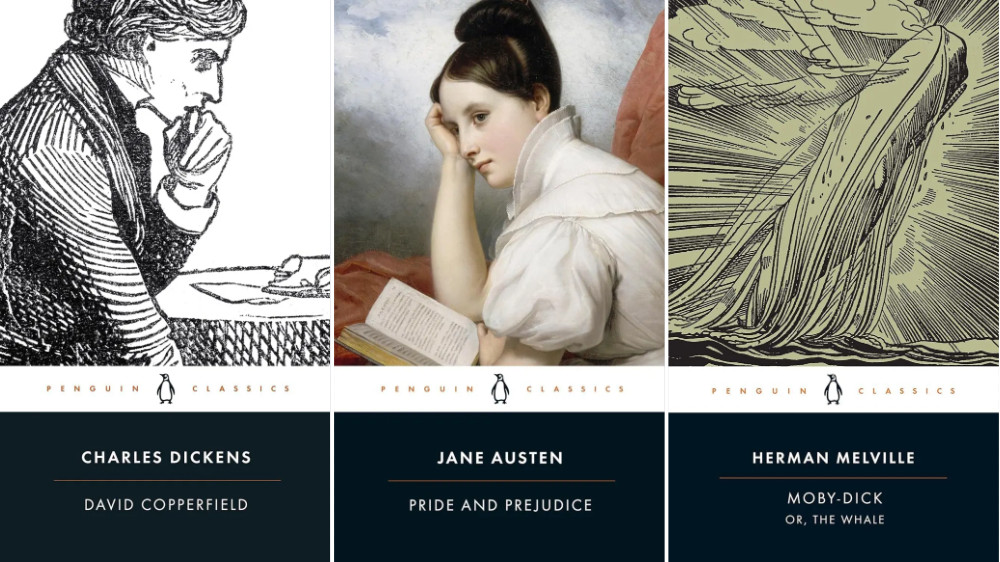
David Copperfield by Charles Dickens
This novel features a host of memorable characters such as Betsey Trotwood, Wilkins Micawber, and Uriah Heep, making it an engaging blend of comedy, heartbreak, and fluctuating fortunes. As an autobiographical work, it reflects Dickens’s own experiences and is considered his personal favourite.
Pride and Prejudice by Jane Austen
While Austen’s Emma delivers satirical comedy and Mansfield Park offers political depth, the story of Elizabeth Bennet and Mr. Darcy stands out for its mix of wit, wisdom, and romance. This masterpiece continues to capture new readers over 200 years after its publication.
Moby-Dick by Herman Melville
Melville’s writing poses profound existential questions through captivating descriptions of nature and adventures at sea. The novel follows Ishmael and Captain Ahab’s obsession with the titular whale, delivering a complex and unique reading experience, despite its notable length.
Madame Bovary by Gustave Flaubert
This novel delves into the themes of yearning and disillusionment, portraying the life of its shallow protagonist and her struggle against her confined existence. Flaubert’s work leaves a lasting impact, inviting readers to discover new elements upon each revisit.
Beloved by Toni Morrison
Toni Morrison’s poignant novel pays tribute to victims of the slave trade, presenting intertwined narratives of a family of former slaves and the haunting presence of a woman from their past. Its brutal exploration of the psychological and political legacies of racism delivers a powerful and lyrical reading experience.
Anna Karenina by Leo Tolstoy
The tragic affair between Anna and Vronsky is compelling, but the narrative’s richness is complemented by Levin’s journey, including his relationship with Kitty and insights into rural life. This classic remains timeless, showcasing both modernity and immortality in its themes.
Middlemarch by George Eliot
Eliot’s novel portrays the residents of a fictional Midlands town amid social change in the early 1830s. Through the characters of Dorothea Brooke and Will Ladislaw, it offers a nuanced examination of societal expectations, delivering relatable and recognisable struggles beyond 150 years since its publication.
The Portrait of a Lady by Henry James
This 1881 work recounts Isabel Archer’s journey through Europe, and her ensuing disillusionment after being manipulated into a marriage with Gilbert Osmond. Its early hints of modern narrative techniques reflect the beginning of a shift toward new storytelling styles.
In Search of Lost Time by Marcel Proust
Proust’s six-volume novel chronicles the passage of time through the experiences of a sensitive boy growing into adulthood. Its detailed depictions of family life and fleeting moments resonate universally, employing a distinctive narrative style that often surprises with its humour.
Ulysses by James Joyce
Joyce’s seminal work captures the essence of life in Dublin over a single day in 1904, featuring Stephen Dedalus, Leopold, and Molly Bloom. Its intricate literary allusions and stream-of-consciousness style might appear daunting, but they enrich the reading experience significantly.
Mrs Dalloway by Virginia Woolf
In this novel, set on a single day in London, Clarissa Dalloway prepares for a party while navigating her reflections on life. Woolf’s exploration of her protagonist’s perceptions—spanning past and present—provides a profound commentary on themes of time, class, and identity.
The Great Gatsby by F Scott Fitzgerald
Fitzgerald’s concise tale, exploring themes of American ambition and disillusionment, follows the life of Jay Gatsby and his love for the elusive Daisy Buchanan. Despite its brevity, its relevance endures as it questions the American Dream within a historical context.
Things Fall Apart by Chinua Achebe
The complex character of Okonkwo illustrates the conflicts within Igbo society and the effects of colonialism. As a clan leader striving against external influences, his imperfections reflect the multifaceted nature of human experience, paving the way for future African authors.
A House for Mr Biswas by V S Naipaul
This literary work deftly combines comedy and tragedy in the life of a man searching for stability in colonial Trinidad. Naipaul’s vivid prose captures the challenges of dreams versus reality, chronicling a poignant journey toward self-identity and achievement.