The Booker Prize judges often face criticism regarding their selections, as evidenced by the reactions to past winners and decisions. For instance, the 2023 win for Prophet Song by Paul Lynch was widely deemed controversial, while in 2019, the prize was split between Margaret Atwood for The Testaments and Bernardine Evaristo for Girl, Woman, Other, suggesting indecision among the judges, reports BritPanorama.
Ahead of this evening’s ceremony, where the 56th recipient will be awarded the £50,000 prize, a reflection on the 13 best novels that previously triumphed illuminates the depth of literary achievement recognized over the years. These stories span from apartheid South Africa to explorations of war, Indian independence, and nuanced depictions of English manners. Each novel remains both entertaining and thought-provoking, continuing to resonate with readers long after its author first stepped into the spotlight of literary acclaim.
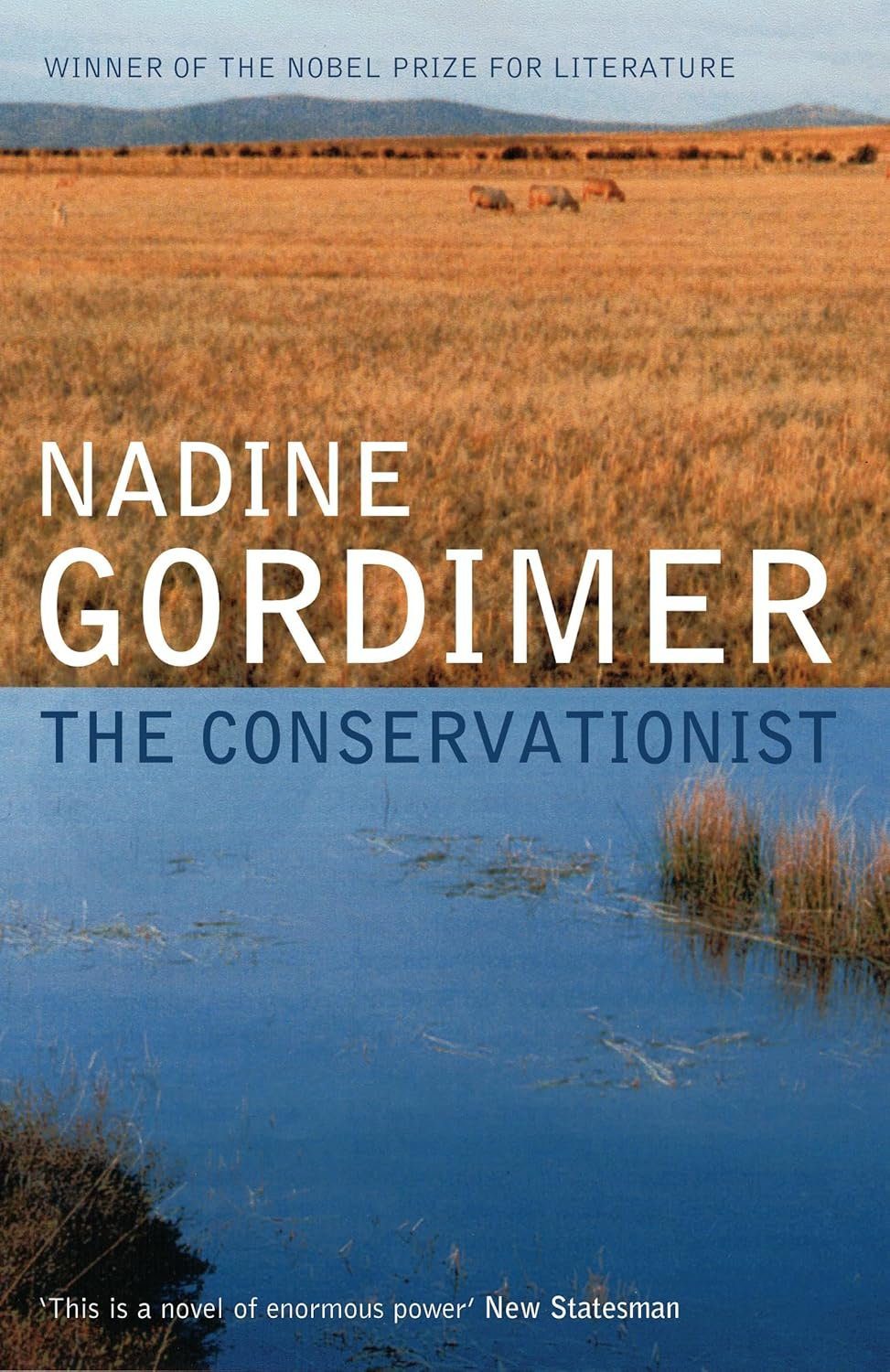
The Conservationist by Nadine Gordimer (1974)
This haunting narrative explores the relationship between a white farmer and his black foreman in apartheid South Africa. As drought, a heat storm, and a dead body surface, Gordimer reveals the underlying injustices of a fractured society. Her work stands as a compelling reminder of how artists can articulate responses to atrocities.
Midnight’s Children by Salman Rushdie (1981)
Salman Rushdie’s acclaimed novel immerses readers in a fantastical rendition of modern India through the experiences of Saleem Sinai, born at the moment of his country’s independence from British rule. The rich tapestry of storytelling, marked by digression and exuberance, offers an energetic examination of a nation’s tumultuous journey over three decades.
The Old Devils by Kingsley Amis (1986)
This overlooked work showcases Amis’s comic brilliance through a tale of marriage and friendship among Welsh retirees. While humor permeates the narrative, it is equally imbued with poignant reflections. Amis’s son, Martin, commented on the accuracy of the judges’ decision that year, affirming the merit of his father’s win.
Moon Tiger by Penelope Lively (1987)
With elegance, Lively captures the life of a septuagenarian historian who reflects on her past while chronicling broader histories. The narrative elegantly shifts through time, blending personal memories and world events, exposing the intricacies of human experience during the Second World War.
The Remains of the Day by Kazuo Ishiguro (1989)
In Ishiguro’s masterful tale, Stevens, an aging English butler, travels to confront his past and the unfulfilled connections in his life. This deeply felt story examines themes of duty and social class, revealing the intertwined nature of personal and national histories through the lens of an imperfect protagonist.
The English Patient by Michael Ondaatje (1992)
The narrative unfolds within a bomb-damaged Italian church, centering on a severely burned patient and a diverse ensemble of characters. Ondaatje skillfully interweaves themes of war, identity, and memory, making for a profoundly woven exploration of human connections amidst chaos.
The God of Small Things by Arundhati Roy (1997)
Roy’s debut novel delves into the lives of twins Estha and Rahel and their experiences against the backdrop of India’s social and political changes. The narrative dissects the complexities of family, caste, and colonial legacy, continuing to garner attention for its rich thematic resonance and stylistic innovation.
Disgrace by JM Coetzee (1999)
This provocative exploration of post-apartheid South Africa addresses moral complexities when a white academic faces life-altering consequences following misconduct allegations involving his daughter. Coetzee’s clear prose invites readers to grapple with profound ethical dilemmas in a society undergoing transition.
The Line of Beauty by Alan Hollinghurst (2004)
Hollinghurst’s novel captures the vibrant life of Nick Guest during 1980s Britain, interweaving personal narratives with broader societal issues. As he navigates love, loss, and the emerging crisis of AIDS, the novel poignantly reflects the struggles of identity and belonging within a changing cultural landscape.
Wolf Hall by Hilary Mantel (2009)
Mantel vividly brings Thomas Cromwell to life in a sweeping historical narrative that deftly merges thorough research with compelling storytelling. Through meticulous character development, the novel immerses readers in the tumult of 16th-century court politics, highlighting Cromwell’s influence within this intricate backdrop.
The Luminaries by Eleanor Catton (2013)
With her sprawling narrative set during New Zealand’s 19th-century gold rush, Catton crafts a richly interwoven tale of opportunity and intrigue. The complexities of her plot and characters defy the expectations of length, showcasing Catton’s prowess in maintaining reader engagement through intricate storytelling.
Lincoln in the Bardo by George Saunders (2017)
Following his acclaimed career as a short story writer, Saunders delivers an innovative novel filled with voices from a graveyard setting. Centered on Abraham Lincoln mourning his son, this experimental yet accessible work deftly navigates complex themes of loss and identity through its polyphonic narrative.
Milkman by Anna Burns (2018)
Set against a backdrop reminiscent of Belfast during the Troubles, Burns’s unique narrative follows a young woman enveloped in her community’s complexities. The text’s distinct style and engaging storytelling challenge the reader’s understanding of conflict and individuality, securing its place as a standout winner of the past decade.