The publication of a list detailing ten controversial books that should never have been published has sparked discussions about authorial intent and the publishing industry. The works in question include titles that authors either regretted releasing or did not wish to see the light of day, raising questions about accountability within publishing, reports BritPanorama.
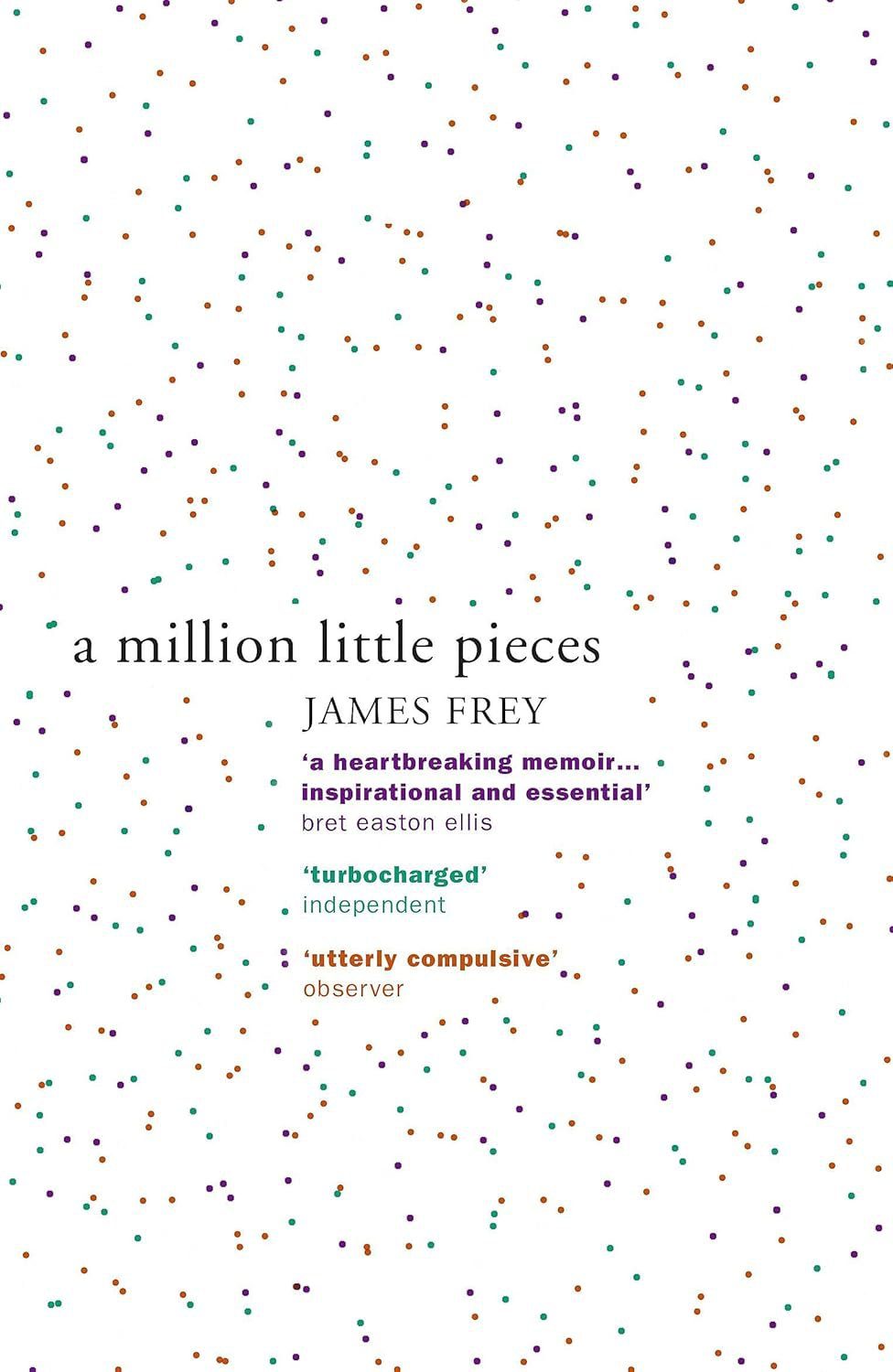
Among the entries is *A Million Little Pieces* by James Frey, a memoir once heralded for its candid portrayal of addiction. Following revelations of fabrications, Opra Winfrey, who had previously endorsed the book, expressed feeling “duped.” The fallout saw refunds offered and the work repackaged as fiction. Frey’s latest endeavor, *Next to Heaven*, has since drawn pointed criticism, with one reviewer describing its impact as akin to an emotional decline.
Another notable mention is *Seventy-Two Virgins* by Boris Johnson. Through a farcical narrative, the book purportedly reflects Johnson’s political character, laden with controversial elements. Critics have argued that its content may have disqualified him from public office, suggesting broader implications about the intersection of literature and political ethics.
*If I Did It: Confessions of the Killer* by O.J. Simpson, which sought to profit from infamous murders, faced backlash from victims’ families. Originally shelved due to its contentious nature, it was ultimately published after a legal battle, prompting accusations of moral bankruptcy associated with its publication.
The Original of Laura by Vladimir Nabokov (2009)
In contrast, *The Original of Laura* represents an instance of a work contrary to its author’s wishes. Vladimir Nabokov directed his executors to destroy it upon his death, asserting it was unfinished. Nevertheless, his son ultimately permitted its publication, a decision that drew rebuke from some, including prolific writer Martin Amis, who highlighted signs of decline in Nabokov’s prose.
Aftermath by Rachel Cusk (2012)
Rachel Cusk’s *Aftermath*, while exploring themes of marriage and divorce, faced harsh criticism for its portrayal of personal life. Despite dissenting opinions about its content, Cusk has hinted that the work was crucial for her development as a writer, indicating the nuanced role of self-exploration in her literature.
Go Set A Watchman by Harper Lee (2015)
Harper Lee’s *Go Set A Watchman* arrived 55 years post-*To Kill a Mockingbird*. It was widely perceived as an early draft rather than a sequel, and there were concerns regarding Lee’s mental fitness to approve its publication. This led to broader discussions about the treatment of legacy authors and the ethical considerations in releasing works they may not have sanctioned.
The Salt Path by Raynor Winn (2018)
Raynor Winn’s memoir, *The Salt Path*, became a bestseller but faced scrutiny after allegations surfaced claiming it was partially fabricated. An investigation by *The Observer* raised questions about the authenticity of her narrative, complicating public perception of her as a credible voice in memoir literature.
Philip Roth: The Biography by Blake Bailey (2021)
In a further example, *Philip Roth: The Biography* by Blake Bailey faced a tumultuous release after allegations of misconduct against the biographer emerged, leading to debates regarding the integrity of works influenced by controversial figures. Bailey’s prior portrayal of Roth’s treatment of women came under renewed scrutiny amidst this context.
The Making of Another Major Motion Picture Masterpiece by Tom Hanks (2023)
Lastly, the novel by Tom Hanks, while laden with potential insights into the film industry, has been deemed overlong and lacking the engaging charm associated with his acting career. The criticism underscores the challenges faced by celebrities in transitioning to literary endeavors.
Until August by Gabriel Garcia Marquez (2024)
The posthumous publication of *Until August* by Gabriel Garcia Marquez, which he did not wish to release, raises profound ethical questions about creative autonomy. The decision by his heirs to publish an unfinished work has led to criticisms of it as an unnecessary addition to his celebrated bibliography, drawing attention to the complexities surrounding legacy and the artist’s intent.