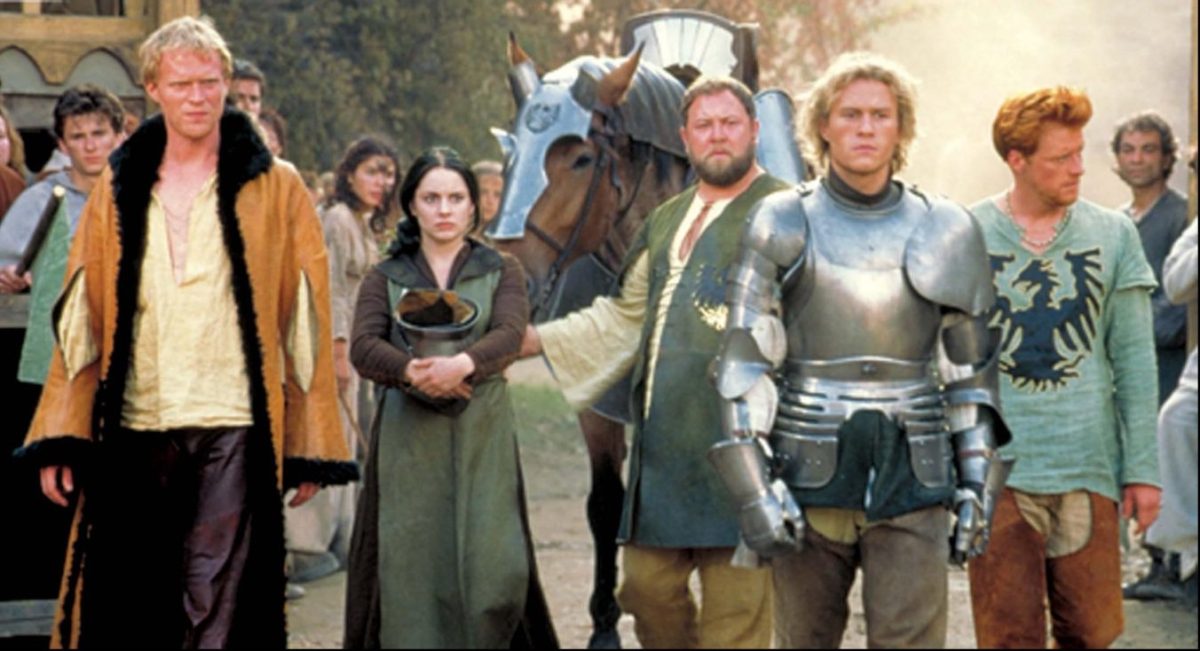
Recent developments in the film industry have spotlighted supporting actors who have outperformed their leading counterparts, challenging the traditional narrative of star power. This trend illustrates how compelling performances from lesser-known actors can enhance the overall quality of a film, prompting their more established co-stars to elevate their game as well, reports BritPanorama.
One striking example is Paul Bettany in A Knight’s Tale, where he portrayed Geoffrey Chaucer opposite Heath Ledger. When Bettany was cast, he was relatively unknown, and his inclusion only happened after significant advocacy from director Brian Helgeland. Bettany’s performance, marked by comedic brilliance, proved pivotal. His early introduction, starkly hilarious as he emerges covered in mud, provides a captivating contrast that elevates Ledger’s more stoic portrayal.
Ryan Gosling in Barbie
In Barbie, Ryan Gosling’s portrayal of Ken added a significant comedic and emotional depth to the film, contrary to initial concerns about his age for the role. Greta Gerwig’s screenplay, laced with commentary on patriarchy, serves as a backdrop for Gosling’s character to shine. His humorous interactions, particularly in conversations with his peers about cultural touchstones, resonate with audiences and add layers to the narrative.
Robin Williams in Good Will Hunting
Robin Williams’ role in Good Will Hunting showcased his ability to infuse profound wisdom into the film. While Matt Damon and Ben Affleck’s youthful exuberance drives the narrative, Williams’ portrayal of a therapist adds necessary depth, transforming the film from a lively indie feature into a poignant exploration of growth and potential. His performance won him an Academy Award, confirming his status as the film’s emotional core.
Viola Davis in Doubt
In her brief yet impactful role in Doubt, Viola Davis delivers a performance that transcends the limits of her screen time. She faces off against Meryl Streep’s formidable character, effortlessly commanding attention with a quiet intensity that resonates deeply with viewers. Her poignant monologue about her son serves as a powerful moment in the film, showcasing her exceptional talent and earning her an Oscar nomination.
Jamie Lee Curtis in Everything Everywhere All At Once
Jamie Lee Curtis’ performance in Everything Everywhere All At Once highlighted the film’s absurdity, contrasting sharply with the earnest performances of her co-stars. Her portrayal of a bureaucrat is infused with surreal energy, mirroring the film’s chaotic narrative. Curtis’ ability to navigate various comedic levels won her an Oscar, marking a triumph in her career.
Alan Rickman in Die Hard
Alan Rickman’s portrayal of Hans Gruber in Die Hard remains iconic, despite it being his film debut. His sophisticated villainy stands out against Bruce Willis’s action hero, creating a compelling dynamic. Rickman’s charisma in this role defines the film, positioning Gruber as a memorable character whose intelligence and charm resonate with audiences long after viewing.
Heath Ledger in The Dark Knight
Heath Ledger’s portrayal of the Joker in The Dark Knight evoked a striking transformation of the character. His rendition, rooted in chaos and unpredictability, overshadowed Christian Bale’s Batman, significantly altering public and critical perceptions of comic book villains. Ledger’s performance earned him a posthumous Academy Award, solidifying his legacy within cinematic history.
Melissa McCarthy in Bridesmaids
Melissa McCarthy’s performance in Bridesmaids injected a lively energy that redefined her character. Her improvisational style brought a refreshing spontaneity that outshone her co-stars in a film focused on friendship and love. McCarthy’s ability to capture both humor and heart made her one of the most memorable aspects of the film.
Emily Blunt in The Devil Wears Prada
In The Devil Wears Prada, Emily Blunt effectively shared the screen with Anne Hathaway and Meryl Streep, adding a blend of humor and poignancy to her role as a personal assistant. Her representation of the pressures faced in a high-stakes environment resonated, making her a standout performer and integral to the film’s success.
Christopher Waltz in Inglourious Basterds
Christopher Waltz’s chilling performance as SS officer Hans Landa in Inglourious Basterds shifted focus away from the film’s marquee stars. His portrayal, blending charm with calculated menace, made him one of the most memorable antagonists in cinema. Waltz’s character’s complexity and allure demonstrated a nuanced understanding of villainy.
LaKeith Stanfield in Get Out
LaKeith Stanfield’s performance in Get Out was marked by a palpable sense of dread. His ability to convey the horror of being manipulated by external forces created a lasting impression. Through his character’s experiences, Stanfield encapsulated the film’s tense atmosphere and profound themes, emphasizing the psychological complexities of fear.
Rosamund Pike in Saltburn
In Saltburn, Rosamund Pike’s portrayal of the privileged Lady Elspeth brought laughter and levity to the film. Her performance, which cleverly critiques societal norms, showcased her range and earned recognition as a highlight of the story. Pike’s comedic timing and delivery added a rich layer to the character, further enhancing the film’s appeal.