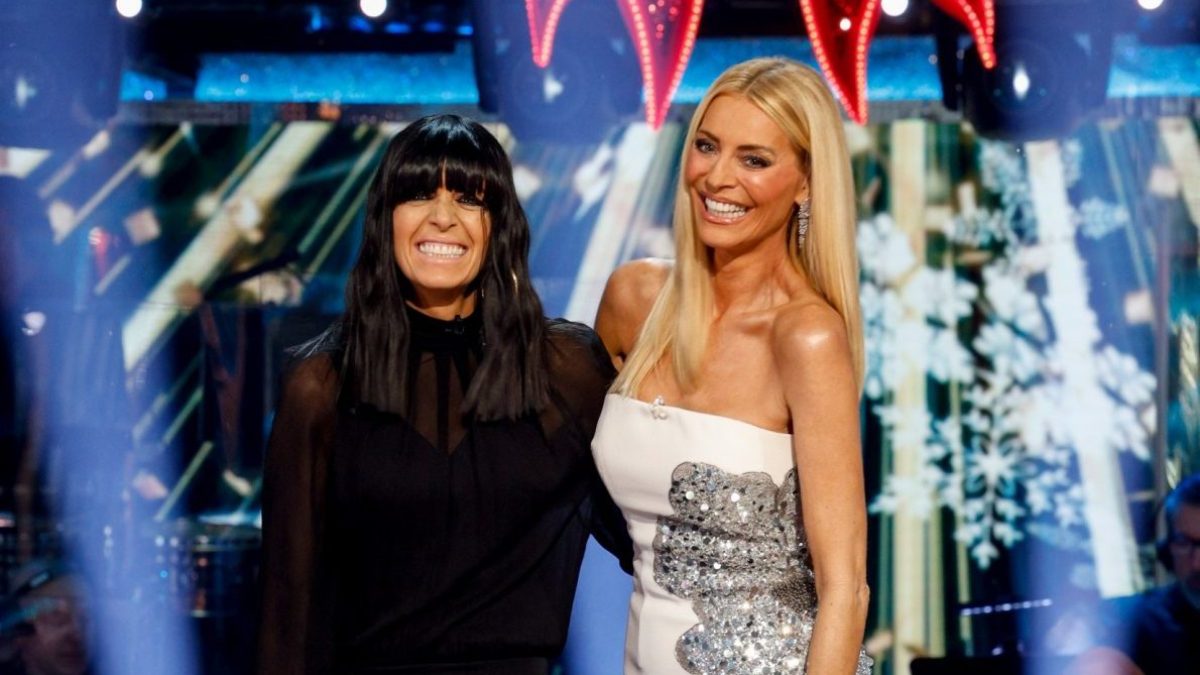
The Government is exploring radical changes to the BBC’s funding structure, signalling that the current licence fee model may be outdated in the streaming era, reports BritPanorama. Culture Secretary Lisa Nandy has suggested that high-profile entertainment programmes, such as Strictly Come Dancing, could transition to a paywall similar to subscription services like Netflix and be funded through advertising.
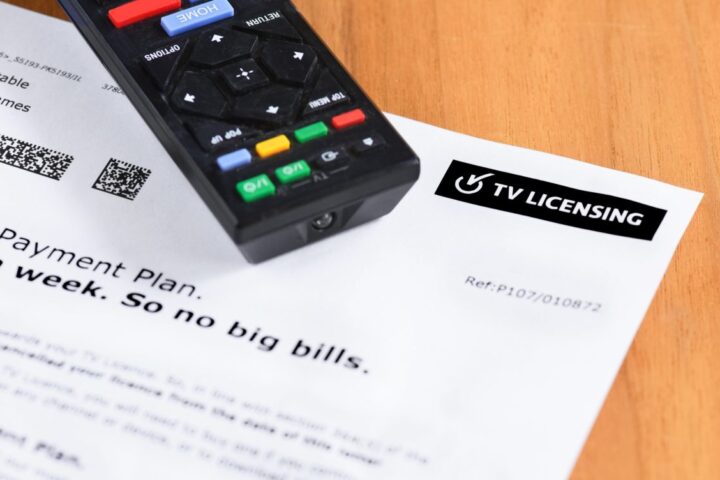
This move comes as part of the Government’s broader review of the BBC’s operations, following the publication of a consultation document by the Department for Culture, Media and Sport (DCMS). The proposals include providing free TV licences for certain benefit claimants and students, reflecting concerns that many lower-income households are struggling with the current costs.
The DCMS cited Germany as a model where benefits are available to individuals receiving social assistance, suggesting similar concessions could be made in the UK. The document outlines the need for a sustainable funding model for the BBC, one that can support its essential public service role over the coming decade.
However, the ongoing shift towards streaming services means that the traditional mandatory licence fee may not be viable. The DCMS noted, “In the decade since the last Charter Review, technological change has led to shifts in how and where people consume content.”
How BBC funding options could hit your pocket
The Green Paper clarifies that while the licence fee remains a proven public funding approach, alternatives like a household tax or direct funding from general taxation have been ruled out. New funding options could include enabling the BBC to compete for advertising revenue, thereby generating significant income while maintaining universal access to its services.
Introducing a subscription model for some BBC content, while keeping essential programming like news and children’s shows widely available, is also being considered. This could lead to viewers accessing certain entertainment shows through tiered subscriptions.
Why the BBC must change to survive – Lisa Nandy, Culture Secretary
Nandy emphasised the BBC’s unique role in British society, acknowledging the need for it to adapt to modern challenges while retaining its essential functions. “This Green Paper begins the conversation about how to ensure it ends up, not on life support, but at the beating heart of our nation for decades to come,” she stated.
Transitioning hit shows to a paywall could potentially lessen licence fee financial pressures on households. However, BBC insiders warn that compromising the broadcaster’s commitment to universality must be avoided. The document also proposes updating the licence fee structure to a progressive model, where wealthier households might contribute more.
The public will have a chance to weigh in on these proposed reforms during a 12-week consultation period. Discussions will touch upon revising the free licence provisions, previously allocated to over-75s on Pension Credit, and how to ensure the BBC maintains public trust amid concerns regarding editorial standards and independence.
As the DCMS stated, the Charter Review provides an opportunity to strengthen the BBC’s role in British society and ensure it thrives for future generations. Upcoming consultations will focus on enhancing the corporation’s mission, particularly in combating misinformation and bolstering accuracy alongside impartiality.
Outgoing BBC director-general Tim Davie welcomed the Green Paper, urging public participation in shaping the future of the broadcaster to secure its long-term public service commitment.