The challenges of making a living as a comedian in the UK
Despite an Edinburgh Comedy Award nomination, multiple performances at the Soho Theatre, and a UK tour, Mel* finds herself struggling financially in a profession where the rewards don’t always match the effort, reports BritPanorama.
Stand-up comedy is known for its demanding nature, requiring years of unpaid work. Many comedians begin on the open mic circuit before progressing to small paid gigs, aiming eventually to develop their own shows that could lead to bigger opportunities in radio and television.
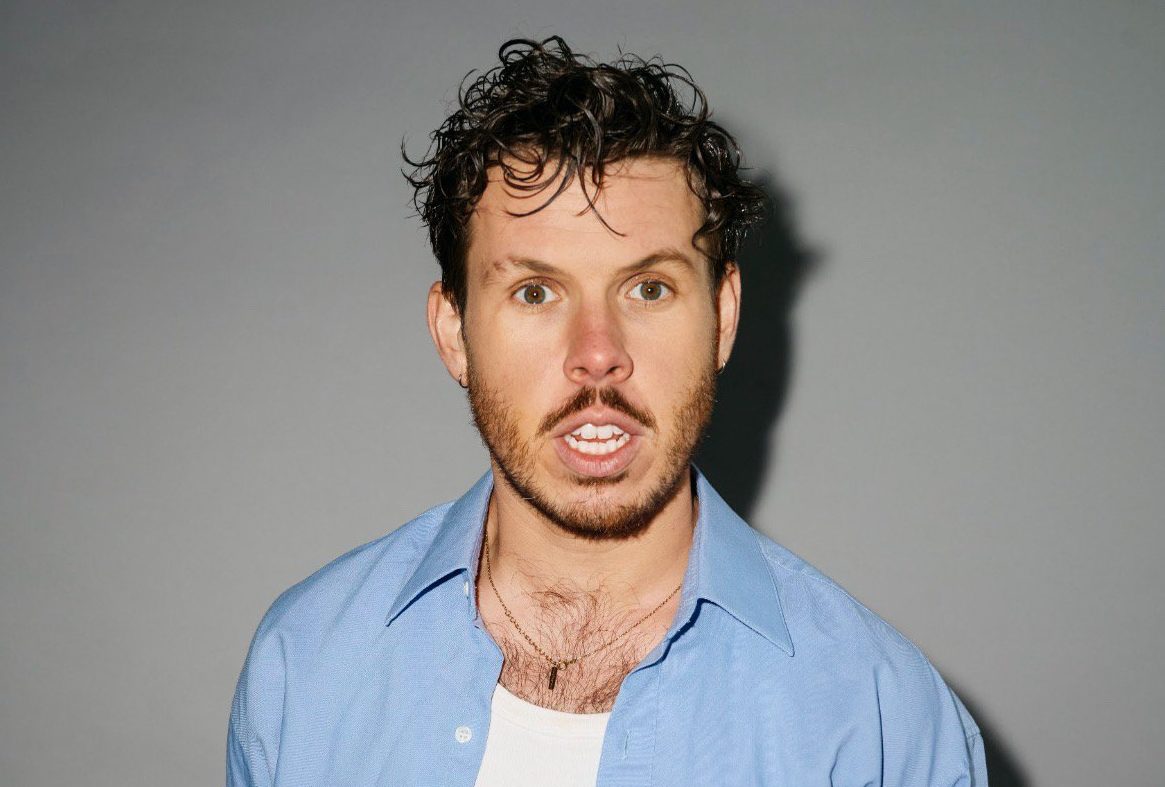
“In the early years, you’re performing at open mics for free as much as possible to build your name,” explains Dom McGovern, who has established himself over the past four years, including at the Soho Theatre and as a writer for Amelia Dimoldenberg’s Chicken Shop Date. “Only recently have I seen any financial return.”
McGovern’s journey illustrates the ups and downs of comedy. In 2022, he placed as runner-up in an OnlyFans comedy competition, which provided him with £25,000. “Before that, I was juggling two jobs to pay my rent,” he says, “without which I wouldn’t have been able to pursue comedy.” Currently, he balances a full-time charity job with his comedy career, often returning home late after shows.
Cara*, who has worked at a prominent UK comedy agency, notes that the earning potential for comedians varies widely. Recent findings from the UK Live Comedy Sector Survey reveal that average comedian earnings have dropped significantly, from £26,778 to £21,143 last year, highlighting how 74% of comedians require additional income outside of comedy.
While top comedians can command high fees—Geoff Norcott claims to earn “more than the prime minister” and Shaparak Khorsandi reports a “healthy six figures”—many working comedians find themselves lucky to earn £30 per gig after expenses.
Mel continues to seek other sources of income as she struggles to break into full-time comedy, often taking on freelance shifts as a tour guide. “It’s common for comedians to have side jobs,” she notes. “I’m not even sure if I’ve started making money from stand-up.”
Comedians face a significant commitment, often giving up free time to perform at clubs across the UK while managing other jobs. “Most clubs don’t cover travel and accommodation,” McGovern points out. Costs can also dictate where comedians perform, with higher fees available outside of London compared to clubs that pay as little as £50 for a Friday night show.
Steve*, with over two decades in the industry, observes that some venues have not adjusted their fees since his early days. “During Covid, one venue even reduced their fees by £100,” he reflects. “I don’t see how anyone can make a good living on the circuit anymore.”
Performing at the Edinburgh Fringe festival remains a crucial opportunity, though it comes with steep expenses, including venue hire and advertising. McGovern notes that significant industry exposure can lead to bigger opportunities, but costs can reach thousands. “Unless I’m selling 200 seats a night, I’m not making any money,” Mel states.
For some, including Steve, going to the Fringe requires years of savings, as they seek to manage costs independently. “After a major TV appearance, I’ve seen my value increase significantly, now not accepting less than £800 per gig,” he says. “Last year, I did a gig for £250, and this year they offered almost three times that.”
While high-profile comedians may enjoy lucrative live shows, the financial landscape is far less forgiving for those just starting. “TV offers can lead to better gigs and significant earning potential but often provide insufficient income on their own,” he adds. Today, comedians increasingly view social media as a revenue stream, although building a following demands extensive unpaid effort.
Many comedians are branching into voiceover work or monetising podcasts and Patreon subscriptions, as they seek additional avenues for income. McGovern mentions that a major part of his earnings now comes from supporting more established comedians and freelance writing, noting his day rate has reached £500. “Getting into writers’ rooms remains a competitive goal, but with dwindling TV opportunities, it’s a challenge,” he observes.
The industry’s freelance nature leads to chronic payment delays, making financial stability elusive. “Invoices can take months to settle,” Mel says, revealing her struggles to afford even basic necessities like a holiday or a mortgage.
These economic difficulties often restrict access for new talent to the comedy circuit. “Starting out, having an additional job is essential. Without family support, it’s nearly impossible,” Cara explains. The question remains: what potential talent is left undiscovered due to these barriers?
*Names have been changed