James Vanderbilt’s Nuremberg offers a granular view of the historic trial
James Vanderbilt’s new dramatized adaptation of the historic Nuremberg trial captures the significant moments of the Second World War but ultimately feels restrained, reports BritPanorama.
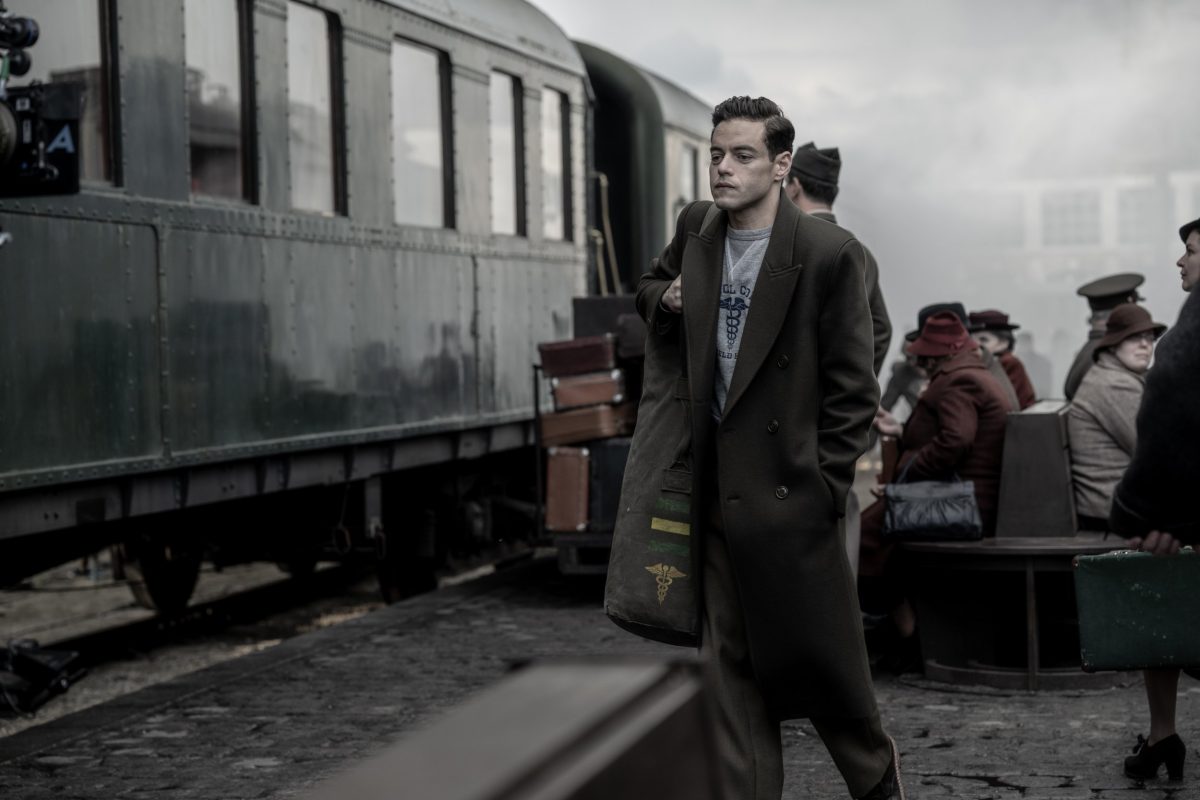
In the film Nuremberg, Russell Crowe portrays Hermann Göring, the notorious Nazi leader, while Rami Malek plays Dr. Douglas Kelley, the psychiatrist tasked with assessing the mental state of surviving Nazi officials for the 1945 trials. A particularly striking scene unfolds midway through the film, showcasing harrowing footage of soldiers liberating concentration camps, revealing grotesque scenes of suffering that left the courtroom gasping in horror.
Despite its compelling material, Nuremberg feels sluggish. Written and directed by Vanderbilt, the film showcases strong performances, yet it fails to resonate emotionally as strongly as the film’s archival footage of atrocities. Instead, it often trudges through the courtroom and prison cell scenes, akin to a reporter conveying facts without engaging the audience fully.
The narrative begins with the close of the Second World War, where leaders like Adolf Hitler and Joseph Goebbels have met their demise. Dr. Kelley, aiming to assess whether the remaining Nazi officials are fit for trial, navigates the complexities of evil and moral accountability. He seeks to address one of the most pressing questions of his time: what unique psychological traits allow ordinary people to commit extraordinary atrocities?
A U.S. Supreme Court Justice, Robert Jackson (played by Michael Shannon), advocates for the prosecution of Nazi leaders rather than their immediate execution. His performance encapsulates the weight of moral responsibility he feels as chief prosecutor, visibly showing the burden he bears throughout the trial.
Based on Jack El-Hai’s 2013 book The Nazi and the Psychiatrist, the film initially aimed to delve into the interactions between Göring and Kelley. However, Vanderbilt opted to broaden the scope, highlighting the unprecedented nature of international war crimes trials. This pivot transforms the film into a judicial epic, emphasizing that the capacity for evil exists within all humanity rather than being exclusive to the Nazis.
Though Vanderbilt attempts to blend a minimalist narrative with a grand theme, the result feels disjointed, oscillating between pacing that is both rushed and sluggish. The performances by Crowe and Malek are noteworthy; Crowe is charmingly disarming while Malek exudes fervent enthusiasm, embodying a psychiatrist intrigued by the depths of human depravity.
The film presents a wealth of staggering material, reflecting the prosecution’s internal debates about their case. Critics of both the prosecution and the defense question the morality of their positions—was Germany solely responsible for the war, or were the Allies also complicit in its unravelling?
Nonetheless, Nuremberg occasionally lacks the gripping tension found in other historical dramas, such as Frost/Nixon. Its cautious approach diminishes the opportunity for cathartic revelations, and it refrains from depicting Göring as the one-dimensional villain audiences might expect, ultimately missing moments that might have provoked profound reactions similar to those seen in the courtroom.
In cinemas from 14 November