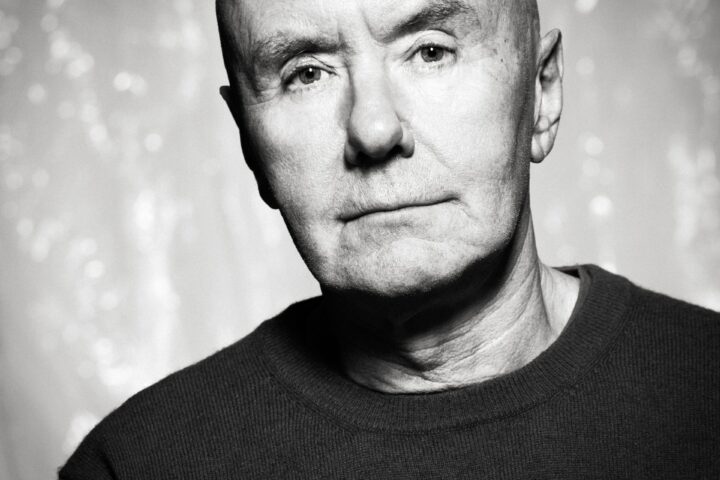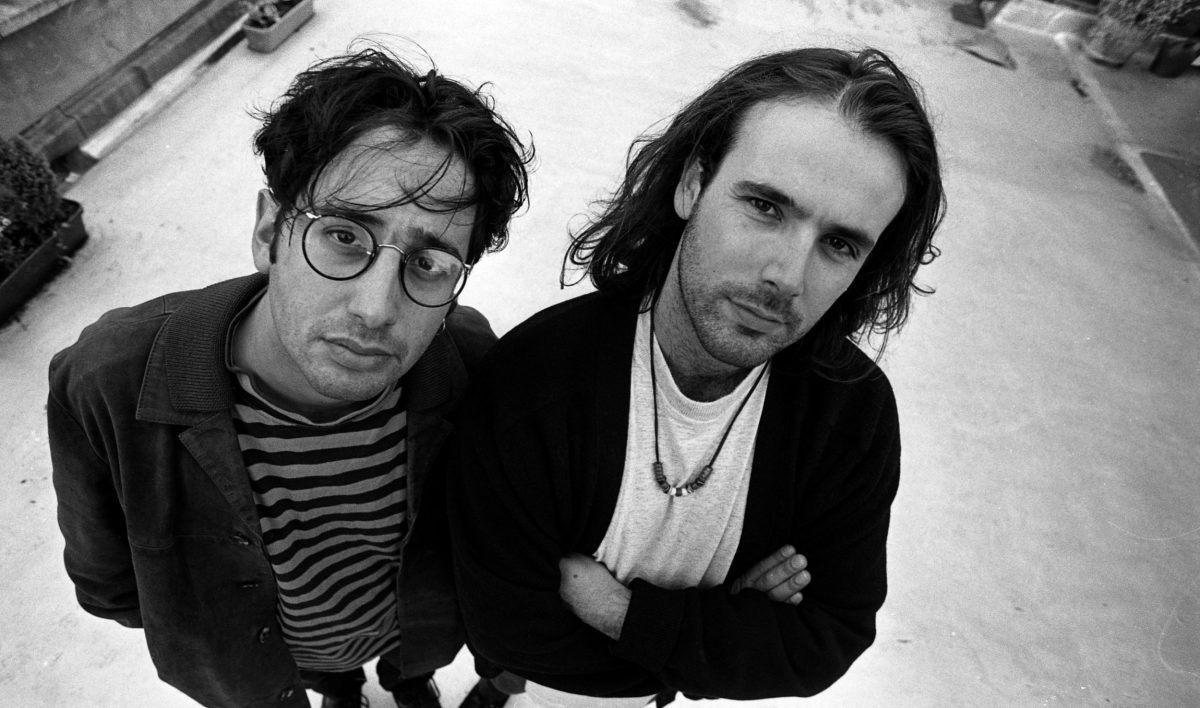
Robert Newman revisits the stage with new stand-up show
During a performance of his latest stand-up show, Where the Wild Things Were, at Wilton’s Music Hall in east London, Robert Newman engaged his audience with themes of existential despair and humor, a blend that reflects his journey in comedy, reports BritPanorama.
As he announced the interval, he remarked on the audience’s return, conveying a sense of connection. “I hope some of you will return for the second half,” he stated, underscoring the importance of audience attendance, a crucial factor in live performances.
At 61, Newman, once a prominent figure in British comedy alongside David Baddiel, has seen a shift in his career trajectory. While both performers initially transformed stand-up comedy into a mainstream phenomenon, their paths diverged after their headline performance at Wembley Arena in the early 1990s. Newman has spent recent years focusing on solo projects, including radio and novel writing, though he acknowledges the challenge of recognition today. “Nobody recognises me any more,” he quipped, highlighting the contrast between his past fame and current obscurity.
Born in 1964 and adopted at birth, Newman attended Cambridge University, where he felt alienated from the exuberance often associated with such experiences. He later formed The Mary Whitehouse Experience, an alternative comedy troupe, influencing the genre significantly. Yet he maintains that his partnerships, including that with Baddiel, were more like collaborative sketches than a conventional double act.
Newman’s relationship with Baddiel ultimately deteriorated in the early 1990s, with Baddiel later describing Newman as someone plagued by insecurities. However, Newman reframes their split, indicating a divergence in interests rather than personal conflict. “I like to follow my own interests,” he said, reflecting an inclination towards individual exploration.
His current endeavors also showcase his advocacy for environmental causes. He resides in North London with his family, cherishing his commitment to ecological principles. Newman emphasises the impact of pollution and expresses a desire for societal change, particularly regarding urban environments and vehicle emissions.
As for his literary pursuits, his upcoming novel, Intelligence, is a Second World War thriller that explores the intellectual contributions of women during the era, countering traditional narratives. “They all went to Oxford to study philosophy in what was otherwise a very male-dominated world,” he observed, signifying an intention to amplify underrepresented voices within historical contexts.
Intelligence by Robert Newman is published by Serpent’s Tail on 5 March.