A review of the new adaptation of ‘A Woman of Substance’
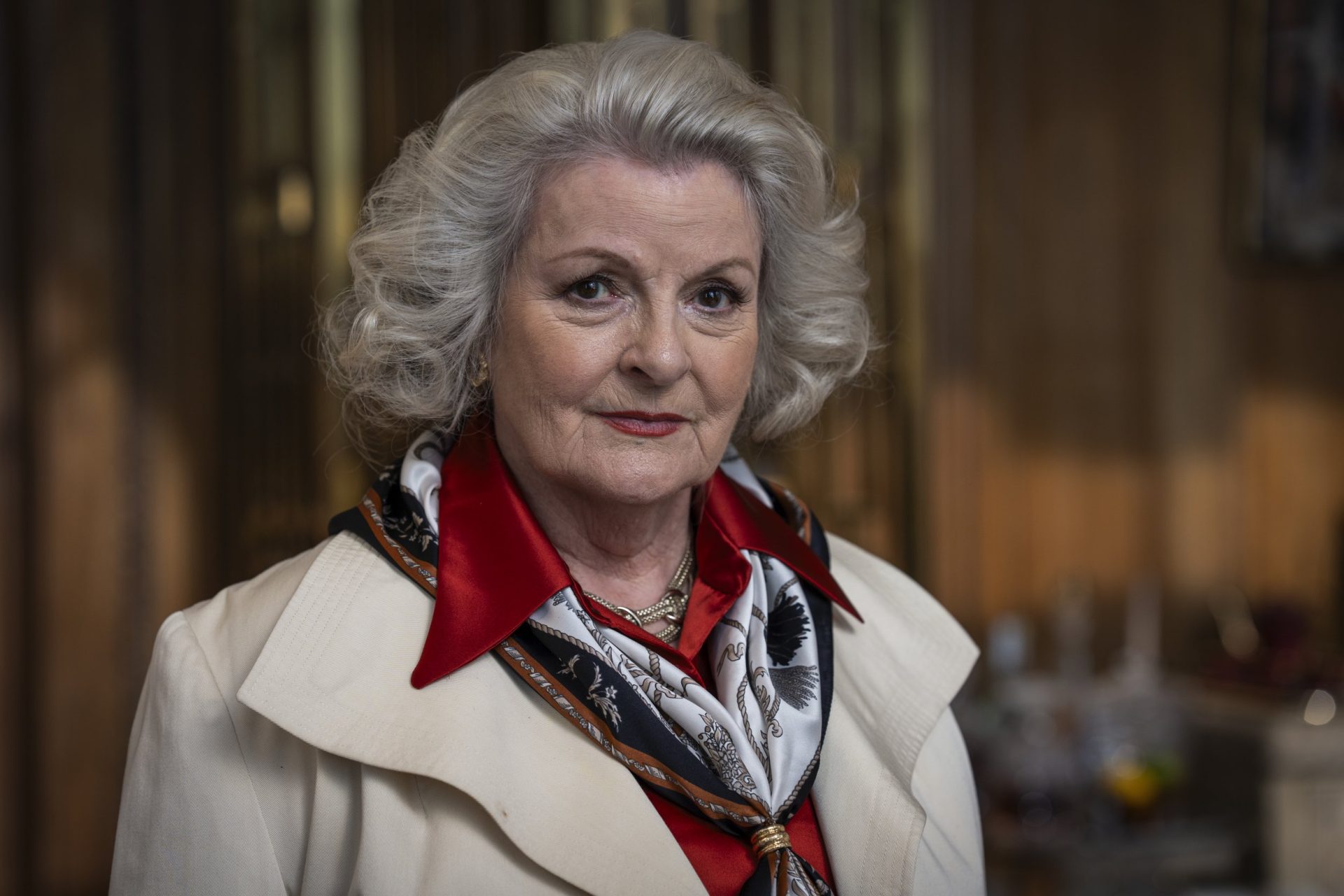
The recent adaptation of A Woman of Substance, Barbara Taylor Bradford’s iconic 1979 novel, has sparked interest among viewers as it returns to television screens after 40 years. The story, which chronicles the rise of Emma Harte from maid to a successful businesswoman, explores themes of ambition and resilience, reports BritPanorama.
Emma’s journey begins with an unplanned pregnancy, prompting her to move to Leeds where she opens a shop that eventually expands into a global brand. Her quest for success is accompanied by a desire for revenge against the wealthy Fairley family, who she believes wronged her. As she navigates various relationships, the narrative includes a number of explicit scenes; however, they are less frequent than one might expect.
While the early scenes may come across as melodramatic — some described in flowing prose — they raise questions about how the portrayal of intimacy in literature has evolved since the 1980s. The modern era has seen a shift in how sexual themes are presented, with works like Fifty Shades of Grey redefining norms around romance and eroticism.
Despite any perceived shortcomings in the book’s sensuality, its impact lies in its reflection of the era’s values, particularly those of the 1980s, characterized by rugged individualism and the idea that success is attainable regardless of one’s background. This resonated with many readers, especially women, who found inspiration in a protagonist willing to bravely confront societal and personal challenges.
Much like the former Prime Minister Margaret Thatcher, Emma Harte embodies a certain strength and ambition, yet she exists in a complex landscape of class and gender. The original television adaptation of the novel, which aired in 1985 and was Channel 4’s most-watched show for a time, contributed significantly to the book’s legacy. Barbara Taylor Bradford famously coined the term “woman of substance,” which has permeated modern discourse.
Emma’s character serves as a foil for shifting perceptions of womanhood; she is ambitious and determined, yet at times ruthless in her pursuit of what she deems rightful. In grappling with adversity, she exemplifies a certain feminist ethos, even if the term itself is never used in the novel.
Criticism of the book, particularly in its early days, stemmed from a cultural divide between highbrow and lowbrow literature. Intellectual reviewers often dismissed Bradford’s commercial success, viewing her work as frivolous. However, this resistance reveals much about entrenched attitudes toward women in literature and the societal expectations of the time.
As A Woman of Substance continues to entertain audiences, its enduring relevance lies not just in its narrative but in how it opened doors for female authors and reshaped public discourse around women’s ambitions and achievements. The new adaptation, still resonant with the original themes, aims to inspire a new generation of viewers. It promises to retain the compelling nature of Emma’s saga while presenting her journey through a contemporary lens.
The new TV series airs at 9pm on Wednesdays on Channel 4, with the original adaptation also available for streaming.