Exhibition highlights Michaelina Wautier’s artistic legacy
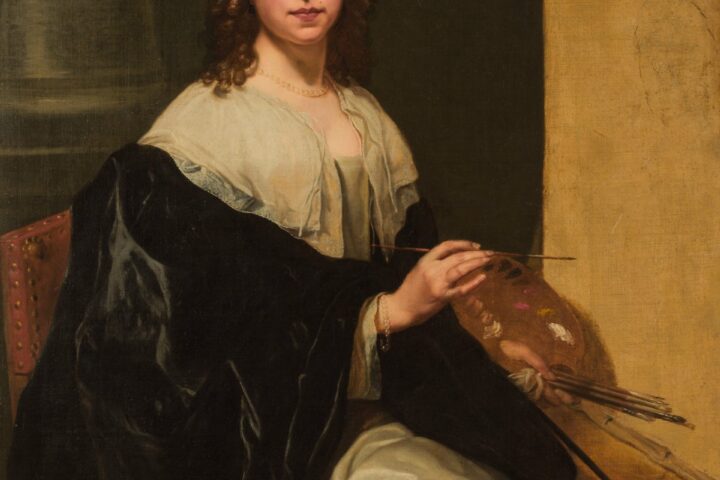
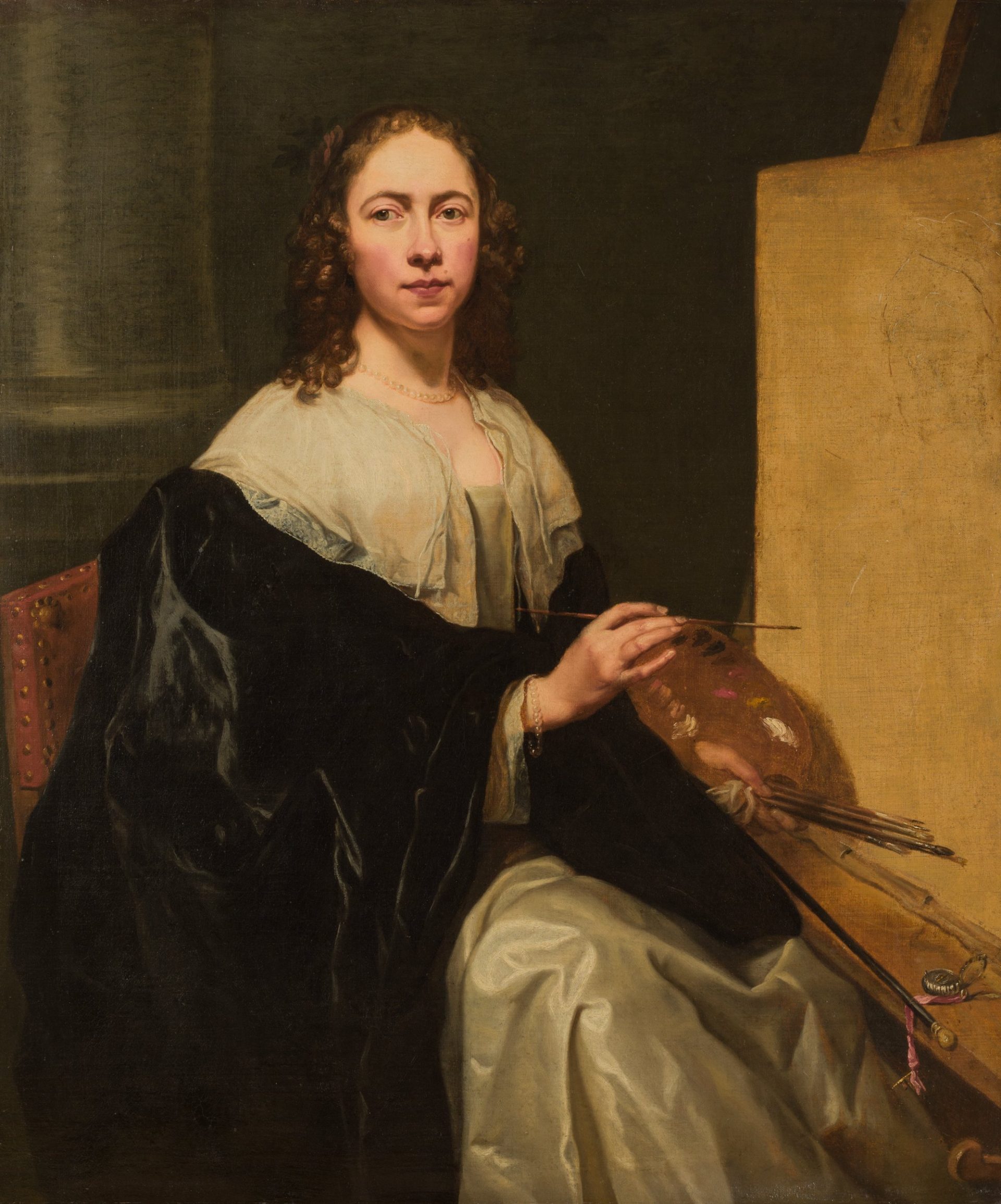
Michaelina Wautier’s self-portrait, depicting her as a follower of Bacchus, punctuates her remarkable work The Triumph of Bacchus (c1655-59). At the centre of the painting is Bacchus, engaged in a homoerotic scene with a satyr, while Wautier, adorned with a vine-wreathed staff, gazes out at the viewer. This juxtaposition draws attention to the artist’s skill and significance, reports BritPanorama.
The painting is a key feature of the Royal Academy’s exhibition celebrating an artist who flourished at the Habsburg court in 17th-century Brussels but was largely forgotten following her death, with her works often misattributed to her male contemporaries, including her brother Charles.
Wautier’s The Triumph of Bacchus was rediscovered in 1993 by art historian Katlijne Van der Stighelen, hidden within the collections of the Kunsthistorisches Museum in Vienna, sparking renewed interest in her contributions to art.
Speculation surrounding the painting’s female authorship has existed, yet doubts persisted due to its substantial size and classical themes, perceived as fitting solely within the realm of male artists. The 1903 museum curator reflected on this prejudice, commenting on the incongruity of associating such vigorous work with a woman. Female artists, at the time, faced significant restrictions, allowing only limited subjects until the 19th century.
In response, the Royal Academy has strategically placed Wautier’s delicate flower paintings alongside her larger works to emphasize the constraints placed on women artists. This programming suggests a broader conversation about gender in art and the visibility of female creators.
Wautier’s diverse oeuvre includes not only floral compositions but also portraits, allegories, and religious narratives. Royal Academy curator Julien Domercq highlights her unique approach in an era where artists typically specialised, noting Wautier’s flexibility and willingness to embrace different styles and techniques.
The exhibition also features a series of paintings entitled The Five Senses, showcasing Wautier’s inventive humour and perspective on everyday life. Her playful representation of themes offers a glimpse into not just her creative process but also her identity and environment.
The relationship between Wautier and her brother Charles, who likely oversaw her artistic training, underscores the dynamics of artistic collaboration and familial support. Although both are painters of note, it is Wautier’s works that resonate more deeply with contemporary audiences, illustrating her ability to infuse life and character into her subjects.
Wautier’s portraits present an engaging, animated style, diverging from the rigidity typical in her male peers’ works. The exhibition juxtaposes her lively Boy with a White Cravat with Charles’ portrait, highlighting her distinctive touch in capturing youthful expressions and nuances.
Wautier’s ability to depict emotions and interactions culminates in pieces like The Education of the Virgin (1656), where she emphasizes maternal bonds with great sensitivity. Her works, characterized by a restrictive palette yet profound depth, imply possible journeys to Italy, likely alongside her brother.
The absence of substantial biographical details only heightens interest in Wautier, with her last known painting dating to 1659, despite living for another three decades. Her legacy invites speculation about undiscovered works, leaving a tantalizing gap in her already remarkable narrative.
To 21 June, Royal Academy, London