Philip Pullman’s Latest Work Reflects Anger Towards Modern Institutions
Philip Pullman’s new novel, The Rose Field, marks a departure from the fervent criticism of religion found in his previous works. The author now directs his ire towards modern institutions, including Big Pharma and capitalism, reflecting his discontent with contemporary society, reports BritPanorama.
The narrative continues the journey of Lyra and her former professor, Malcolm Polstead, as they navigate challenging landscapes in search of answers to encompassing questions about a fading rose oil trade and the ominous presence of the Magisterium, the religious authority in Pullman’s universe.
Lyra, now a grown woman, seeks to reconnect with her daemon Pantalaimon, who left her due to her increasing cynicism. Meanwhile, Malcolm grapples with the murder that set the events of the previous book, The Secret Commonwealth, into motion. The urgency of their quests is set against the backdrop of bleak political landscapes, where the Magisterium’s power seems more potent than ever.
Throughout the novel, Pullman laments a lost sense of community, expressing nostalgia for simpler times with a portrayal of capitalism and technology that risks appearing reactionary. “All the old ways and habits that brought people together, like bartering and trading – just dissolved,” he writes.
Continuing his theme of intellectual engagement, Pullman question readers from his earlier works who may now have grown beyond the fantastical elements he once masterfully entwined within rich narratives. In The Rose Field, themes emerge that challenge not just faith in religious or scientific constructs, but urge a reconsideration of imagination itself, as Lyra and Pan’s relationship falters under the weight of practicality.
While Pullman’s trademark imagination remains vibrant, the narrative often veers into exposition-heavy dialogues that detract from fluid storytelling. Such shifts have prompted critiques regarding a possible decline in momentum compared to previous works.
Despite pointed critiques of various societal structures, the characters’ experiences occasionally feel disconnected from the larger moral battles depicted in earlier entries of the saga. Readers may find themselves pondering the sustained influence of the Magisterium and whether the essence of magic has truly faded from a world once steeped in wonder.
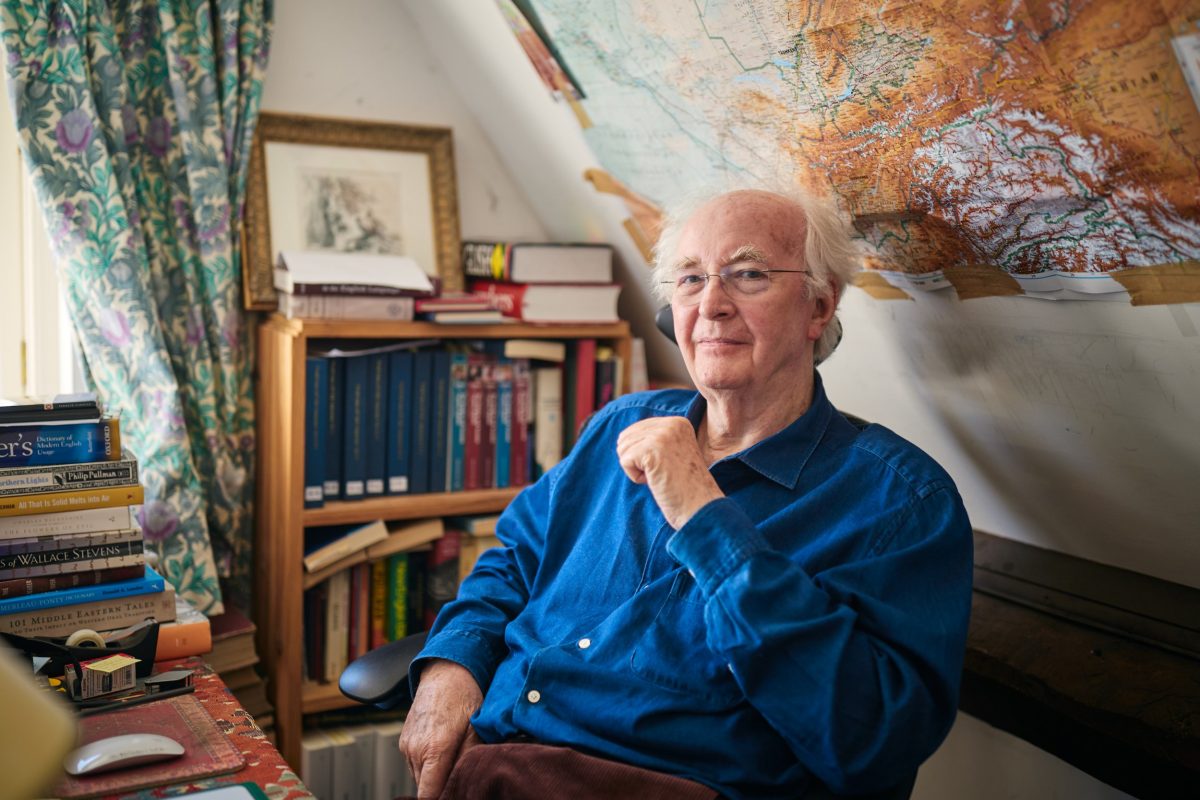
At 78, Pullman’s creative prowess endures, inviting longstanding fans to delve into a complex narrative that, while ambitious, sometimes feels like a regression from the lighter storylines of the past. The book aspires to explore deep philosophical themes but risks alienating readers through its weighty deliveries.
Ultimately, The Rose Field attempts to balance a reflective tone with the desired excitement of adventure. It leaves one questioning whether Pullman’s trust in his audience has diminished as they too confront the complexities of adulthood. As the concluding installment of a storied journey, it provides ample food for thought, though at times lacks the captivating spirit seen in earlier outings.
The Rose Field is published by Penguin and David Fickling Books, £25.