Melvyn Bragg on life after retirement and his new memoir
“Retire?” says Melvyn Bragg, looking incredulous. “I can’t see that. What would I do in retirement?” A bit of gardening, perhaps? “Gardening!” he hoots. He shakes his head. “No, no, that’s not for me. Retirement to me means starting another job,” reports BritPanorama.
When Bragg – who is 86 – stepped down as presenter of the Radio 4 series In Our Time in January after 27 years of service, listeners may have imagined him slowing down and putting his feet up. No chance, he says. The writer and broadcaster already has various projects in the works, including developing his novels The Maid of Buttermere and The Soldier’s Return for the screen. He also has plans for a new radio series, which he can’t talk about yet “as we’re still at the discussion stage.”
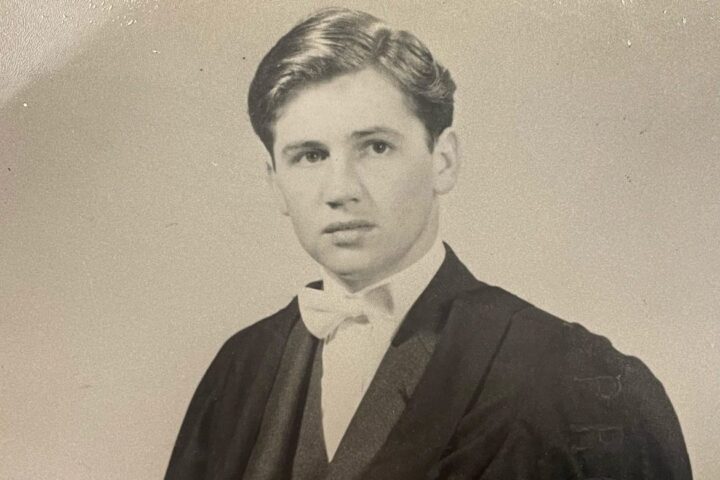
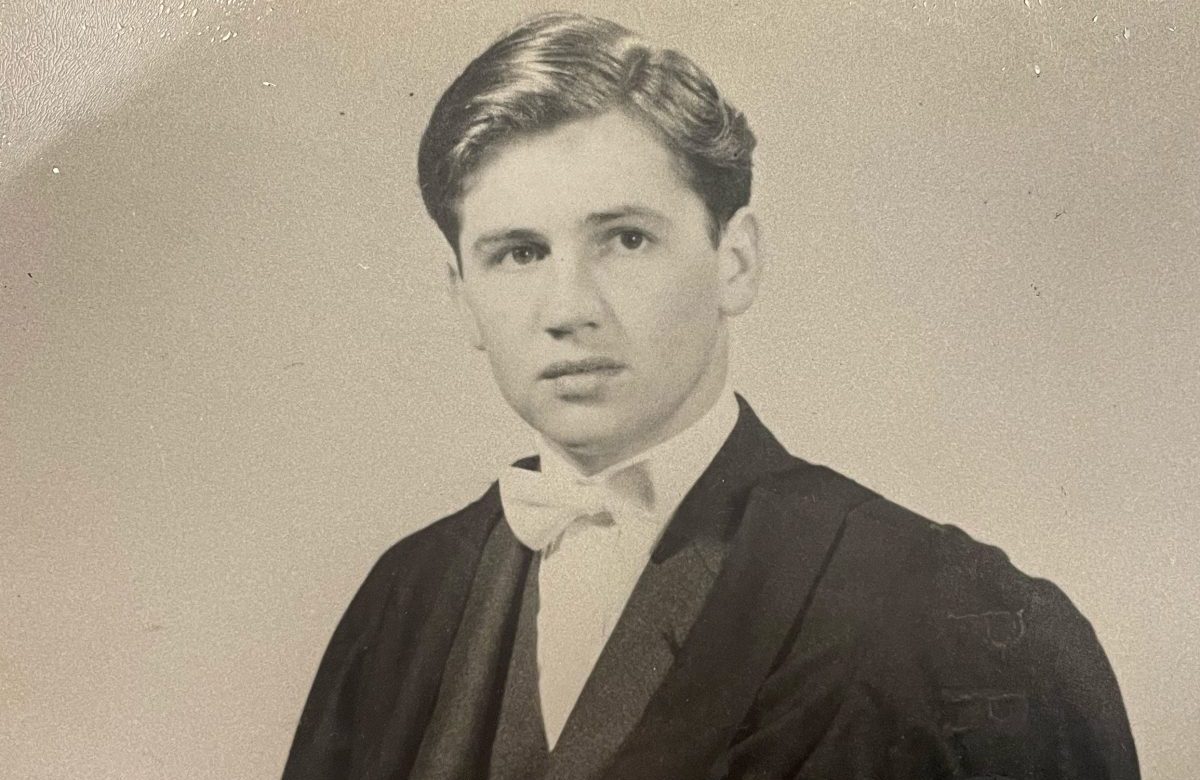
What he can discuss is Another World, his new memoir in which he reflects on his time at Wadham College, Oxford, in the late 50s. The book is a sequel to 2022’s Back in the Day, which covered his early life in Wigton, Cumbria, as the only child of James, a publican, and Ethel, a cleaner who later joined her husband behind the bar.
Had Bragg remained in Wigton, a career in the civil service and marriage to his childhood sweetheart, Sarah, likely awaited him. However, encouraged by his school headmaster, he won a scholarship to Oxford to study history.
Initially, Bragg felt out of place at Oxford. He recounts an encounter outside Trinity College with Dennis Potter, a miner’s son who became a renowned screenwriter. Potter remarked, “They say there’s three working-class men here. There’s me. And you. Where’s the other bugger?” While Bragg believes there were certainly more than three, he acknowledges a “smack of truth” in Potter’s sentiment about their minority status.
Bragg welcomed me at his home in Hampstead, where he has lived for 45 years with his third wife, Gabriel Clare-Hunt, and their terrier, Tess. Dapperly dressed in a dark sweater and cravat, Bragg, although slightly unwell, was warm and accommodating: “You can ask me anything!”
We sat in an elegant living room adorned with antique furniture and paintings he has collected over the years. “You see that one there?” He pointed to a small oil painting of a vase of flowers. “That’s by [Kurt] Schwitters. If you look closely, it’s very like Van Gogh. I got it for a fiver in Ambleside. Can you believe it? I didn’t know it was a Schwitters when I bought it.”
Bragg noted that recalling memories from his university days was not a challenge: “I have a good memory for things that matter.” He observed entitlement at Oxford, indicating that while some peers “were shits,” most were not. He alluded to cliques, some of whom later held political power, avoiding naming names.
Those names, inevitably, included David Cameron and Boris Johnson, both Oxford alumni of the 80s and members of the Bullingdon Club, which Bragg consciously avoided. “It was disgraceful,” he remarked. “Isn’t it fun to go to a restaurant, eat as much as you could, then pay and smash all the crockery? It’s unspeakable. They called it a tradition.”
The memoir also details the deterioration of his relationship with Sarah, who felt out of place amidst academic expectations. She expressed, “it’s not for me, and never will be,” leading to their breakup. Bragg, having previously faced mental health challenges, described the impact as akin to a loss of a limb: “It sounds exaggerated but it was a bit like an amputation.”
Despite this, Bragg eventually found his footing and community at Oxford. “Once I’d got over the initial ‘what am I doing here?’ feeling, I enjoyed it. It opened me up to experiences and allowed me to try things I didn’t know I could do,” he reflected, mentioning his ventures into arts criticism and even acting.
After university, Bragg joined the BBC as a trainee, beginning at the World Service before moving to Huw Wheldon’s arts series, Monitor. He soon realised a preference for production over management, leading him to ITV in the late 70s where he edited and presented The South Bank Show.
There, Bragg dismantled the perceived hierarchy of high and low art, showcasing a variety of artists from Paul McCartney to the late Dennis Potter. In one defining episode, Potter discussed his life and looming death, revealing he had named his tumour Rupert after media tycoon Rupert Murdoch.
“It was a very dramatic event,” Bragg recalled. “He was incredibly ill, yet he smoked and drank champagne with an extra tipple on the side. He’d decided on his future by then.”
Bragg maintained a passion for radio, hosting Start the Week in the 90s. Subsequently, BBC management assigned him the Thursday morning “death slot,” ostensibly to phase him out. Undeterred, he created In Our Time, a programme that showcased scholars discussing diverse topics without commercial agendas, which later became a popular podcast.
“I loved doing it, and the biggest compliment I got was the number of young people who listened,” he stated, pleased that a younger audience engaged with complex subjects.
Bragg’s departure from the show resulted from health issues affecting his voice. “I thought, ‘perhaps it’s time to pack it in,’ and I did. I miss it but life goes on,” he remarked.
Recent months have seen further transitions for Bragg. He officially retired from the House of Lords a week before our meeting. “It was done quietly. I keep the title,” he explained. “I can go there when I want, but I’m not part of the voting community anymore.” He holds high regard for the debates and work conducted within the Commons, refuting stereotypes of it being filled with “dull old buffers.”
In his final speech, he expressed concern over the marginalisation of arts and humanities in education. “It’s so stupid, I don’t know where to begin,” he stated, underscoring that the creativity fostered by the arts is vital for the country’s cultural and economic landscape.
Bragg’s commitment to the arts remains as fervent as ever. “Art is what sustains us,” he asserted. “It shows us who we are.”
‘Another World’ by Melvyn Bragg is published by Sceptre (£22).