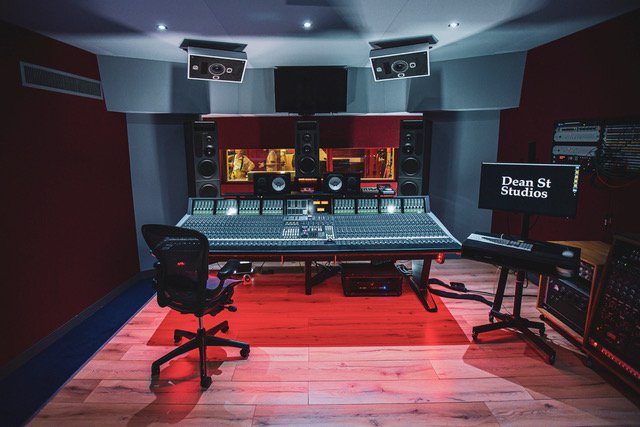
The UK’s recording studios, already reeling from economic pressures, are facing a critical juncture due to soaring business rates, prompting warnings from industry leaders that many will be forced to close. This situation has been exacerbated by recent fiscal policies implemented in Rachel Reeves’s Budget, which have dealt a “hammer blow” to the music sector, reports BritPanorama.
According to research by the Music Producers Guild, half of the remaining studios in the UK are considering shutting down within the next year. This alarming trend threatens the future of the country’s emerging talent, as many of these studios serve as essential training grounds for the next generation of producers and engineers.
One prominent studio, Dean St. Studios in central London, known for its historical significance and its roster of notable musicians including David Bowie and Adele, now faces a staggering increase in its rateable value, rising to £71,500 in April from £38,250 in 2021. Managing director Jazz Lee expressed concern that the studio is “on a knife-edge” regarding its future viability, having already had to let go of staff to manage costs.
The classification of music studios as office space for business rates precludes them from accessing relief programmes available to other sectors, such as retail and hospitality. “It’s a real hammer blow,” said Lee, articulating how the burdensome rates are crippling what might otherwise be successful businesses.
Industry figures such as Grammy and Oscar-winning producer Paul Epworth have echoed these sentiments. His Church studios in London are also anticipating a significant rate hike, with implications that may hinder their ability to support up-and-coming artists. Epworth lamented the state of the studio business, highlighting that studio owners now resemble “patrons of the arts,” often unable to absorb rising costs.
Meanwhile, grassroots music venues are also feeling the pinch, with an open letter from nearly 1,000 live music organisations warning of immediate risks to over 350 sites. This trend could result in substantial job losses and jeopardise a significant number of live events annually.
The letter implores the Prime Minister to extend the 40% business rates relief scheme currently available to film studios to the music sector. With many venues experiencing dramatic rate increases exceeding 100%, rising operational costs are likely to push ticket prices higher, deterring audiences from attending shows.
As the industry pushes for government intervention, the response from the Treasury has been cautious. Officials state that they are providing various forms of support to cap increasing bills following inflationary pressures. However, many in the industry remain skeptical about the adequacy of this support, with calls for more comprehensive measures to protect the UK’s music heritage.
Prominent figures, including members of The Who and Mark Knopfler, have joined a campaign advocating for lower business rates on studios to ensure the continuation of Britain’s storied music scene. The stakes remain high; without immediate action, experts warn that the production of British music may shift overseas, diminishing the UK’s cultural and economic contributions to the global music landscape.