New film ‘Wake Up Dead Man’ continues the legacy of crime fiction
The release of Wake Up Dead Man, Rian Johnson’s latest installment in the Knives Out series, marks a significant moment in contemporary crime fiction, reflecting a blend of traditional and modern storytelling elements. The film is set against a backdrop of societal issues and moral dilemmas that resonate with audiences today, reports BritPanorama.
Continuing the franchise that began with the successful Knives Out in 2019, the latest film explores themes of conspiracy theories and personal faith within a divided society. The narrative follows Reverend Judd Duplenticy, portrayed by Josh O’Connor, as he becomes embroiled in a murder mystery in a rural New York parish. This setup not only engages viewers with its traditional whodunit elements but also offers a commentary on contemporary moral complexities.
Since its inception, the Knives Out franchise has garnered considerable attention—its first film grossed over $312 million against a $40 million budget. Johnson’s direction, combined with compelling character arcs and sharp dialogue, has positioned him as a modern contributor to the genre, drawing clear inspiration from literary giants like Agatha Christie.
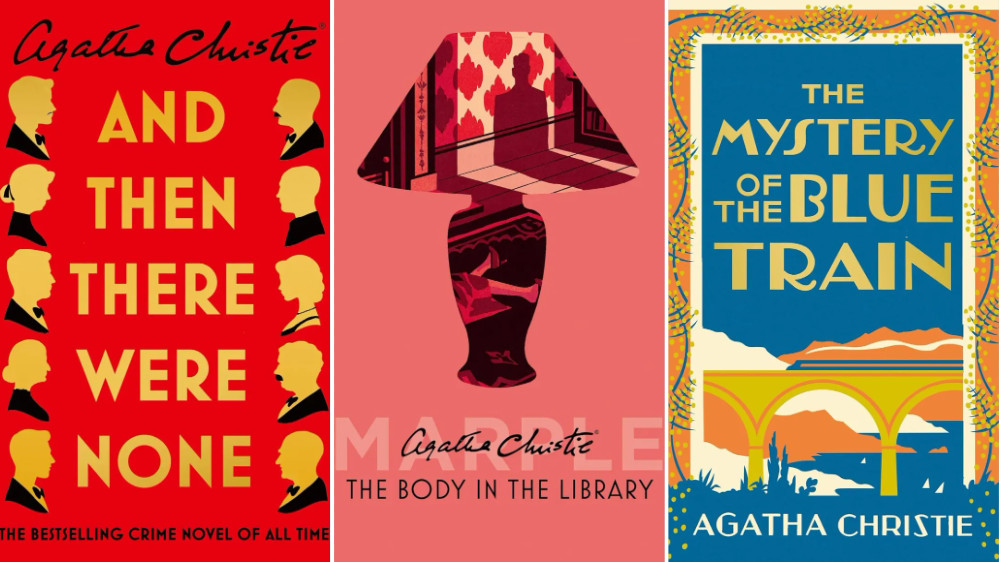
Christie’s profound impact on crime fiction is evident; her novels have sold billions worldwide and introduced iconic characters who adeptly navigate social intricacies alongside their investigations. Johnson shares this ethos, crafting narratives that not only entertain but provoke thought about the societal norms surrounding his characters.
In Knives Out and its follow-ups, the character of Benoit Blanc, played by Daniel Craig, captures this complexity. Blanc’s keen observations reflect both the absurdity and depth of human motivations, akin to Christie’s own detective constructs. Johnson has noted that he aimed to create characters that resonate with contemporary experiences, diving deeper than surface-level tensions.
The two prior films, including 2022’s Glass Onion, focused on class disparities and the vacuity of modern celebrity culture. With Wake Up Dead Man, Johnson further enhances his storytelling by embedding personal stakes that mirror the audience’s struggles with faith and necessity for connection in a chaotic environment.
Hitchcock once dismissed detective stories as mere puzzles devoid of emotion. However, both Christie and Johnson adeptly interlace emotional stakes within intricate plots, ensuring that the audience invests in the characters’ journeys. The balance of humour and serious themes in Johnson’s offerings pays homage to the lighter tones of Christie while addressing pressing contemporary issues.
As Wake Up Dead Man streams on Netflix, it invites viewers to engage not only with its mystery but also with the reflections it provokes about our own realities, echoing Christie’s legacy of marrying social commentary with enthralling storytelling.