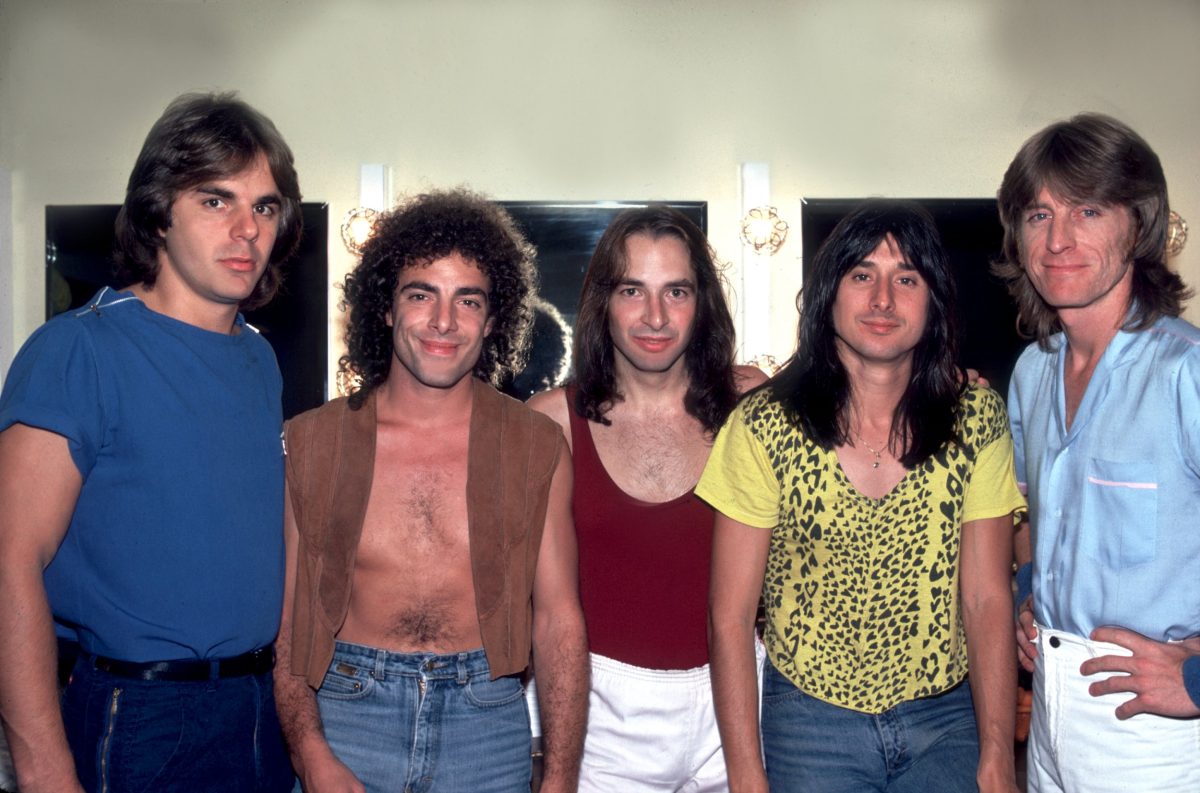
Journey’s “Don’t Stop Believin'” reaches cultural apex
In a remarkable resurgence, Journey’s iconic anthem “Don’t Stop Believin’” has solidified its status as a cultural touchstone, recently declared the biggest song of all time, reports BritPanorama.
Originally released in 1981, the song peaked at No 9 in the US charts but faltered to No 62 in the UK. Journalist Steve Perry noted the initial lack of attention the band received. Despite its modest beginnings, the track has since garnered over 2.7 billion streams on Spotify and has become a staple in various settings, from karaoke to weddings.
Its impact on popular culture surged following notable placements in television, notably the ending of The Sopranos in 2007 and the pilot of Glee in 2009. By 2012, it emerged as the bestselling digital track of the 20th century, achieving seven million downloads by 2017. In 2025, it remained the highest streamed song from the 1980s, with around 263 million streams worldwide.
In one instance, the song was credited with providing motivation during a life-threatening situation. A California surfer, Brad Warren, recounted how the sound of “Don’t Stop Believin’” reaching the shore inspired him and two others stranded after their boat capsized off Hawaii, encouraging them to swim to safety.
Defined as album-oriented rock (AOR), Journey’s music played a significant role in shaping the genre in the 1980s. AOR prioritised catchy, anthemic songs ideal for radio play, with Journey among the leading bands alongside Boston and Foreigner. Despite enormous commercial success, these acts were frequently dismissed by critics as “corporate rock.” Paul Rees, in his book Raised on Radio, discusses the disconnect between commercial popularity and critical reception, noting that many AOR artists were overlooked by major music publications.
Rees elaborates on the rise of AOR radio, starting in the early 1970s, when Lee Abrams proposed a format that featured album tracks rather than standard Top 40 hits. This format gained traction in FM radio stations, particularly as FM radios became standard in vehicles. Through clever marketing, bands like Journey reached broader audiences beyond traditional radio waves by infiltrating shopping areas.
The phenomenon elevated a type of polished rock music designed for mass appeal. This evolution of sound meant bands were strategically writing songs for radio play, aided by recording studios that customised tracks for optimal FM sound quality.
Journey’s ascendancy in this context began when they shifted to a sound that would resonate with mainstream audiences, ultimately leading to the creation of “Don’t Stop Believin’.” Written shortly after Jonathan Cain took notes from a significant conversation with his father, the song’s lyrics reflect universal themes of resilience and hope.
The cultural renaissance of “Don’t Stop Believin’” started in earnest with its inclusion in films and series, revitalising its image and bringing it back into public consciousness. The song almost didn’t make this comeback, as Perry hesitated to allow its use in The Sopranos due to fears of its juxtaposition with violent themes. However, after reassurances, the song became synonymous with one of the series’ most iconic scenes, thus enshrining it further in pop culture history.
This reinvigoration has allowed Journey and other AOR acts to reap the benefits of digital streaming, with various classic tracks from the genre exceeding one billion streams. The enduring appeal of songs like “Don’t Stop Believin’” cements their place in contemporary music, reinforcing their relevance across generations.
In a nostalgic reflection, Rees concludes that the simplicity and optimistic nature of “Don’t Stop Believin’” serve as a joyful auditory experience, urging listeners to embrace hopefulness. The track has come to represent not just the band but the essence of an era in music, solidifying its legacy for the future.
‘Raised on Radio: Power Ballads, Cocaine and Payola: The AOR Glory Years 1976-1986’ is published by Little, Brown on 24 February, £25