Reality Show Dynamics Unveiled in The Traitors
The latest series of The Traitors sparked debate as contestants engage in a game defined by deceit and psychological challenge. Prominent figures, including Jonathan Ross, have shared insights on the intense pressures of the competition. Ross commented on his experience, emphasizing that the duplicity required for success proved more arduous than anticipated, revealing the psychological toll it can exert on participants, reports BritPanorama.
Unlike typical reality shows that offer cash incentives or fame, The Traitors refrains from large financial rewards or sob stories, attracting contestants who seek entertainment rather than desperation. This shift alters the stakes, as participants navigate a complex social landscape where trust is continually tested. The relaxed setting contrasts sharply with the cutthroat dynamics at play, where success hinges on cunning and perceptiveness.
As contestants enjoy a scenic environment in the Highlands, the ultimate challenge lies in maintaining integrity amid a backdrop rife with betrayal and shifting loyalties. The show’s structure presents contestants with the dual task of deception against acquaintances while being scrutinized by the viewing public. Ross noted the significant impact this can have on personal relationships, as players must navigate both their strategies and interpersonal dynamics.
Participants like Celia Imrie illustrated the lighter side of the competition, with moments demonstrating that the show allows for vulnerability without outright disgrace. However, the underlying tension and strategic gameplay often lead to emotional and reputational risks, particularly for those whose public personas depend on being well-liked.
Jonathan Ross further advised friends considering participation to weigh the impact of deceit on personal bonds. “I am pleased I did it – an extraordinary experience – but I did not enjoy the duplicity as the game progressed,” he stated in a social media post. This reflects a growing awareness among contestants of the psychological complexity involved in the game.
While the format aims for light-hearted entertainment, inherent themes of tribalism and conflict emerge. Contestants confront their flaws as they attempt to convince their peers of their honesty, while judgments made by others can expose underlying biases. The tension between personal branding and the game’s ruthless competitive nature raises critical questions about authenticity in the public eye.
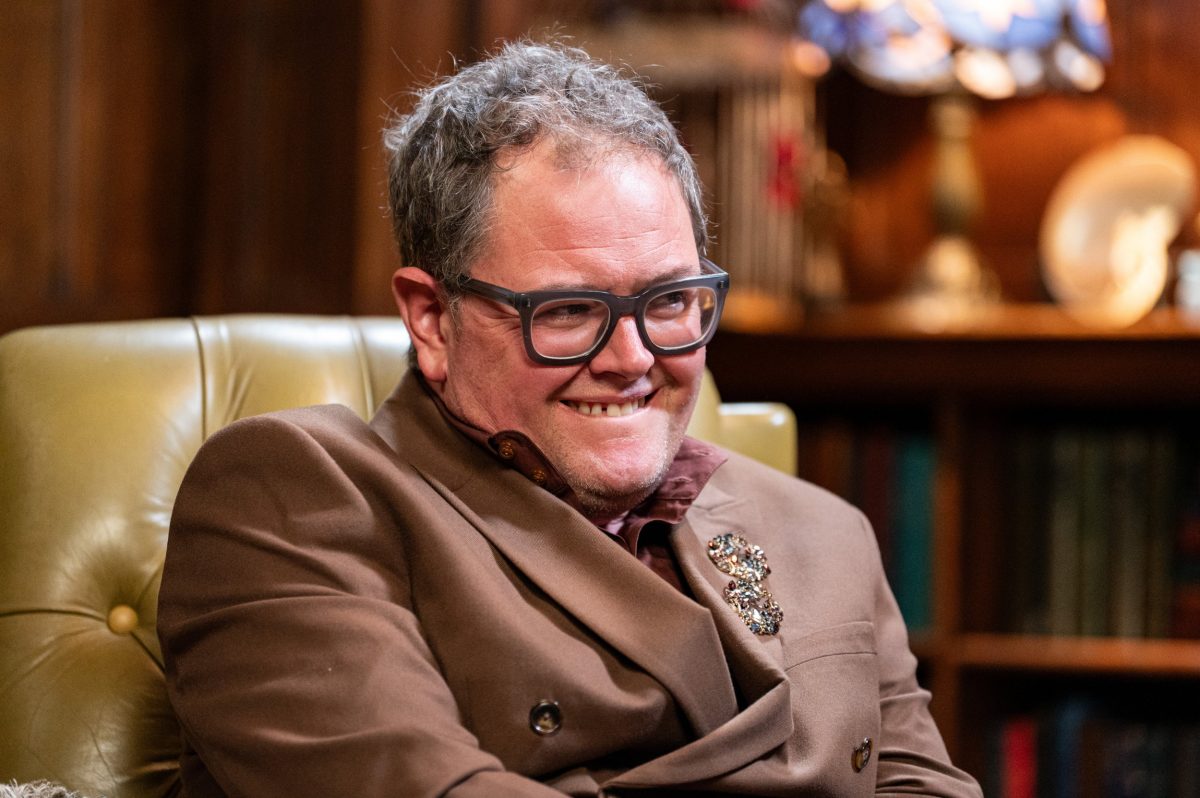
Alan Carr’s role as a Traitor has added a compelling layer, as characters navigate ethical quandaries amidst a backdrop of audience scrutiny. The risk of reputation loss looms large, reinforcing that for celebrities, participation in such games is fraught with peril, complicating the balance between personal integrity and the competitive spirit of reality television.