End of an era for Jim Hacker and Sir Humphrey
In a poignant conclusion to the BBC’s beloved sitcom, Jonathan Lynn reunites Jim Hacker and Sir Humphrey to confront the realities of aging and faded influence, reports BritPanorama.
Yes, Minister and its successor Yes, Prime Minister remain iconic examples of British comedy, often hailed as some of the best sitcoms ever produced. The characters, portrayed by Paul Eddington and Nigel Hawthorne, have left a lasting impression since their debut in the 1980s.
In this “final chapter,” Lynn, alongside co-director Michael Gyngell, updates audiences on the pair as they navigate their retirements. The tone is unexpectedly reflective, delving into themes of regret and connection.
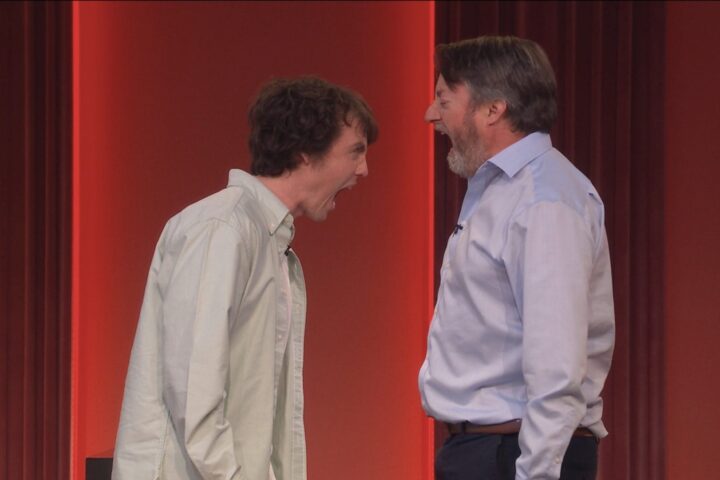
Set against the backdrop of Hacker College, Oxford, an aged Jim Hacker, played by Griff Rhys Jones, faces a mutiny among fellows and students over his controversial views, particularly regarding imperial history. His new care worker, Sophie (Stephanie Levi-John), embodies the very diversity that Hacker’s old-school attitudes often clash with, setting the stage for both comedy and critique.
In a moment of desperation, Hacker turns to his former rival, Sir Humphrey (Clive Francis), who finds himself in a care home due to familial neglect. Despite the bleak circumstances, Sir Humphrey’s sharp wit remains intact, as he delivers long, verbose speeches that are his hallmark.
The interplay between the two characters reflects a lifetime of political maneuvering that has left them estranged from their families. Hacker expresses a yearning for his past influence, stating, “I used to understand how things worked,” a line that resonates with the audience as it encapsulates the pathos of their situation.
The production culminates in an unexpected conclusion crafted by Sophie, reminding the audience that even the most formidable figures cannot escape the passage of time and its consequences.
Performances, particularly Rhys Jones’s physical comedy, add levity to serious themes, engaging the audience in both laughter and contemplation as the story unfolds.
Running until 9 May at the Apollo Theatre in London, this latest chapter symbolizes both an end and a reflection on an era of British political satire.