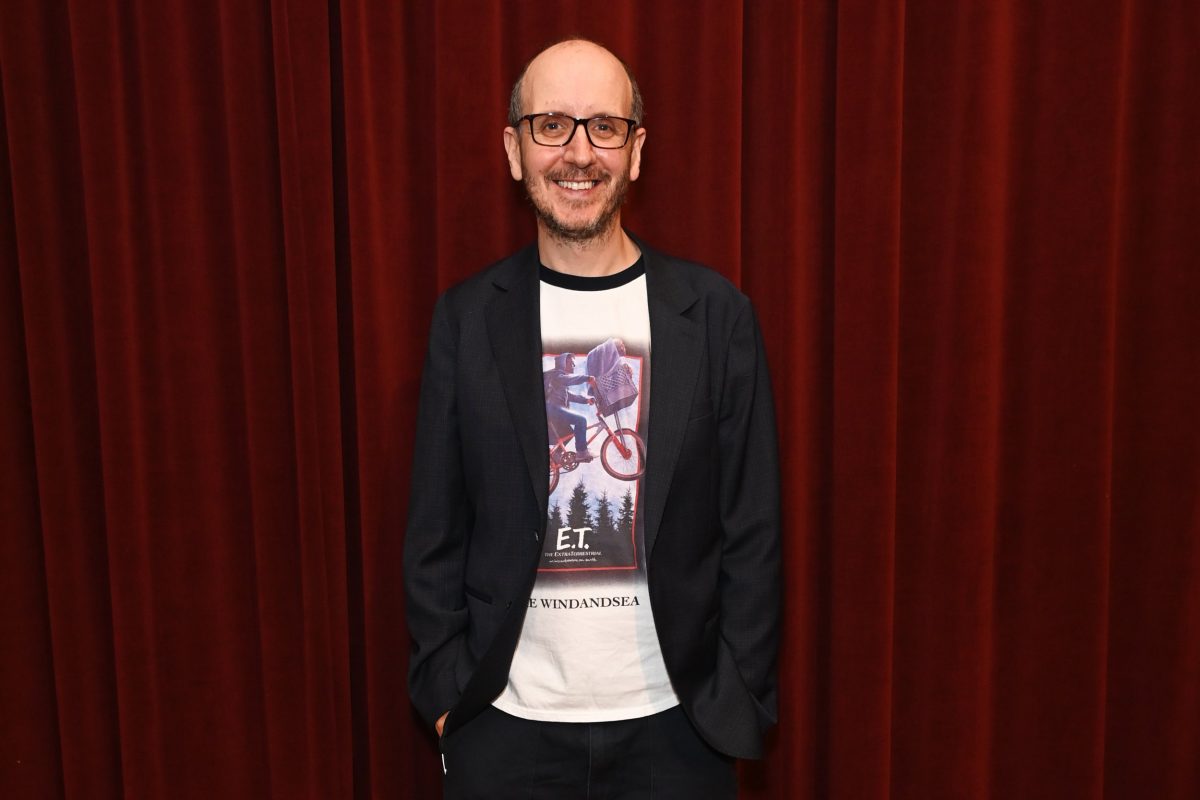
Jack Thorne discusses new adaptation of Lord of the Flies
Jack Thorne, co-creator of the anticipated adaptation of William Golding’s 1954 novel Lord of the Flies, reflects on the themes of cruelty and human behaviour in his work, emphasizing the urgent need to understand them, reports BritPanorama.
As his four-part series prepares to debut on the BBC, Thorne acknowledges the cultural discussions surrounding “toxic masculinity” and adolescent violence prompted by last year’s Netflix series Adolescence. These themes have heightened viewer awareness of the darker aspects of boyhood, potentially influencing perceptions of his adaptation.
Thorne clarifies that his adaptation of Lord of the Flies was developed concurrently with Adolescence. He recalls moving between filming locations in Pontefract and Malaysia, creating both dramas during the same summer. His deep-rooted connection with Golding’s work stems from childhood impressions, having been captivated by the narrative through a school copy taken from his mother’s teaching resources.
Thorne’s experience with Golding’s narrative of schoolboys stranded on a deserted island informs his creative vision. In this retelling, Thorne aims to shine a light on the underlying struggles of the characters rather than simplifying them to mere symbols of savagery. The story depicts the challenges faced by the boys, particularly in terms of maintaining collaborative society following a plane crash that kills all the adults aboard.
Reflecting on the character of Jack, Thorne recalls his childhood distaste for the character but now understands Jack as a complex figure shaped by profound emotional needs. He states, “Jack is an unloved child… his desperation to be adored.” This nuanced portrayal invites viewers to reconsider what drives cruelty and power struggles among youth.
Director Marc Munden shares the vision of capturing the subtle dynamics of childhood, using both the landscapes of the Malaysian filming locations and the boys’ interactions as metaphors for the themes presented in Golding’s narrative. The direction aims to balance moments of tension with scenes of genuine childhood play, a mix designed to reflect both the innocence and the deeper conflicts present in the story.
Thorne’s mission extends beyond adaptation; he seeks to challenge the common interpretation of the novel as solely depicting violent boyhood. He emphasizes that the narrative is fundamentally about understanding boys and their moral dilemmas, arguing that “the rest could be reached in all sorts of different ways.” This perspective aligns with his approach in Adolescence, which similarly addresses the societal factors contributing to youth violence, particularly examining a young boy’s journey through a landscape of misogyny and bullying.
As Thorne and Munden develop these complexities on-screen, they are also aware of the broader conversations shaped around their work. Criticism surrounding representation and character roles has emerged, notably on platforms like X, often oversimplifying their portrayals. Thorne expresses frustration at the reduction of multifaceted characters to binary roles, asserting that true storytelling captures the full spectrum of human experience.
The adaptation of Lord of the Flies engages with the historical implications of Golding’s narrative while situating it within contemporary discourse. This layered approach promises a thought-provoking exploration of morality and power, encouraging audiences to reflect on the deeper questions of childhood and societal expectations.
All episodes of Lord of the Flies will be available on BBC iPlayer starting 6am on Sunday, February 8, 2026, with BBC One airing the series weekly from 9pm that night.