A cultural milestone: Richard Lester’s A Hard Day’s Night
Richard Lester’s 1964 film A Hard Day’s Night serves as a vibrant encapsulation of British culture during a transformative social period. The film, featuring The Beatles, blends real-life frenzy with the band’s iconic music, highlighting Britain’s cultural revolution. This cinematic achievement not only reflects the zeitgeist of the 1960s but also set a significant precedent in the realm of pop filmmaking, reports BritPanorama.
The film opens with an exhilarating chase scene at Marylebone Station, where the Fab Four are pursued by hordes of fervent fans. Accompanied by infectious songs such as the title track and “And I Love Her,” it vividly portrays The Beatles’ whirlwind lifestyle amid the burgeoning Beatlemania. Shot in crisp black and white, A Hard Day’s Night has been lauded as not just one of the best music films but as a great film across genres, influencing countless others with its innovative techniques, including fast edits and jump cuts.
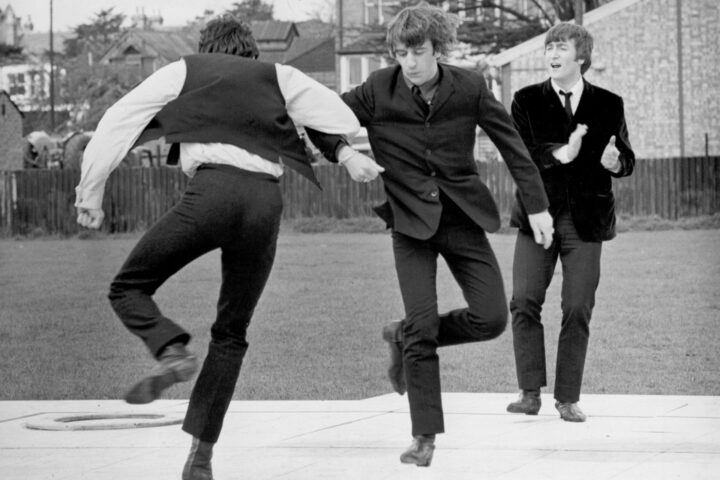
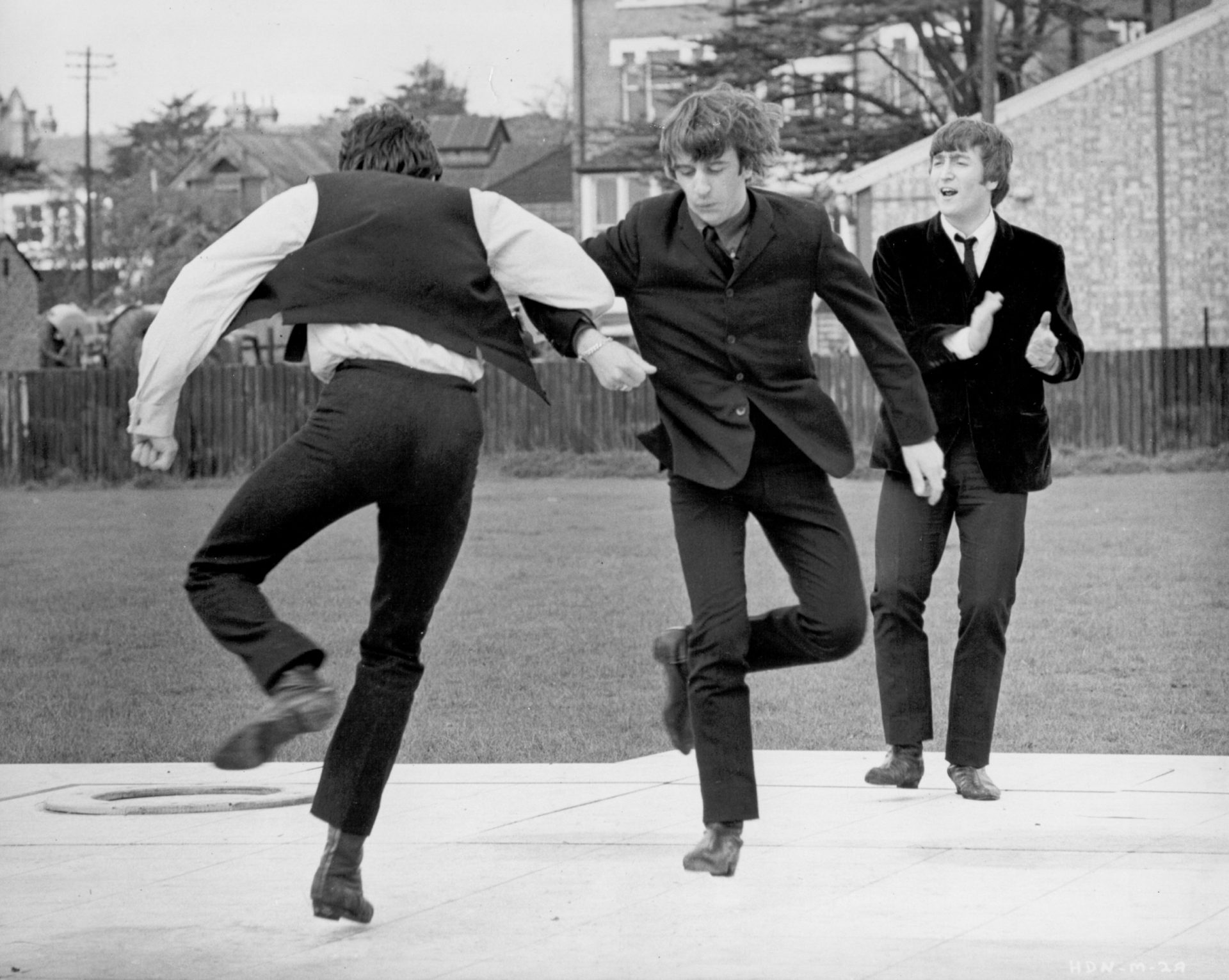
Lester, an American director who moved to Britain in the 1950s, combined influences from his advertising career and French New Wave cinema. This unique approach resulted in a film that captured not only the essence of The Beatles but also the contradictions within British society at the time. The delightful exuberance of scenes, such as The Beatles leaping in a field, contrasts sharply with the more conventional pop films that preceded it. This cinematic style would later inspire a new wave of music videos.
Despite already having multiple number-one hits in Britain, The Beatles’ production team faced significant constraints. The American backers perceived the film primarily as a promotional tool and were skeptical about the band’s longevity. Nevertheless, Lester assembled a talented crew, including scriptwriter Alun Owen, who infused the screenplay with the group’s distinct personalities and humor.
The film’s plot revolves around The Beatles’ journey to a television show, featuring McCartney’s grandfather, played by Wilfred Bramble, whose comedic character adds depth to the narrative. Scenes depicted in the film are rooted in reality, showcasing the tensions between the youthful band and older generations, as exemplified in their encounters with a stern city gentleman on a train.
The cinematography by Gilbert Taylor, who would go on to film classics like Star Wars, significantly contributed to the film’s acclaim. His ability to capture the raw energy of performances and audience reactions helped transform A Hard Day’s Night into a cultural phenomenon. The euphoric responses from fans during performances were captured through innovative filmmaking techniques, allowing the emotional intensity of the era to shine through.
Decades later, those involved in the filmmaking process reminisce fondly about the experience. Richard Lester and his team characterized the production as one of the happiest moments in their careers, while Paul McCartney reflected on the exuberance of their youth during the film’s making. Ultimately, A Hard Day’s Night remains a cinematic benchmark that continues to resonate with audiences, showcasing the joy and creativity of an unforgettable era.
A Hard Day’s Night by Samira Ahmed will be released by Bloomsbury on 3 April for £12.99. BFI Southbank in London will screen the film on 8 April.